8 Early Signs of Cervical Osteoarthritis You Should Recognize
This article highlights eight common early signs of cervical osteoarthritis, including headaches, neck pain, limited mobility, muscle spasms, and other symptoms. Recognizing these signs promptly can lead to early diagnosis and effective treatment, preventing further deterioration of neck health.
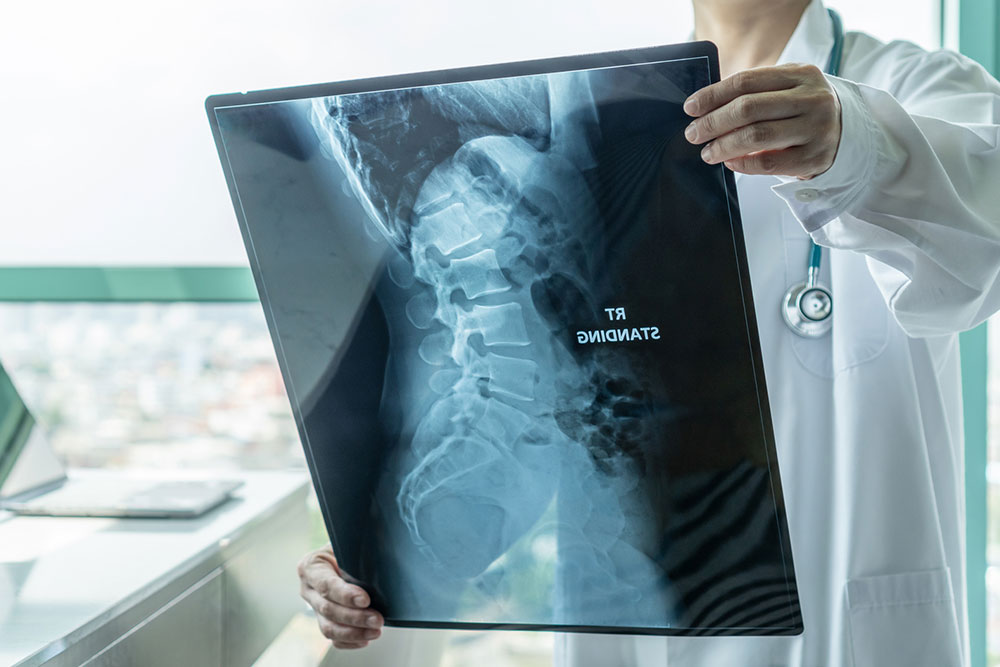
8 Early Symptoms Indicating Cervical Osteoarthritis
Cervical osteoarthritis is a common degenerative condition impacting neck joints and spinal discs. Studies show that over 85% of seniors exhibit symptoms related to this disorder. Activities that involve prolonged neck positioning, like working at a desk or driving, can trigger symptoms. Recognizing early signs is crucial for effective management and preventing worsening.
1. Headaches Many people experience frequent headaches starting at the base of the neck, often called cervicogenic headaches. These may begin mild and intensify, radiating upward, causing discomfort during movement and sometimes producing a dull ache around the eyes, affecting daily life.
Such headaches can severely diminish quality of life, starting as mild discomfort and progressing to sharp, throbbing pain. Neck movements often worsen the pain and can cause a dull sensation near the eyes.
2. Neck stiffness and pain Early signs include neck pain coupled with stiffness. The pain may range from dull to sharp, often worse after periods of inactivity or in the morning. As the condition progresses, pain may also extend to shoulders and nearby areas. Gentle stretching and warm compresses can help, but persistent pain should be examined by a healthcare professional.
3. Limited neck mobility Degeneration of neck discs or bone spur formation can lead to restricted movement. Inflammation and pain make turning or tilting the head difficult, and sudden movements may increase discomfort and headaches. This limitation can interfere with daily activities and warrants medical attention to prevent further issues.
4. Muscle spasms and weakness Early involvement may include involuntary muscle contractions or spasms, which are painful and restrict movement. Over time, muscles may weaken, making it hard to lift objects or perform normal tasks. Severe spasms may require support devices like a neck brace, emphasizing the importance of early diagnosis and treatment.
5. Grinding or popping sounds A subtle sign is hearing grinding or popping noises during neck movements, caused by rough joint surfaces. These sounds are typically harmless but may become noticeable with certain movements. Monitoring these signs is recommended, though they usually don't indicate serious problems.
6. Numbness and tingling sensations Compressed nerves can cause numbness or tingling sensations, often described as 'pins and needles,' in arms and hands. This can decrease grip strength and fine motor skills, making tasks like writing difficult. Persistent numbness should be checked by a healthcare provider for nerve impingement.
7. Morning stiffness Stiffness upon waking is common, resulting from overnight inactivity, and can signal cervical issues. Gentle stretching, warm showers, and maintaining good posture can help. Regular activity and ergonomic sleep setups can also reduce stiffness.
8. Difficulty swallowing In rare cases, cervical degeneration may interfere with swallowing, known as dysphagia. Symptoms include feeling food is stuck, coughing, or choking during meals, often accompanied by neck pain and headaches. Early diagnosis is vital for appropriate management.