Guide to Skin Bumps: FAQs on Managing Keratosis Effectively
Learn about keratosis, its symptoms, diagnosis, and treatment options. This comprehensive guide helps you understand how to effectively manage these benign skin growths for improved skin health and aesthetics.
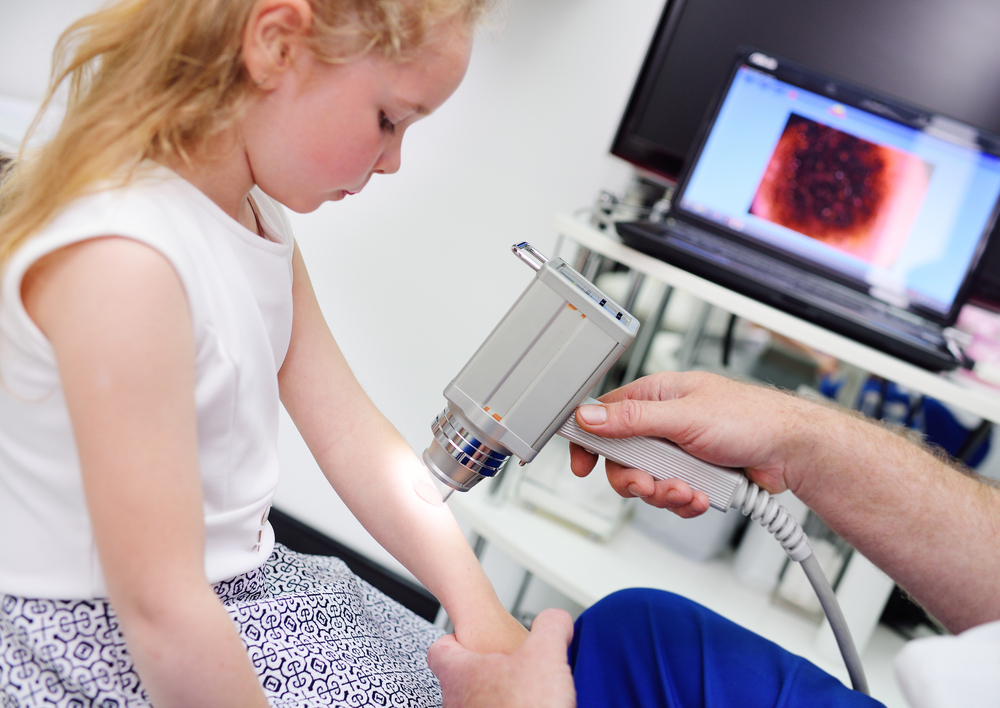
Guide to Skin Bumps: FAQs on Managing Keratosis Effectively
Common Inquiries About Treating Keratosis
As part of the aging process, skin undergoes various changes, including the development of new growths. One common condition is keratosis, predominantly seen in older adults. Although these skin lesions may appear concerning, they are typically benign. Factors such as genetics and sun exposure contribute to their formation. Many individuals seek removal for cosmetic improvements or irritation relief. It is important to differentiate keratosis from other skin issues and understand available treatment options for safe removal.
Understanding how keratosis is diagnosed and managed empowers individuals to make informed skin health decisions.
Keratosis commonly occurs in seniors as rough, wart-like patches, often on the face, chest, or back. While benign, many opt for removal due to aesthetic reasons or discomfort. Correct diagnosis by a healthcare provider is crucial, usually involving visual inspection or biopsy. Treatments such as cryotherapy, curettage, electrocautery, or laser removal are frequently used. Symptoms include small, scaly patches that may itch or feel irritated. Some home remedies like apple cider vinegar or vitamin D supplements are also tried, but consulting a doctor before using these is recommended.
Accurate diagnosis and choosing appropriate treatment methods are key to effectively managing keratosis. Educating yourself about your options can lead to healthier, clearer skin.