Surprising Insights About the Liver You Should Know
Discover fascinating facts about the liver, including its regenerative ability, vital detoxification functions, and historical significance. Learn how this essential organ supports overall health and how it has been valued across civilizations. From its role in blood formation during fetal development to its presence in all vertebrates, the liver's importance is immense and multifaceted.
Surprising Insights About the Liver You Should Know
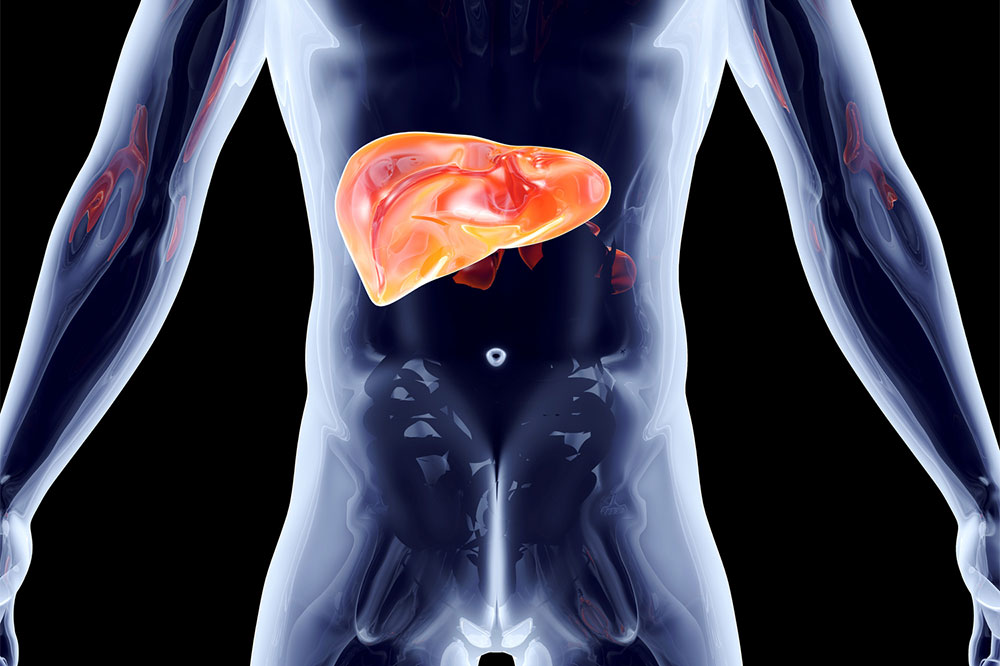
The liver, the body's second-largest organ, plays a crucial role in maintaining health. It supports metabolism, fat processing, and weight regulation. Situated above the stomach beneath the diaphragm, about the size of a football, it performs many functions, some well-known, others fascinatingly hidden. Here are some intriguing facts about this vital organ:
Exceptional regenerative power
The liver can regenerate after significant injury, requiring only 25% of its tissue to restore full function, thanks to evolutionary adaptations that promote healing.
Primary detox organ
The liver filters toxins from everything we ingest, breaking down harmful substances with enzymes and oxygen. It then neutralizes residual toxins by combining them with amino acids, with waste eliminated through urine or bile.
Performs numerous vital roles
The liver is one of the body's most complex organs, responsible for hundreds of functions, including:
Synthesizing essential plasma proteins
Processing hemoglobin to release iron
Removing medications and toxins from the blood
Converting ammonia into urea for excretion
Historically valued
Ancient civilizations, like the Greeks, believed the liver was the seat of pleasure and emotion, calling it “hepar,” meaning joy. Mesopotamians also attributed emotional importance to this organ.
Key in blood formation
During fetal development, the liver and spleen serve as primary sites for producing blood cells and platelets, highlighting its role in hematopoiesis.
Early transplants faced challenges
The first human liver transplant attempts in 1963 by Thomas Starzl failed, with patients surviving only a few weeks, following initial successful studies on dogs in 1958.
Liver health influences brain function
A healthy liver effectively clears toxins, safeguarding brain health. Liver failure can cause hepatic encephalopathy, potentially leading to coma.
Universal presence in vertebrates
All vertebrates possess livers. For example, in basking sharks, the liver can comprise up to 25% of the body weight, illustrating its significance across species.