Mastering Blood Sugar Trends and Tracking Techniques
This article explores the importance of understanding blood glucose levels, how to monitor fluctuations through charts, and the significance of regular tracking. It emphasizes maintaining healthy blood sugar ranges for overall health, especially for diabetics, through proper lifestyle choices, medication, and consistent monitoring to prevent complications.
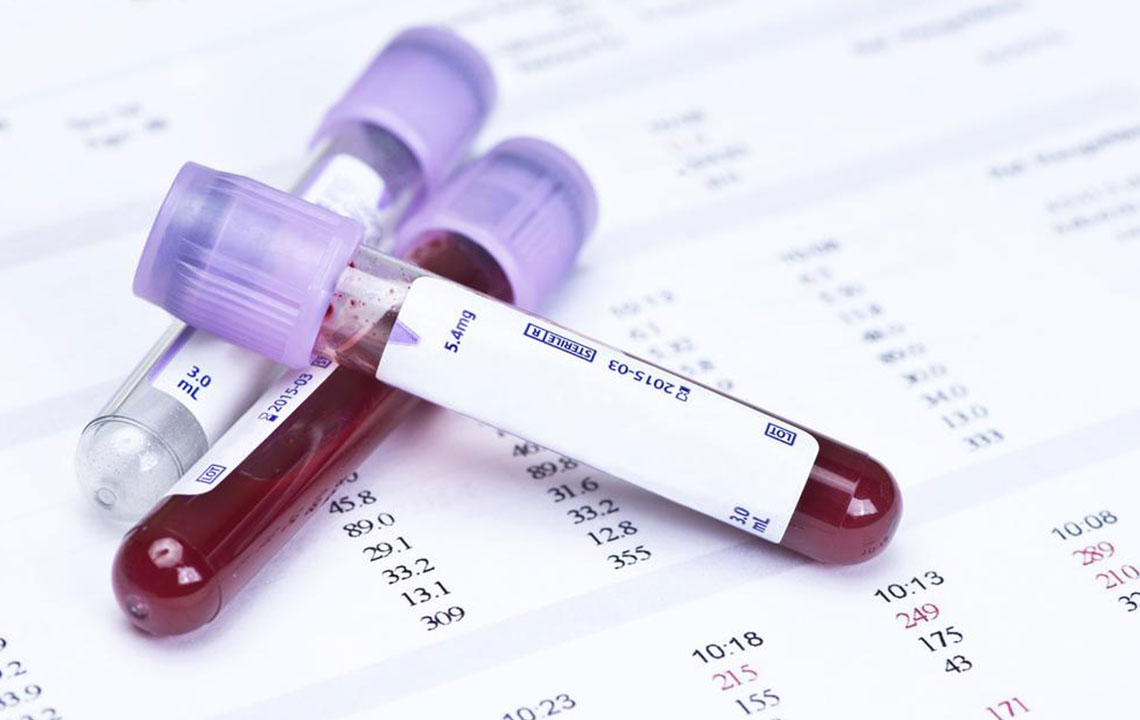
Mastering Blood Sugar Trends and Tracking Techniques
Blood glucose indicates the concentration of sugar in the bloodstream at any moment. This energy source is derived from food digestion and essential for bodily functions. The body meticulously regulates blood sugar to prevent dangerous fluctuations. It is important to distinguish that blood sugar refers to glucose specifically, not other dietary sugars like sucrose.
Throughout the day, blood glucose levels naturally vary—being lowest before breakfast and rising after meals before stabilizing. Healthy individuals typically have fasting blood sugar below 99 mg/dl, while diabetics often experience greater variability. The target ranges are generally below 130 mg/dl before meals and under 180 mg/dl after eating.
A blood sugar chart monitors fluctuations across the day, aiding in managing diabetes and other metabolic conditions. Keeping glucose levels within healthy limits is vital for overall wellness, achievable through proper diet, medication, and exercise. These charts display the circadian rhythm of glucose, peaking after meals and dipping during fasting periods. Regular tracking helps identify anomalies early, reducing risks to organs such as the heart, eyes, and kidneys.
The Need for Ongoing Glucose Monitoring
Consistent recording of blood sugar levels is essential for everyone, especially for diabetics, as it impacts overall health. Sudden spikes or drops can be a sign of underlying issues, potentially harming vital organs. For those with diabetes, detailed logs inform treatment plans, aiming for stable levels and fewer complications. Using reliable devices, under medical supervision, ensures precise readings for effective glucose management. A healthy lifestyle—including balanced diet, physical activity, sufficient rest, and avoiding smoking or excessive alcohol—supports optimal blood sugar control. Managing stress is also critical for maintaining healthy levels.