Essential Health Alerts Every Cat Owner Should Be Aware Of
Learn about the six most common health concerns in cats, including respiratory illnesses, diabetes, digestive issues, parasites, FeLV, and urinary problems. Early detection and veterinary care are key to ensuring your feline friend's health and happiness.
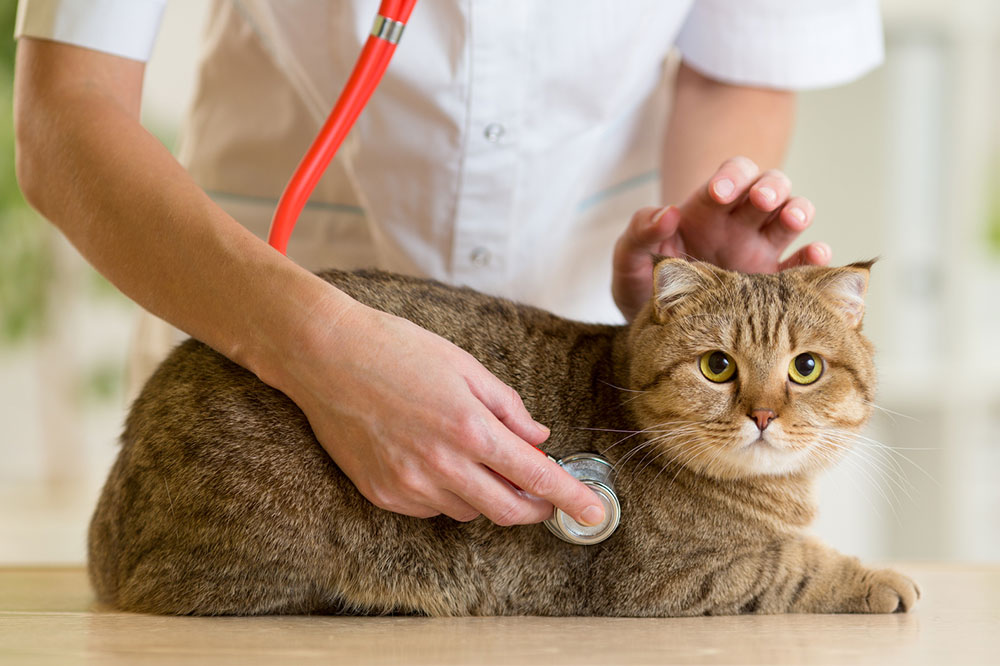
Owning a cat brings joy, but it also requires attentive health care. Cats are prone to several common ailments that can affect their well-being. Early recognition of these issues enables prompt intervention and proper treatment. Here are six key health concerns for cats:
Respiratory Illnesses
These affect the nose and throat, often spreading through shared bowls, sneezing, or grooming. Infected cats can carry the virus lifelong. Keeping cats indoors and avoiding sick animals helps prevent these infections.
Diabetes Mellitus
This condition stems from inadequate insulin, leading to high blood sugar. If untreated, it can result in severe complications. Management usually involves insulin injections and diet control.
Digestive Problems
Issues like diarrhea, vomiting, and constipation can be caused by food allergies, parasites, or sensitive intestines. Changes in appetite or waste elimination should prompt a vet visit.
Worm Infections
Internal parasites such as tapeworms and hookworms cause symptoms like vomiting and anemia. Prevent exposure by avoiding contact with infected animals or rodents, and consult your vet if worms are suspected.
Feline Leukemia Virus (FeLV)
This virus compromises the immune system and spreads via bodily fluids or from mother to kitten. Testing new or unwell cats regularly is recommended to catch infections early.
Urinary Tract Issues
Conditions like FLUTD cause pain and difficulty urinating, especially in male cats. Symptoms include straining, blood in urine, and discomfort. Urgent vet attention is vital for effective treatment, which may include medication.
Disclaimer: Our articles offer helpful insights but do not replace professional veterinary advice. Consult your veterinarian for diagnosis and tailored treatment options. Our site may not include all services or products available.