Understanding Kidney Dialysis: Essential Facts and Management
This article offers an in-depth overview of kidney dialysis, explaining its role in managing end-stage renal disease, the two primary types, treatment procedures, and potential risks. It highlights the importance of early detection and treatment options for kidney health, helping patients and caregivers understand vital aspects of renal care and disease management.
Understanding Kidney Dialysis: Essential Facts and Management
The human kidneys filter waste from the blood, control blood pressure, regulate sodium and potassium levels, maintain acid-base balance, and produce hormones that stimulate red blood cell production. When these functions decline, dialysis acts as an alternative to support the body's needs.
Chronic kidney disease (CKD) progresses through stages 1 to 5. Early stages (1-3) show mild impairment, while stage 5, known as end-stage renal disease, involves severe loss of function often requiring dialysis or transplantation.
The final stage, stage 5, occurs when kidney function drops below 15% (GFR under 15), making dialysis indispensable. Here are five key aspects of kidney dialysis:
Dialysis becomes necessary once 85-90% of kidney function is lost, which aligns with stage 5 CKD. Kidney function is evaluated via the glomerular filtration rate (GFR), calculated from blood tests considering factors like age, gender, and body size.
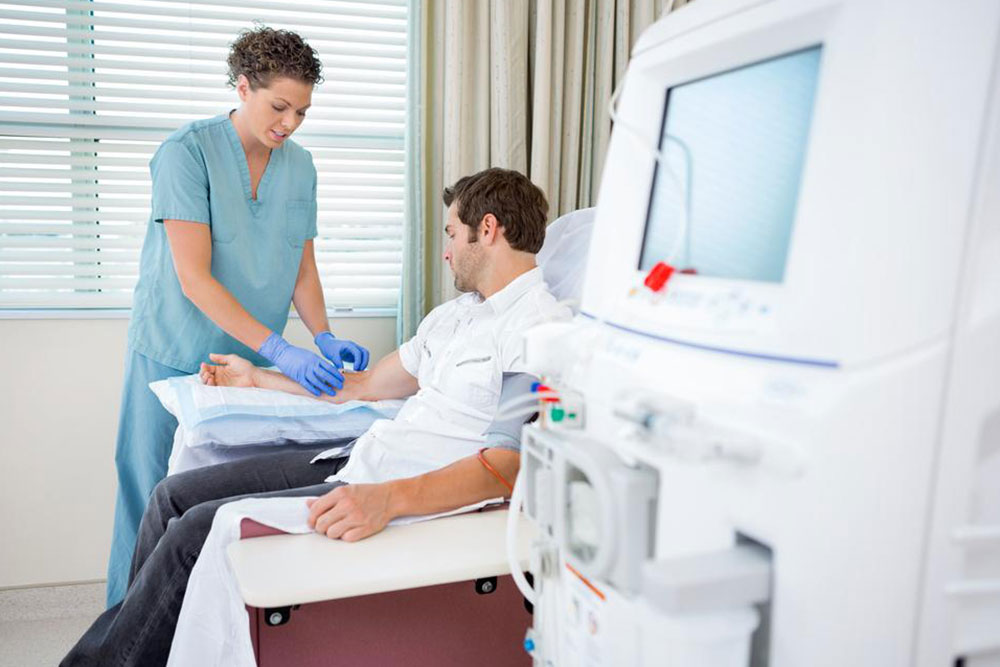
There are two main types of dialysis: hemodialysis and peritoneal dialysis. Hemodialysis involves an external machine that filters blood after creating vascular access through surgery—connecting an artery to a vein to form a fistula. The blood is circulated through the machine, cleaned, and returned. Peritoneal dialysis uses a catheter to introduce a specialized fluid into the abdominal cavity to absorb waste and excess fluids from the blood, which is then drained out.
Hemodialysis sessions typically last three to four hours, performed three times weekly. Peritoneal dialysis involves staying connected to the dialysate in the abdomen for four to five hours, often daily or multiple times, and can be done at clinics or home.
A potential complication of long-term dialysis is the formation of kidney cysts, which may lead to symptoms like fever, back pain, blood in urine, or tumors. These cysts are more commonly associated with chronic kidney disease than with dialysis itself.