Items You Should Avoid Vacuuming to Protect Your Cleaner
Learn about common household items to avoid vacuuming to prevent damage to your vacuum cleaner. The article highlights key objects like coffee grounds, wet foods, sharp debris, hair, and electrical cords. Proper handling ensures your vacuum lasts longer and performs better. Follow our simple tips to keep your cleaning device in top shape and avoid unnecessary repairs.
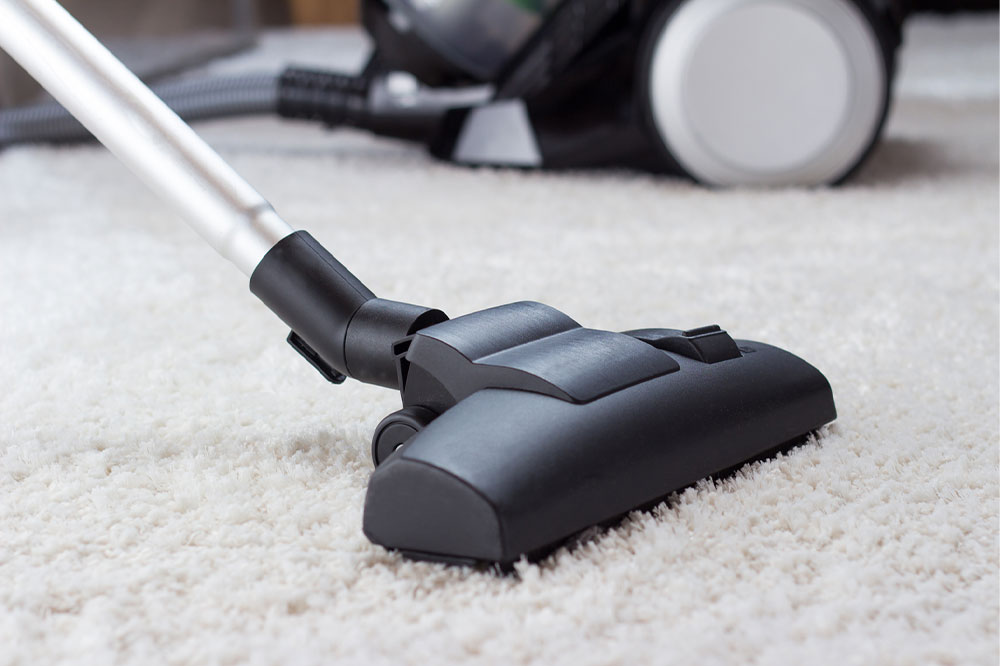
Vacuum cleaners are essential tools for maintaining a tidy home, perfect for cleaning carpets, floors, and upholstery. However, certain items can harm your device or reduce its lifespan. Knowing what to avoid vacuuming helps keep your vacuum functioning optimally and prevents costly repairs.
Coffee Grounds
Coffee enthusiasts know how tough it is to remove grounds from machines, and these should not go into your vacuum. Vacuuming dry or wet coffee grounds can cause blockages, motor damage, or mold buildup. Instead, sweep dry grounds with a dustpan or wipe wet ones with a damp cloth, and consider composting used coffee grounds.
Moist Foods
Items like salads or baked beans contain moisture that can clog vents, harm the motor, and create odors. Dry foods such as salt and sugar are safe to vacuum. For wet spills, it's better to wipe them up with a cloth rather than vacuum them.
Small Objects and Fragile Debris
Coins, glass shards, or large debris can puncture the vacuum bag or damage internal parts. Handle sharp items carefully using gloves, and use a piece of bread to safely pick up tiny shards to prevent damage and maintain vacuum performance.
Hair Clumps
Hair clusters can cause clogs over time, reducing suction power. Instead of vacuuming hair, sweep or pick it up by hand to keep your vacuum operating smoothly.
Electrical Cords
Running over electrical cords can damage insulation, posing safety risks. Always clear cords from the vacuum path before starting to clean.
Disclaimer:
This article provides general guidelines for vacuum use. Results may vary, and users should exercise caution. We are not responsible for any issues arising from these recommendations.