Proven Approaches to Controlling High Blood Pressure
Learn effective strategies to control high blood pressure naturally. This guide covers lifestyle changes such as maintaining a healthy weight, engaging in regular exercise, adopting a nutritious diet, reducing salt and alcohol intake, quitting smoking, managing caffeine, and stress reduction. Regular monitoring and healthcare consultation are essential for long-term blood pressure management, helping prevent serious health complications.
Proven Approaches to Controlling High Blood Pressure
High blood pressure, or hypertension, is a long-term health condition where arterial pressure remains elevated. Often showing no symptoms, it increases the risk of heart disease and stroke if untreated. Around 90% of cases are linked to genetics or lifestyle factors, with the remaining caused by other health issues.
Normal blood pressure is approximately 120/80 mmHg. Readings above 140/90 mmHg are classified as hypertension. Making healthy lifestyle adjustments can effectively manage blood pressure levels without medication.
Achieve and Maintain a Healthy Body Weight
Carrying excess weight can elevate blood pressure and worsen sleep apnea. Losing just 10 pounds can lead to significant blood pressure reduction.
Increase Physical Activity
Regular exercises like walking, cycling, or jogging can lower blood pressure by up to 9 mm Hg. Consistent activity is essential, as stopping can cause levels to rise again. Exercise is particularly effective for those with mild hypertension to prevent worsening.
Eating a balanced diet supports blood pressure control. The DASH diet—rich in fruits, vegetables, whole grains, and low-fat dairy—can decrease blood pressure by roughly 14 mm Hg. Natural remedies such as hibiscus tea, coconut water, garlic, melons, and cod liver oil can also boost heart health.
Reduce Salt Intake
Cutting down on salt can lower blood pressure by about 9 mm Hg, with responses varying based on ethnicity.
Limit Alcohol Consumption
Light drinking may slightly lower blood pressure, but excessive alcohol intake can have the opposite effect and increase hypertension risk.
Quit Smoking
Smoking causes immediate spikes in blood pressure. Stopping reduces health risks at any age.
Moderate Caffeine Consumption
High caffeine intake might elevate blood pressure by around 10 mm Hg in non-regular drinkers. Habitual coffee drinkers could be more susceptible to hypertension.
Manage Stress Effectively
Chronic stress contributes to high blood pressure. Practices like yoga, meditation, and regular exercise can help lower stress levels.
Regular Blood Pressure Monitoring
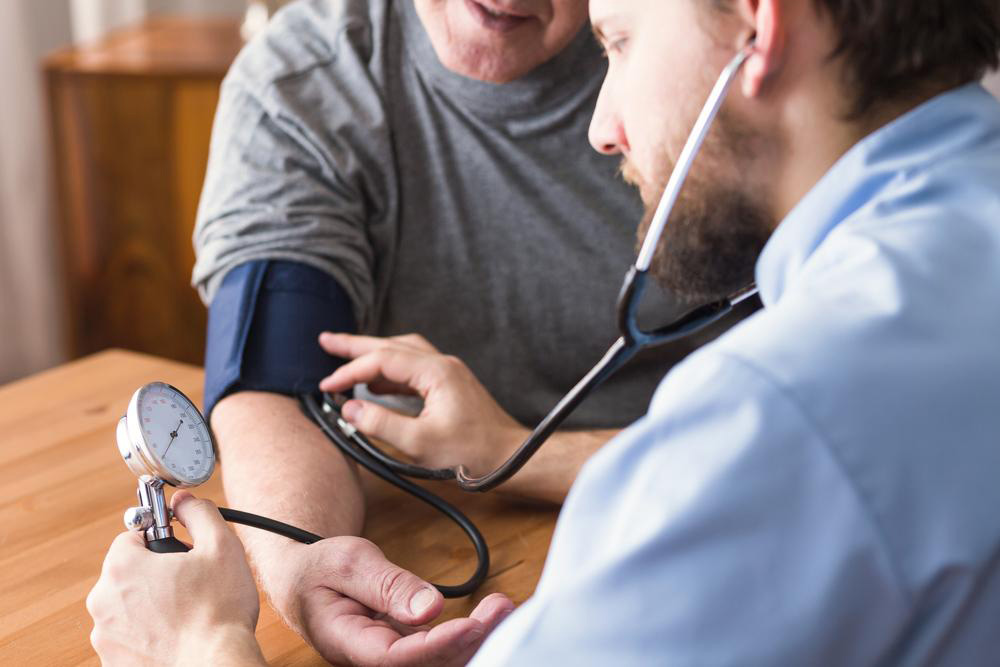
Tracking blood pressure at home and consulting healthcare providers ensures effective management through lifestyle changes.