Effective Methods to Prevent Shingles Outbreaks
Learn crucial strategies to prevent shingles outbreaks, including hygiene practices, avoiding contact with blisters, and boosting immunity. These measures help reduce transmission risks and protect vulnerable populations. Stay informed to safeguard your health effectively.
Effective Methods to Prevent Shingles Outbreaks
Shingles results from the reactivation of the varicella-zoster virus, leading to painful blisters and rashes after a chickenpox infection. The condition mainly spreads through direct contact with the blisters' fluid. Proper management and preventive measures are key to minimizing transmission and complications.
Transmission Details
Shingles spreads via contact with blister fluid, not through saliva or respiratory droplets. Early symptoms often include itching and numbness localized on one side of the body. Implementing safety measures is vital to prevent virus spread.
Contagious Periods
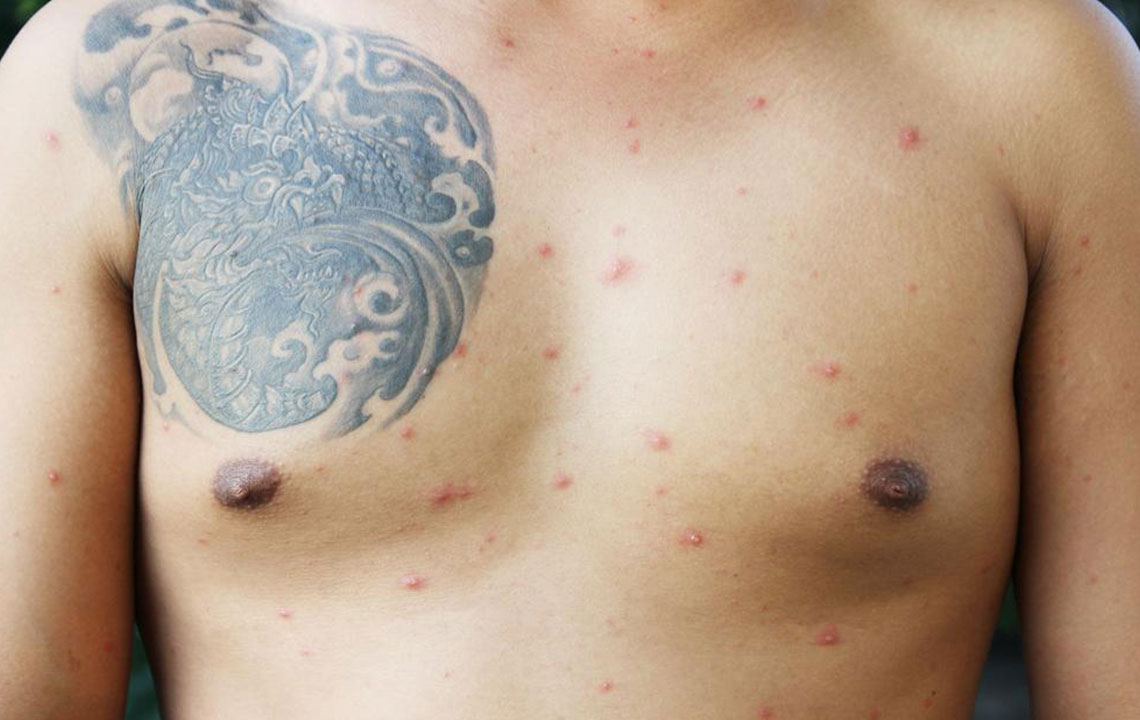
Blisters filled with fluid appear within 3-4 days, often with redness around them. These sores can last for 5-6 days, during which the infected person remains contagious. Contact with the rash can transmit the virus, risking chickenpox in previously unexposed individuals.
Preventive Actions
Reduce exposure - Cover and disinfect shingles blisters to prevent virus transmission.
Practice good hygiene - Regular handwashing and sanitization lower contamination chances.
Boost immunity - Those with weakened immune systems, such as individuals with HIV or undergoing treatments, should take extra precautions.
Avoid contact with pregnant women - The virus can cause serious health issues like pneumonia; infected persons should be isolated and seek medical guidance.
While treatments help manage symptoms, complete elimination of shingles is not possible. Following these preventive steps can significantly lower your infection risk.