Complete Guide to Blood Glucose Monitoring for Diabetics
This comprehensive guide emphasizes the importance of blood glucose monitoring for diabetics, detailing testing methods, optimal times, target ranges, and management tips. Regular self-testing helps patients control blood sugar levels and prevent complications. The article provides practical advice on when and how to test, ensuring effective disease management. By understanding these key aspects, diabetics can improve their health outcomes and maintain a balanced lifestyle.
Complete Guide to Blood Glucose Monitoring for Diabetics
Consistent blood sugar checks are essential for those with diabetes, especially during critical phases. Self-monitoring enables personalized treatment adjustments and improves disease management.
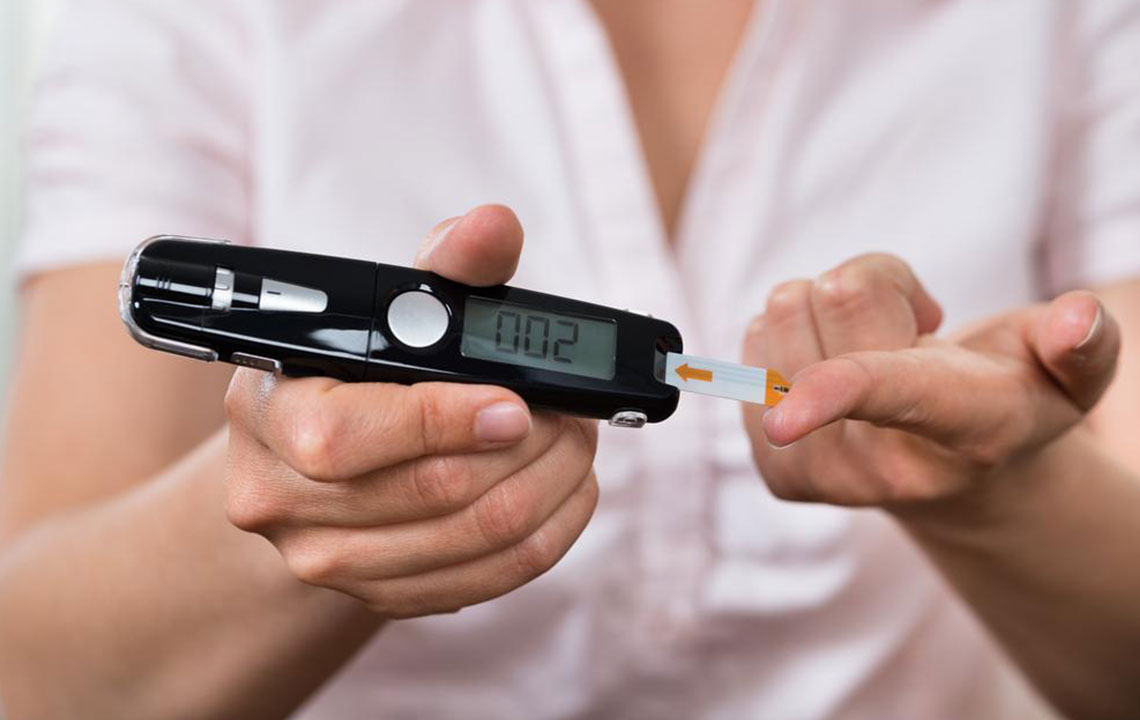
This process can be easily performed at home using a portable glucose meter that measures blood glucose levels from a small blood sample.
Why Monitoring Blood Glucose is Important
Frequent testing benefits diabetics with fluctuating blood sugar levels by offering valuable insights into how treatments, diet, and activity affect their condition.
This practice helps assess whether treatment goals are being achieved, identifies impacts of lifestyle choices and illnesses on blood sugar, and detects high or low blood glucose episodes for prompt intervention.
Best Times to Check Blood Sugar
Coordinate with your healthcare provider to establish suitable testing times.
This depends on diabetes type and management plan.
Type 1 Diabetes
Patients may need to check 4-8 times daily, including before meals, after exercise, and during nighttime. During illness, testing frequency may increase.
Type 2 Diabetes
People on insulin typically test 2-3 times daily, often before meals or after dinner, based on insulin doses. If managed through lifestyle, daily testing might not be necessary.
Healthy Blood Glucose Targets
The ideal range varies with age and health status:
80-120 mg/dL for younger, healthy adults.
100-140 mg/dL for seniors or individuals with comorbidities like heart or kidney issues.
Levels outside these ranges require medical attention to prevent complications.
How to Test Blood Glucose
People with critical levels should learn proper testing techniques to avoid emergencies.
A glucose meter uses a small blood sample, typically from the fingertip. Wash and dry hands, insert a test strip into the device, prick the finger with a lancet, and gently squeeze to obtain a blood drop. Apply it to the strip, and the meter displays the result quickly.
If readings are high, seek prompt medical care. Regular testing with a reliable device and consulting your healthcare provider ensures proper management.
Effective blood sugar control is crucial for overall health. Regular testing and professional advice help diabetics manage their condition efficiently.