Bottle Water vs. Tap Water: Which Is Safer and More Environmentally Friendly?
This article compares bottled and tap water, highlighting safety, health, cost, and environmental impacts. It explains regulations, benefits, and drawbacks of each source, helping consumers make informed, eco-conscious choices about their drinking water. The piece emphasizes tap water's affordability and sustainability, while acknowledging situations where bottled water may be advisable for health reasons.
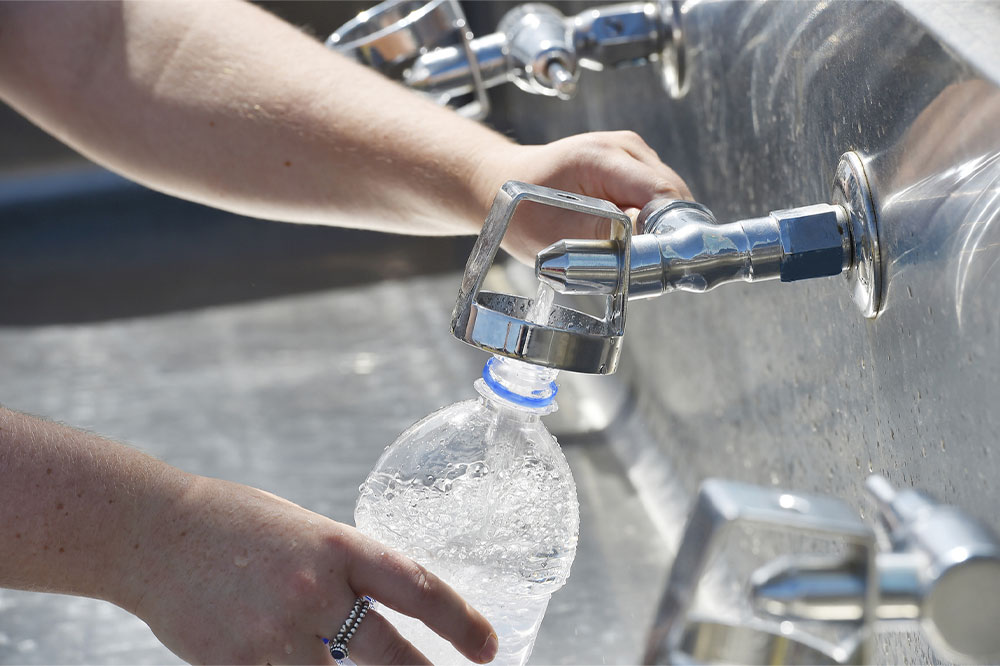
Bottle Water vs. Tap Water: Which Is Safer and More Eco-Friendly?
On average, Americans consume nearly 30 gallons of bottled water each year. The safety standards for both bottled and tap water are regulated by government agencies, with the FDA overseeing bottled water and the EPA responsible for tap water.
Understanding these differences can help consumers save money and make healthier choices.
Comparing Bottled and Tap Water: Which Option Is Better?
Tap Water
EPA reports that around 92% of public tap water, drawn from lakes, rivers, reservoirs, or wells, is considered safe after treatment.
The CDC confirms that treated tap water is generally safe. Nevertheless, some local water supplies have experienced contamination, such as Pittsburgh's 2017 boil alert due to parasitic contamination.
What are the benefits and drawbacks of using tap water?
Advantages
When properly treated, tap water and bottled water taste similar, though pipe materials may influence flavor.
Cost-effective: Tap water is inexpensive and widely available, often free in restaurants and hotels with refillable bottles.
Environmental Impact: Using tap water reduces plastic waste and energy consumption, especially when using reusable bottles.
Regulatory Oversight: EPA enforces strict standards, making municipal tap water one of the safest sources globally.
Disadvantages
Some tap waters may contain chemicals like chlorine or fluorides, which might be undesirable for certain individuals.
Bottled Water
Regulated primarily by the FDA, bottled water comes from springs, artesian wells, or municipal supplies, undergoing purification before packaging.
Pros
Packaged water often lacks chlorine and added fluorides, sometimes containing beneficial minerals and distinct flavors. It’s convenient for travel or outdoor use and widely available.
Cons
Bottled water costs about 1000 times more than tap water—roughly $9.47 per gallon vs. $0.05. Regulations are less strict, and concerns about microplastics affecting health, including inflammation or organ impact, exist.
Environmental Issues
The production, transport, and disposal of plastic bottles contribute significantly to pollution and energy use, raising sustainability concerns.
Choosing the Better Option
Both sources are safe when properly managed. However, tap water is generally more affordable and eco-friendly. Using home filters can enhance taste and safety. Check local water quality; if contamination risks are high, bottled water may be necessary. Certain health conditions might also warrant the use of bottled water, as advised by healthcare providers.