Comprehensive Guide to Back Pain: Causes, Symptoms, and Treatment Strategies
This comprehensive article explores the causes, symptoms, and management options for back pain, highlighting common issues like muscle strain, herniated discs, and degenerative conditions. It offers guidance on recognizing symptoms and includes medical and alternative treatment strategies, emphasizing the importance of professional healthcare advice for effective recovery and prevention.
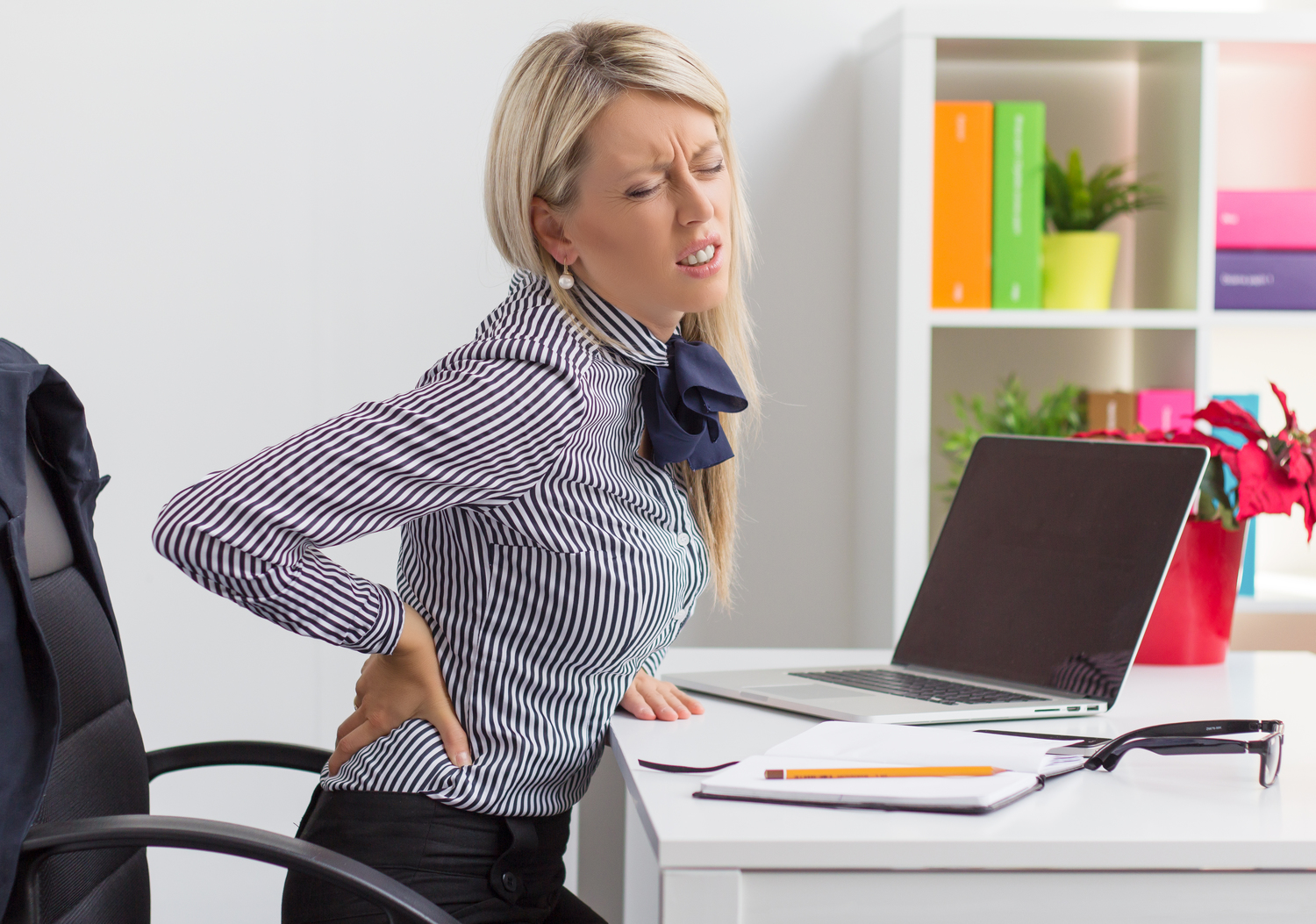
Comprehensive Guide to Back Pain: Causes, Symptoms, and Treatment Strategies
Back pain is often an indicator of underlying health concerns rather than a standalone issue. It can affect the lower, mid, or upper back, with sensations ranging from dull discomfort to sharp agony. Many adults experience sudden episodes of back pain, with approximately 80% facing this at some point. The back's intricate structure, including the spine and nerves, plays a significant role in the development of discomfort when compromised.
Common causes include strained muscles, ligaments, or tissues. Persistent back problems may develop from issues like herniated discs, which press on nerves and cause inflammation. Age-related degeneration of joints and discs can also lead to long-term pain, especially among older populations.
Various factors contribute to back pain, including overstretched muscles and ligament injuries. Chronic conditions could stem from herniated discs or osteoarthritis affecting facet joints. Structural anomalies like spinal deformities and spinal stenosis may also cause ongoing pain. Causes such as vertebral slippage (spondylolisthesis) or autoimmune disorders like rheumatoid arthritis are also possible.
Recognizing Symptoms of Back Pain
Signs of back pain include:
Muscle ache radiating to limbs or arms
Difficulty with daily activities like bending or walking
Sharp or shooting sensations in the back
Severe pain coupled with bladder or bowel control issues in some cases
Managing Back Pain Effectively
Medications such as muscle relaxants, painkillers, or epidural injections can help reduce discomfort.
Support devices like braces can offer relief and aid healing.
Non-medical approaches such as massages and specific exercises improve circulation and provide nutrients necessary for recovery.
In extreme cases, surgical procedures may be required to correct structural problems and regain function.
Disclaimer:
This content provides general health information. It is based on reputable sources but is not a substitute for professional medical advice. Always seek guidance from healthcare experts for diagnosis and treatment. The website takes no responsibility for variations or omissions in medical data or alternative treatment options found elsewhere.