Top Tips for Reducing Springtime Pollen Allergies
Discover effective strategies to manage and reduce springtime pollen allergies. Learn lifestyle tips like diet adjustments, cleaning routines, and outdoor precautions to minimize symptoms and improve comfort during high pollen seasons.
Top Tips for Reducing Springtime Pollen Allergies
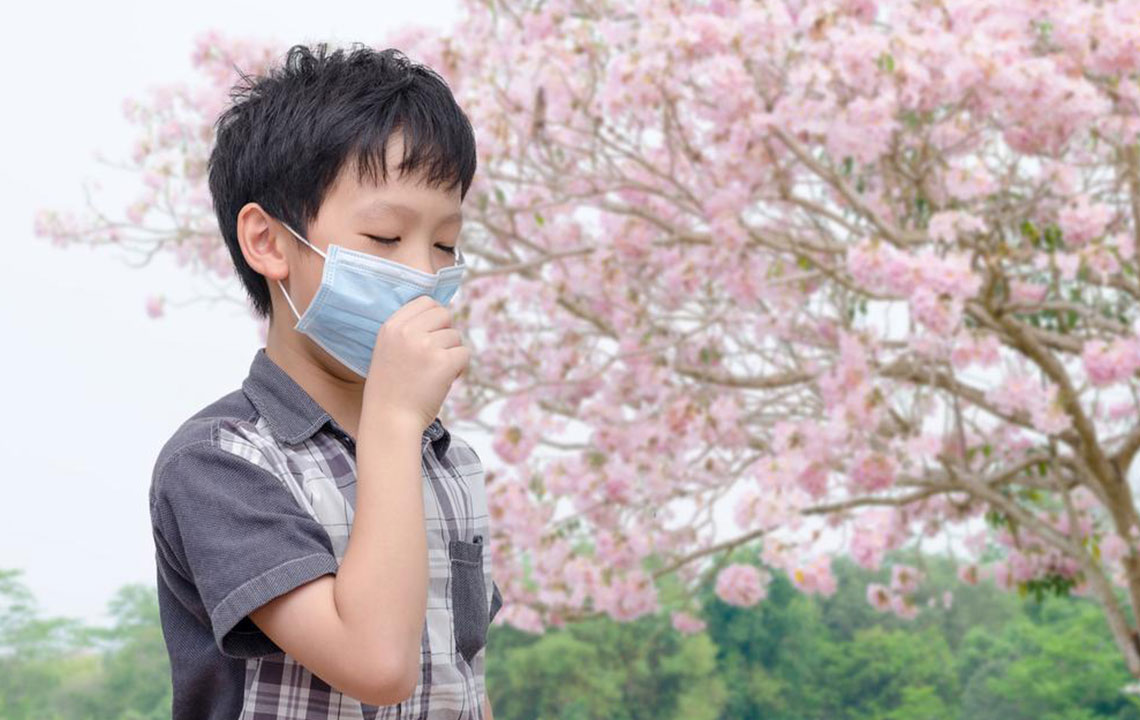
Spring brings a surge in pollen levels, which can trigger allergy symptoms in many individuals. Pollen allergy remains one of the most prevalent sensitivities affecting a wide population.
If you're highly sensitive to environmental allergens, managing pollen allergies can be difficult, especially with frequent outdoor activities or travel.
While medication provides quick relief, it doesn't offer long-term prevention. Fortunately, simple lifestyle adjustments can help minimize symptoms without the need for frequent doctor visits.
Include vitamin D-rich foods such as dairy products, citrus fruits, soy drinks, cereals, cheese, and egg yolks in your diet to help lower allergy risks. Keep your living space clean by vacuuming carpets regularly, as they can harbor pollen, dust, and mites, particularly in bedrooms. Minimize pet contact on high pollen days, since fur can carry allergenic particles. Use air conditioning instead of fans to control indoor humidity and block pollen from entering through windows. Always wear a high-quality mask when outdoors during peak pollen times, and leave shoes outside to prevent pollen from tracking inside. Dry clothes indoors to avoid pollen settling on fabrics. Implementing these tips can greatly reduce pollen allergy symptoms. If symptoms continue, consult a healthcare professional for personalized advice.