Optimal Exercise Approaches for Lymphedema Relief and Management
This article explores effective exercise techniques for managing lymphedema, emphasizing the importance of movement, proper routines, and professional guidance. Regular exercises help reduce swelling, improve mobility, and support lymphatic health, making them vital in long-term management strategies. Key exercises include pelvic tilts, bridges, shoulder rolls, and torso rotations, all designed to enhance circulation and alleviate symptoms. Incorporating these activities into daily routines, under medical supervision, can significantly improve quality of life for individuals living with lymphedema.
Optimal Exercise Approaches for Lymphedema Relief and Management
Lymphedema manifests as chronic swelling and discomfort, often affecting limbs, chest, or abdomen, typically due to lymphatic system damage caused by cancer treatments such as surgery or radiation therapy. The condition results from lymph fluid accumulation when lymph pathways are blocked or damaged. Performing specific physical movements can enhance lymph circulation, reduce symptoms, and boost mobility. Implementing proper exercise routines is vital for effective lymphedema control.
The role of physical activity in controlling lymphedema
Early detection and adherence to recommended treatments are vital. Ignoring symptoms may lead to infections, increased pain, and worsening swelling.
Guided by healthcare professionals, patients can safely perform effective exercises at home to lessen symptoms and support recovery. Combining lymphedema exercises with other therapies offers benefits such as:
Muscle contractions stimulate lymph fluid movement, aiding drainage.
Maintaining a healthy weight reduces swelling potential.
Consistent activity enhances joint flexibility and limb mobility, alleviating discomfort.
Top 10 Effective Exercises to Reduce Lymphedema Discomfort
Staying active through routine exercise is essential for managing lymphedema long-term. Starting with gentle stretching and deep breathing exercises is recommended. Always seek medical advice prior to beginning new workouts. Below are ten beneficial exercises to control swelling and improve comfort:
Pelvic tilts: Lie on your back with knees bent and feet flat. Tilt your hips to press your lower back into the floor. Hold briefly, then relax.
Toe curls: Lie supine, elevate legs on pillows, and curl toes tightly before releasing.
Bridges: Knees bent, lift hips off the ground, engaging core muscles. Hold for 10-30 seconds.
Shoulder rolls: Lift shoulders toward ears, then roll them back and down smoothly.
Wrist circles: Extend arms overhead and rotate fists in small circles, switching directions.
Wrist flexion and extension: Move wrists intentionally in flexion and extension while arms are overhead.
Fist clenching: Spread fingers wide, then make a tight fist repeatedly.
Hip and knee lifts: Bring each knee toward your chest, then straighten the leg.
Clamshells: Side-lying with feet together, open and close legs to engage core muscles.
Torso rotations: Lie on your back and gently twist torso side to side, holding each position briefly.
Tips for Safe Exercise Practice:
Begin gradually, increasing intensity over time, especially if new to exercise.
Maintain proper posture to avoid injury.
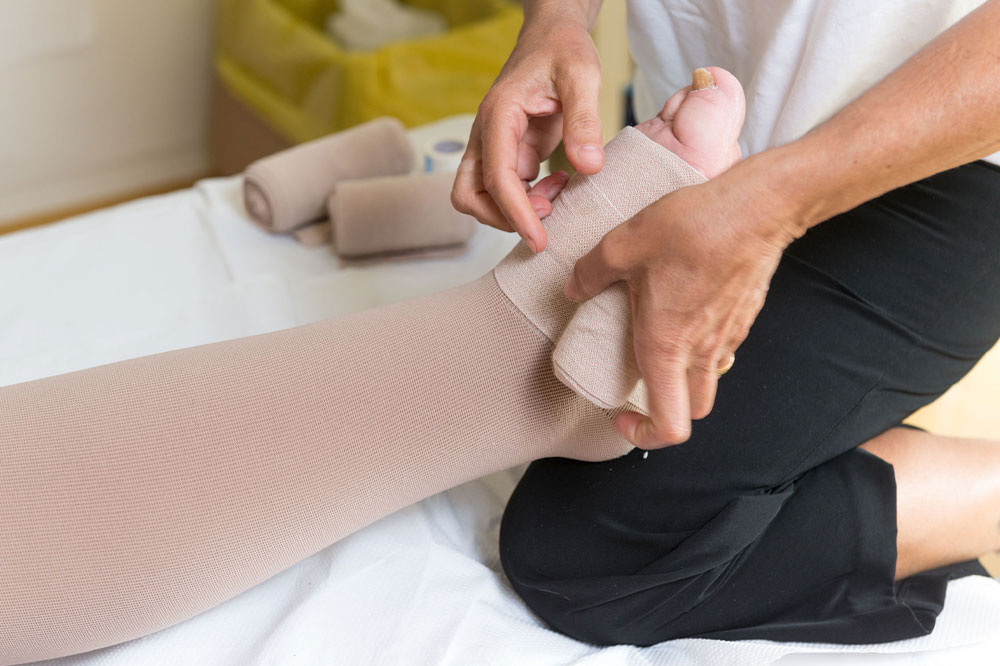
Use appropriate-fitting gear and compression garments to promote circulation.
Combine flexibility, strength, and aerobic workouts as recommended by your healthcare provider.
In summary, regular movement supports lymphatic health by facilitating fluid transport, reducing swelling, and maintaining functional mobility. Routine check-ups, personalized exercise plans, and a healthy lifestyle are essential components for managing lymphedema effectively.