Ultimate Guide to Hydrogen Peroxide as an Oral Rinse
This comprehensive guide explains how hydrogen peroxide functions as an effective oral rinse. It details proper usage, benefits, and potential side effects, helping users maintain healthy teeth and gums safely. Following instructions and consulting healthcare professionals ensures optimal results. Ideal for those seeking an enhanced dental hygiene routine, the article highlights the importance of responsible application for improved oral health.
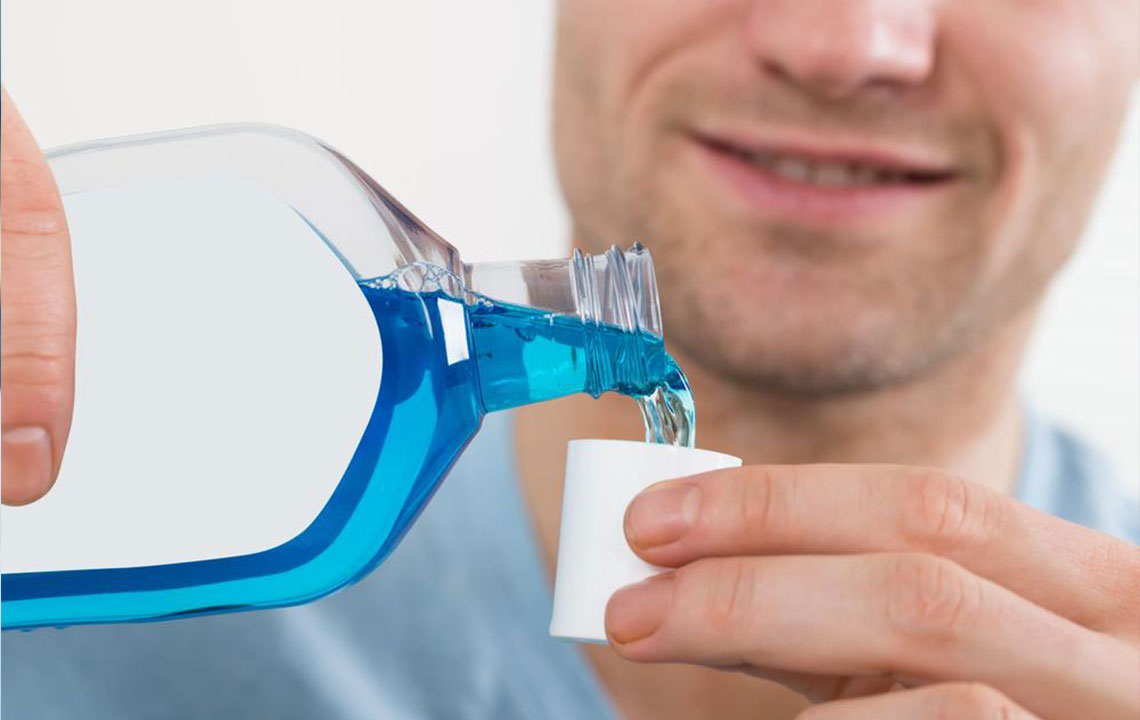
Ultimate Guide to Hydrogen Peroxide as an Oral Rinse
Achieving optimal dental health involves preventing issues like gum infections, bad breath, and cavities. While brushing and flossing are crucial, supplemental treatments can enhance oral care. Hydrogen peroxide mouth rinse is an effective option to combat bacteria, whiten teeth, strengthen enamel, and reduce plaque. Proper use can soothe gum discomfort and promote a healthier smile. Always follow guidelines to maximize benefits and minimize risks.
How does hydrogen peroxide mouthwash function?
It acts as a gentle antiseptic, helping to soothe minor oral irritations like gingivitis or denture-related discomfort.
When used as a rinse, it releases oxygen that creates foam, removing mucus and cleaning affected areas.
Follow manufacturer instructions carefully, especially regarding dilution for concentrated products.
Ready-to-use products can be used directly; rinse for 30 seconds to a minute, then spit out. Repeat 2-3 times per session for optimal results.
Consult your dentist if unsure about proper usage or dosage.
Avoid swallowing the solution to prevent health risks.
For gel formulations, apply a small amount to the affected spot, leave for at least a minute, then rinse with water.
Use up to four times daily, or as advised by your dentist for personalized care.
While hydrogen peroxide mouthwash offers many oral health benefits, it's essential to be aware of possible side effects. Mild issues like redness, stinging, or irritation usually resolve quickly, but persistent discomfort should be evaluated by a healthcare professional. Severe reactions such as rashes, swelling, dizziness, or breathing difficulties require immediate medical attention.
Before starting use, inform your healthcare provider about allergies or current medications, as inactive ingredients may cause sensitivities. It is generally safe during pregnancy and breastfeeding, but always seek medical advice. Share your medication list with your dentist to avoid interactions. Use responsibly, and consult professionals to ensure safe, effective oral care.