Key Causes of Blood Vessel Bleeds in the Eye
This article explores common causes and risk factors of blood vessel bleeds in the eye, emphasizing the importance of prompt medical care and understanding eye hemorrhages. It covers symptoms, causes, risk factors, and when to seek treatment for ocular bleeding issues.
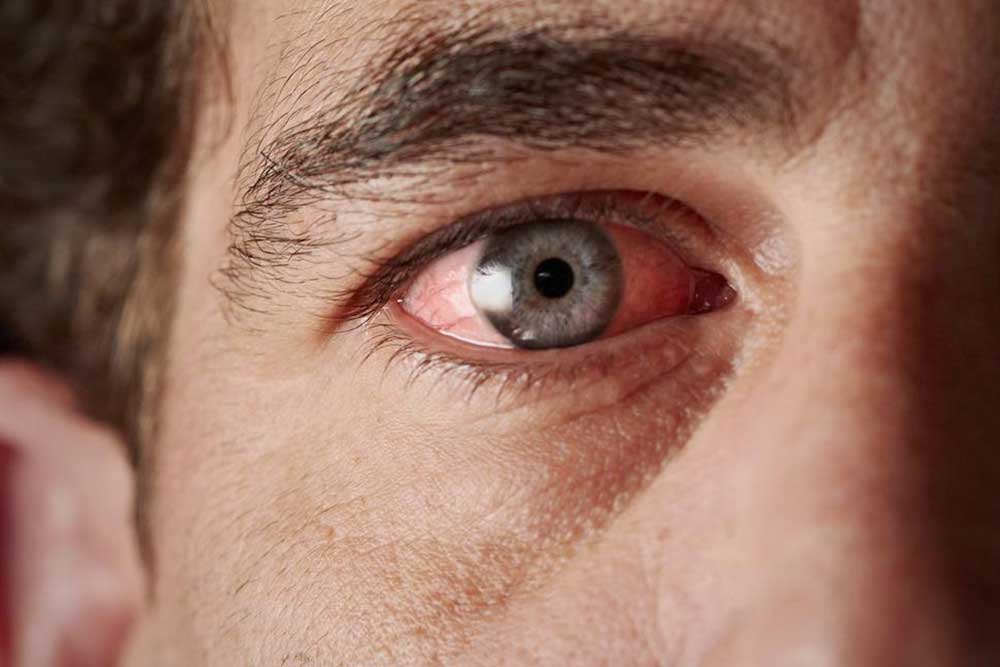
The eye's fragile structure includes tiny blood vessels within the conjunctiva, the transparent tissue covering the eye. These vessels are found on the white part of the eye and inside the eyelids, supporting eye health by providing nutrients and moisture. Bleeding happens when a small vessel ruptures, resulting in visible red spots or blood in the eye. Most of these hemorrhages are benign, typically resolving within two weeks without medical intervention.
Subconjunctival hemorrhages occur when tiny blood vessels beneath the conjunctiva break, giving the eye a bright red appearance. This usually appears suddenly and does not affect vision because the cornea remains unaffected. In most cases, spontaneous recovery occurs without the need for treatment.
Risk Factors for Eye Hemorrhages
Diabetes
High blood pressure
Use of blood thinners like aspirin or warfarin
Bleeding disorders
Triggers for Blood Vessel Rupture in the Eye
Facial trauma or injury
Prolonged eye strain from screen use
Coughing or sneezing forcefully
Heavy lifting or intense physical effort
Eye infections
Deficiency of vitamin C
Seeking prompt medical attention is important if bleeding occurs, as untreated issues may lead to further health complications or vision problems.