Are Discreet Hearing Devices Right for You?
Explore whether discreet, invisible hearing aids suit your lifestyle. This article covers their benefits, limitations, and tips for choosing the right device. Perfect for those seeking an unobtrusive solution for mild to moderate hearing loss, with professional guidance recommended for personalized advice.
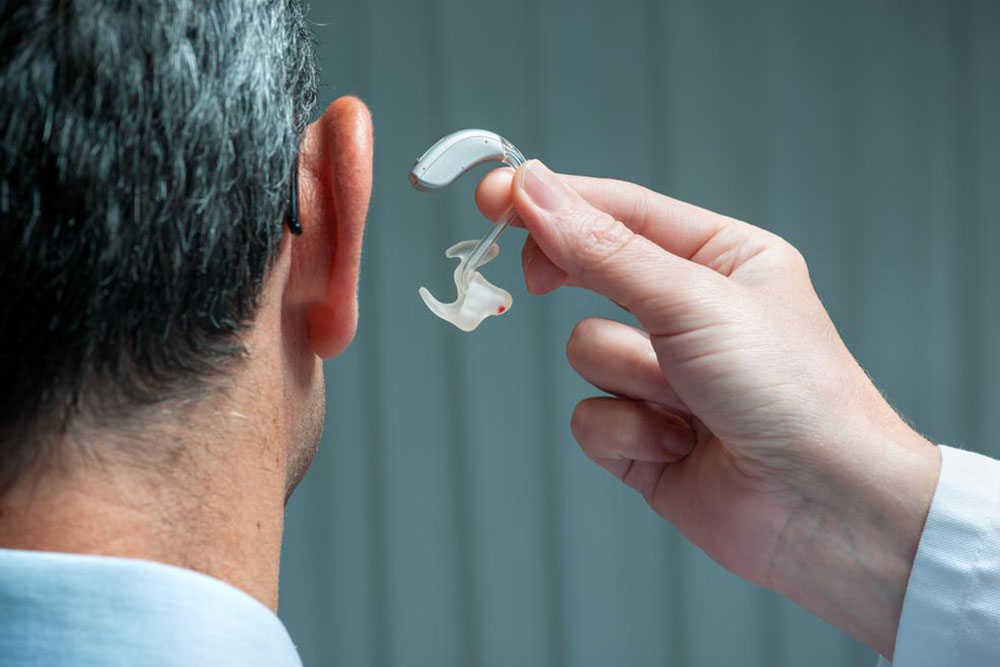
Are Discreet Hearing Devices Right for You?
Many seniors avoid traditional hearing aids due to concerns about appearance and social stigma.
Fortunately, invisible hearing solutions offer a discreet alternative that blends seamlessly with the ear. More people are opting for these low-profile devices instead of bulky traditional aids. But are invisible models the best choice for your hearing needs? Continue reading to discover the pros and cons of invisible hearing technology.
Advantages of discreet hearing devices
Nearly invisible appearance
These devices are designed to sit deep inside the ear canal, rendering them almost invisible to others. Users can enjoy clear hearing without worrying about the device's visibility.
Enhanced natural sound
Positioned deep within the ear, these aids capture sounds more naturally and retain environmental cues that help identify sound sources. Their design avoids wires and tubes, offering a more authentic auditory experience.
Less occlusion effect
Traditional hearing aids can cause a muffled or hollow sound due to occlusion. Invisible aids cover less of the ear, reducing this sensation and increasing comfort. Their small size minimizes blockage, resulting in greater convenience.
Disadvantages of invisible hearing devices
Shorter battery life
Due to their compact size, batteries in invisible hearing aids tend to drain faster, necessitating frequent replacements and potentially higher costs.
Limited suitability for severe hearing loss
These devices are typically effective for mild to moderate hearing impairment. Their small size limits the inclusion of advanced features like powerful speakers or processing capabilities. Additionally, individuals with narrow or irregular ear canals may find proper fitting challenging. Those with visual impairments might also face difficulties handling and inserting the devices.
If you’re unsure which hearing aid type best matches your lifestyle and hearing condition, consulting an audiologist is recommended. They can guide you towards the most appropriate solution tailored to your needs.