Effective Dietary Strategies to Combat Fatty Liver Disease
Discover effective dietary tips to improve liver health, reduce fat accumulation, and prevent progression to cirrhosis. Including nutrient-rich vegetables, proteins, and healthy fats can support liver regeneration and detoxification, especially for those aged 40-60. Avoiding fried foods and processed snacks is also crucial for managing fatty liver disease.
Effective Dietary Strategies to Combat Fatty Liver Disease
Steatosis, commonly known as fatty liver, occurs when fat accumulates excessively in the liver tissue. Normally, the liver contains no more than 10% fat; surpassing this level causes fatty liver. As a crucial organ responsible for nutrient processing and toxin filtration, it can be impaired by excess fat. Fortunately, adopting healthy eating habits and active lifestyles can reverse this condition.
The liver has the ability to regenerate damaged cells, but ongoing injury may lead to scarring or cirrhosis. Poor diets and sedentary routines are significant contributors, especially for those aged 40 to 60.
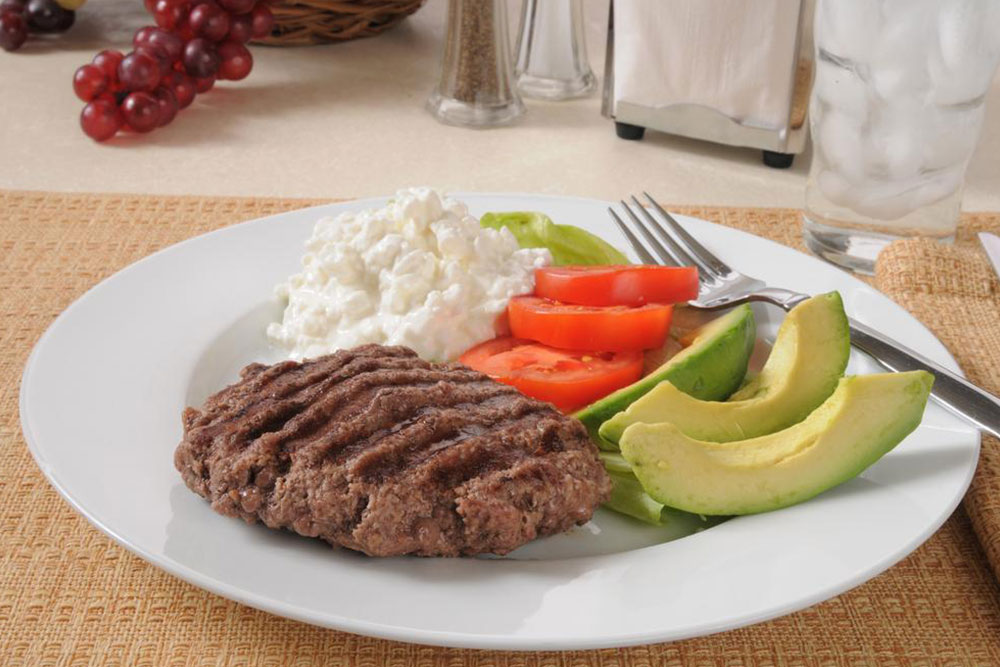
Consume more raw vegetables and limit high-sugar fruits to promote liver health and weight control. Vegetables provide vital nutrients and are low in sugar. Cooked vegetables, apart from potatoes, can help replace nutrients lost through processed foods. Ensure adequate protein intake with seafood, lean meats, eggs, and legumes. Supplements like liver tonics can supply nutrients that support detoxification and repair.
Boosting glutathione—the liver's primary detoxifier—can help reduce fat accumulation. Include sulfur-rich foods such as eggs, cabbage, broccoli, and garlic to improve liver function. Avoid fried foods cooked in vegetable oils, which can promote fat buildup. Instead, choose healthier options like olive oil-based snacks.