Smart Dietary Approaches to Manage Hypertension Effectively
This article offers comprehensive dietary strategies to manage and lower hypertension naturally. It emphasizes nutrient-rich foods, reducing salt and unhealthy fats, and adopting a healthy lifestyle to improve blood pressure. Tailored dietary tips and lifestyle modifications are highlighted to support long-term health and prevent complications related to high blood pressure.
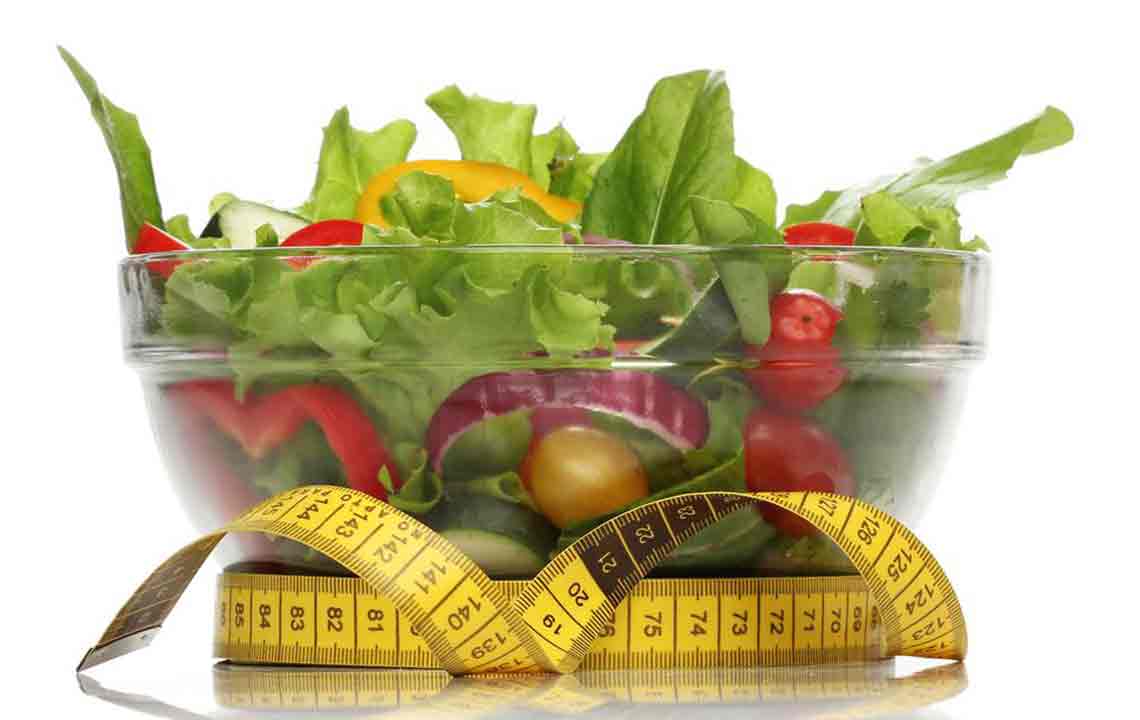
Nutritional Strategies for Blood Pressure Control
The Dietary Approaches to Stop Hypertension (DASH) diet promotes the intake of fresh fruits, vegetables, whole grains, lean proteins like fish and poultry, nuts, legumes, and low-fat dairy products. Nutrition plays a crucial role in overall health, and combining healthy eating patterns with regular physical activity can help prevent and control hypertension.
What is Hypertension? Hypertension is characterized by consistently elevated blood pressure, exerting extra stress on arteries, the heart, and the kidneys, increasing the risk of cardiovascular and renal complications.
Common Causes of High Blood Pressure Factors such as aging, genetics, climate changes, certain medications, obesity, smoking, alcohol consumption, excess salt or saturated fats, stress, diabetes, and pregnancy can raise blood pressure. Although pinpointing exact causes is complex, hypertension remains a prevalent condition globally.
Medicinal Treatments for Hypertension While antihypertensive drugs are prescribed to manage high blood pressure, they may cause side effects and are not cures. Long-term reliance on medication underscores the importance of lifestyle modifications.
Natural Lifestyle Changes to Control Hypertension Maintaining a nutritious diet and engaging in regular physical activity can help keep blood pressure in check and even lower it over time. Here are specific dietary tips to support this effort.
Foods to Limit in a Hypertension-Friendly Diet:
Deli meats
Frozen pizzas
Pickles
Processed canned soups
Bottled tomato sauces
High sodium content in processed and preserved foods can rapidly raise blood pressure, even with single servings.
Additional foods to consume sparingly include:
Sugar-sweetened beverages and sweets, which can lead to weight gain and elevated blood pressure.
Foods with saturated fats like chicken skin, full-fat dairy, red meats, and butter.
Caffeinated drinks such as coffee, tea, and soda, which can cause temporary pressure increases.
Alcohol, which can cause short-term spikes and contribute to long-term hypertension if overused.
Foods to Emphasize for Blood Pressure Management:
Dark leafy greens like spinach, arugula, and turnip greens, rich in potassium to counteract sodium.
Antioxidant-rich berries including blueberries that may help lower blood pressure.
Beets, high in nitric oxide, assist blood vessel dilation and pressure reduction.
Low-fat dairy such as skim milk and yogurt, providing calcium without excess calories.
Oatmeal, a fiber-rich, low-fat, low-sodium option beneficial for cardiovascular health.
Omega-3 rich fish like salmon and mackerel support cardiovascular function and reduce hypertension.
Unsalted seeds including sunflower and pumpkin, which supply potassium and other vital minerals.
Adhering to these dietary guidelines along with lifestyle changes—like reducing salt and unhealthy fats—can significantly improve blood pressure regulation. For personalized advice, consulting a dietitian is recommended.