Smart Approaches to Relieving Redness in the Eyes
Discover effective methods to alleviate red eyes caused by allergies, infections, or irritation. Learn about treatments like warm or cold compresses, eye drops, and the importance of professional diagnosis for lasting relief. Protect your eye health with proper care and timely medical consultation.
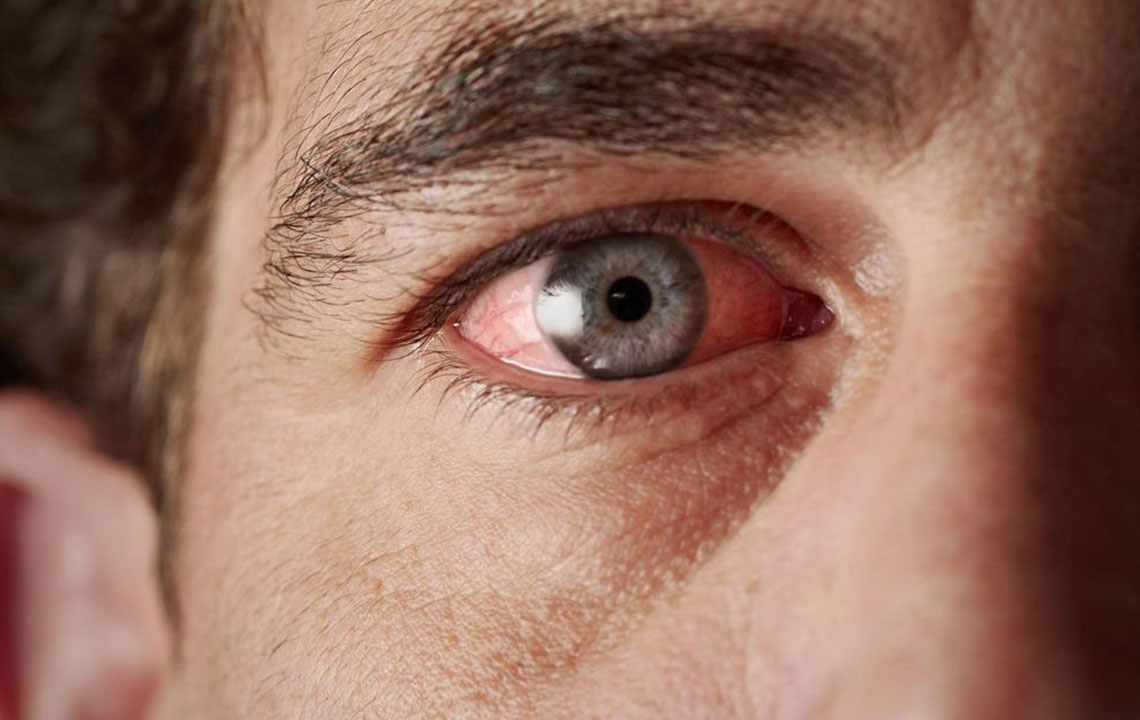
Smart Approaches to Relieving Redness in the Eyes
Environmental factors like dust, weather fluctuations, and pollution frequently contribute to eye irritation and redness. Conditions such as infections, allergies, debris, or broken blood vessels can be the cause. While symptoms often resolve on their own, identifying the underlying reason is essential for effective relief.
Primary causes include conjunctivitis (commonly known as pink eye), allergic responses to pollen or pet dander, eyelid inflammation (blepharitis), and minor bleeding from blood vessels in the eye (subconjunctival hemorrhage). Accurate diagnosis ensures proper treatment.
Conjunctivitis (Pink Eye)
This inflamed condition can be caused by viruses, bacteria, or allergies and is highly contagious. Seeing a healthcare professional is key to targeted treatment.
Allergies
Pollen, mold, and pet dander can prompt allergic reactions, releasing chemicals that cause redness, itching, and dryness.
Blepharitis
An eyelid inflammation resulting in redness, irritation, and flaky skin around the eyelids.
Subconjunctival Hemorrhage
Minor blood vessel ruptures from coughing, sneezing, or injury cause visible red patches. Use of blood thinners and high blood pressure can increase risk.
Red Eye Treatment Methods
Depending on the cause, treatment options include:
Warm Compresses
Applying a warm, moist cloth for about 10 minutes enhances blood circulation and promotes oil production, helping conditions like blepharitis.
Cold Compresses
Using a cool, damp cloth or ice wrapped in a cloth can help reduce swelling, relieve itchiness, and soothe inflammation, especially for allergic or viral conjunctivitis. Apply for 4-5 minutes if no commercial packs are available.
Eye Drops
Consult your healthcare provider before use. Antihistamines help with allergies; vasoconstrictors reduce redness. Contact lens wearers should choose preservative-free options to prevent irritation.
Additional Measures
Infections may require antibiotics prescribed by a doctor. Avoid overusing medicated drops to prevent resistance or unwanted reactions.
Long-Term Care
Change contact lenses and solutions if irritation persists
Follow a diet rich in omega-3 fatty acids like fish and nuts, and low in processed foods
Avoid environments with pollen, smoke, or pollutants
Seek professional medical advice before starting new treatments
Note:
This guide offers practical insights into managing eye redness. Always consult an eye care specialist for accurate diagnosis and tailored treatment plans. The information provided should not replace professional medical advice.