All About Heat Rash: Causes, Symptoms, and Effective Treatments
Learn about heat rash, its causes, symptoms, and effective remedies. The article covers types of Miliaria, risk factors, prevention strategies, and treatment options to manage and prevent heat rash in hot and humid conditions, ensuring comfort and skin health.
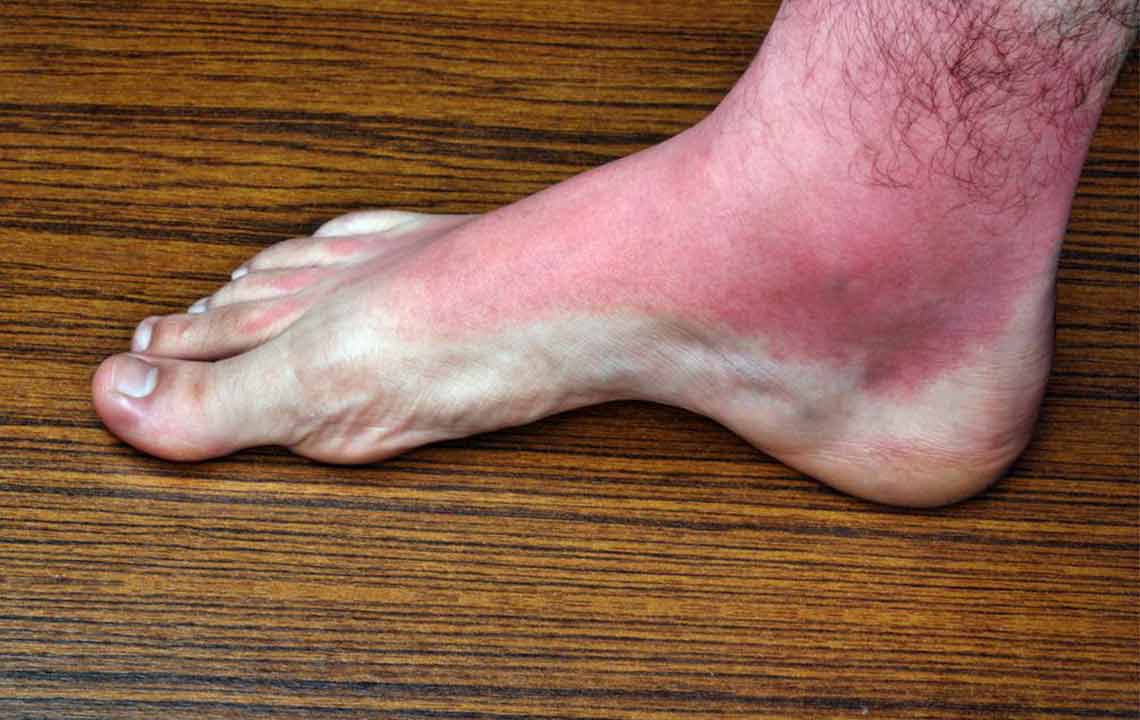
Understanding Heat Rash: Causes, Symptoms, and Remedies
Heat rash, also known as prickly heat, appears as reddish or pink skin irritation, usually on covered areas. It occurs when sweat pathways get blocked, causing inflammation and itching.
While infants are more vulnerable, adults can also experience heat rash in high temperatures and humid conditions. Known medically as Miliaria, it presents as tiny pink bumps on the face, neck, and other body parts.
Miliaria includes three types:
Miliaria Crystallina: The mildest, with clear, painless bumps that do not itch.
Miliaria Rubra: Red, itchy skin bumps that often appear on the surface, common among children and adults. They form deeper within the skin but are visible externally.
Miliaria Profunda: A rare form affecting adults after repeated episodes, resulting in larger, raised red bumps.
What leads to heat rash?
Wearing too much warm clothing and hot weather trap sweat, causing skin irritation and rashes. To prevent this, wear light, breathable clothing and keep the skin dry. Rinsing sweat promptly with water and mild soap helps prevent blockages.
Signs and symptoms of heat rash
Small pimples or dots near sweat openings.
Red or pink patches that may worsen without care.
Deeper rashes can be more itchy and form larger red bumps.
Heat rash often appears on neck, face, abdomen, back, groin, buttocks, under breasts, and elbow folds. Friction from clothing can increase discomfort or lead to infections.
Diagnosing heat rash
Usually identified visually. If it persists beyond a few days, or worsens, consult a healthcare provider. Watch for increased redness, swelling, pain, pus, swollen lymph nodes, or fever, which may suggest infection needing medical attention.
Who is most at risk?
Anyone exposed to hot conditions can develop heat rash, but risk factors include infants, young children, athletes, overweight individuals, bedridden patients, military personnel, and those with reduced sweating ability.
Remedies for heat rash
Wear loose, lightweight clothing to cool and ventilate the skin.
Allow the rash to air dry naturally—avoid rubbing with towels.
Refrain from applying ointments or lotions on affected areas, as they may worsen irritation.
Prevention tips
Dress in breathable fabrics, avoiding multiple layers in hot weather.
Keep skin dry and cool, especially in sleeping areas.
Use water-based, breathable sunscreens instead of heavy lotions that block sweat ducts.
Most heat rashes fade within a day or two, especially in cooler environments. Proper skin care and clothing choices can help prevent discomfort and complications.