Guide to Contact Dermatitis: Symptoms, Causes, and Solutions
This comprehensive guide explains contact dermatitis, covering its symptoms, causes, and treatment options. Recognizing early signs helps in effective management, preventing skin damage. The article emphasizes avoiding irritants and allergens, with practical tips for soothing symptoms. Proper diagnosis is vital for appropriate care, especially in severe cases or when other conditions are involved. Overall, the guide aims to equip readers with knowledge to handle contact dermatitis effectively and maintain healthy skin.
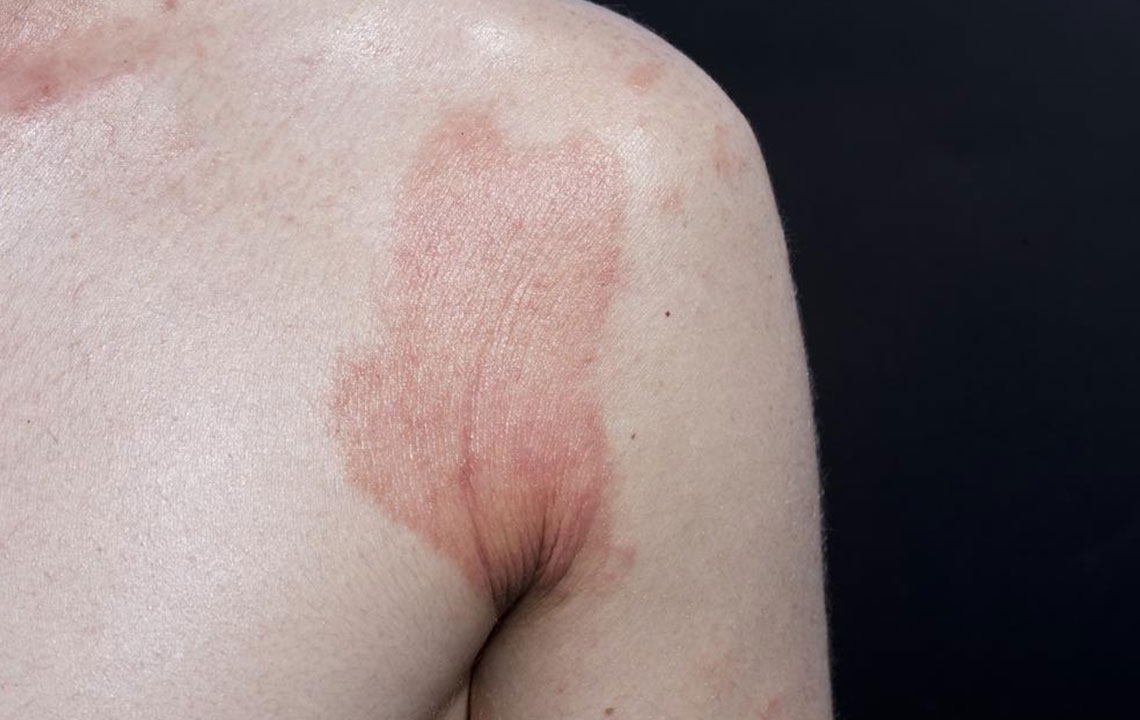
Guide to Contact Dermatitis: Symptoms, Causes, and Solutions
Experiencing sudden redness and discomfort on your skin? If accompanied by itching or a burning sensation, it might be contact dermatitis rather than a simple allergy or sunburn. This skin condition typically appears where the skin contacts irritants or allergens, resulting in red, itchy patches that may need specific treatment. Early recognition of symptoms can help manage the condition effectively, preventing further skin issues and promoting faster healing.
Recognizing Contact Dermatitis: Symptoms and Indicators
Contact dermatitis appears mainly in two forms: irritant contact dermatitis and allergic contact dermatitis. Both types lead to redness and itchiness. Allergic reactions often cause dryness, flakiness, blisters, hives, or sensitivity to sunlight. Additional signs may include skin darkening, burning feelings, swelling, especially on the face or groin. Intense itching is common, and allergic forms can cause leathery, cracked skin, sometimes with open sores and crusts.
Common Causes and Triggers of Contact Dermatitis
The origins of contact dermatitis are categorized into allergic contact dermatitis, photocontact dermatitis, and irritant contact dermatitis. Allergic type results from exposure to substances like nickel, chemicals, perfumes, or latex. Photocontact dermatitis occurs when certain products react to sunlight, though it's less common. The most widespread form, irritant contact dermatitis, results from contact with harsh chemicals such as detergents, solvents, acids, or cleaning agents, leading to redness, blistering, and cracked skin.
Effective Ways to Treat Contact Dermatitis
Avoiding known irritants and allergens is crucial. Gently wash affected areas with lukewarm water, then apply unscented petroleum jelly, coconut oil, or aloe vera gel to soothe the skin. Mild cases often improve within a few weeks with home remedies, but persistent or severe symptoms should be evaluated by a healthcare professional. Seek medical advice if experiencing widespread rashes, blisters, significant itching, pain, or if the condition affects sensitive areas like the face or genitals. Accurate diagnosis ensures appropriate treatment, especially to distinguish from other skin issues like eczema or infections. Avoiding triggers and allergens helps prevent recurrence and promotes skin recovery.
Contact dermatitis is a common cause of red, itchy patches on the skin, but other conditions like viral infections, insect bites, shingles, or fungal infections can produce similar symptoms. Conditions such as scabies, scarlet fever, diaper rash, or candidiasis also mimic dermatitis. Proper diagnosis and prompt medical intervention are essential for effective treatment and to prevent recurrence. Maintaining good skin care and avoiding triggers are key to quick recovery and long-term skin health.