Essential Steps for Accurate COPD Diagnosis
This article provides a comprehensive overview of COPD diagnosis, highlighting essential tests like spirometry, imaging, and laboratory assessments. Learn how healthcare professionals determine disease severity to enable timely and accurate treatment strategies.
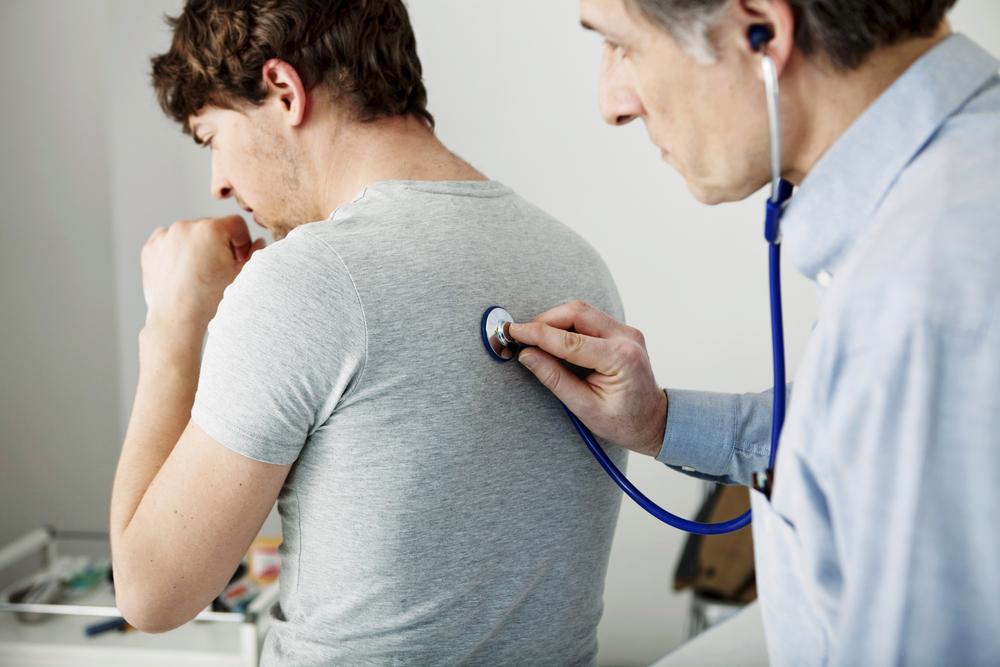
Diagnosing Chronic Obstructive Pulmonary Disease (COPD) involves evaluating clinical symptoms, performing lung function assessments, conducting laboratory tests, and utilizing imaging techniques. Spirometry is the primary method, measuring airway airflow and lung capacity. Key indicators include an FEV1/FVC ratio below 0.7 and FEV1 less than 80% of predicted values. Chest X-rays can demonstrate lung overexpansion, and blood tests along with sputum analysis assist in detecting inflammation and oxygenation status. COPD is categorized into four severity levels based on FEV1 percentages, facilitating appropriate treatment planning. Accurate diagnosis is vital for effective disease management.