Emerging Developments in Portable Medical Imaging Devices
This article explores the latest advancements in portable ultrasound devices, highlighting their technological features, diverse applications, benefits, and top market models. Portable imaging tools are transforming diagnostics by offering high-quality, on-the-spot imaging, especially useful in remote and urgent care settings. The piece covers operating tips, leading device options, and practical recommendations for optimal use, emphasizing their role in enhancing patient outcomes and healthcare delivery efficiency.
Emerging Developments in Portable Medical Imaging Devices
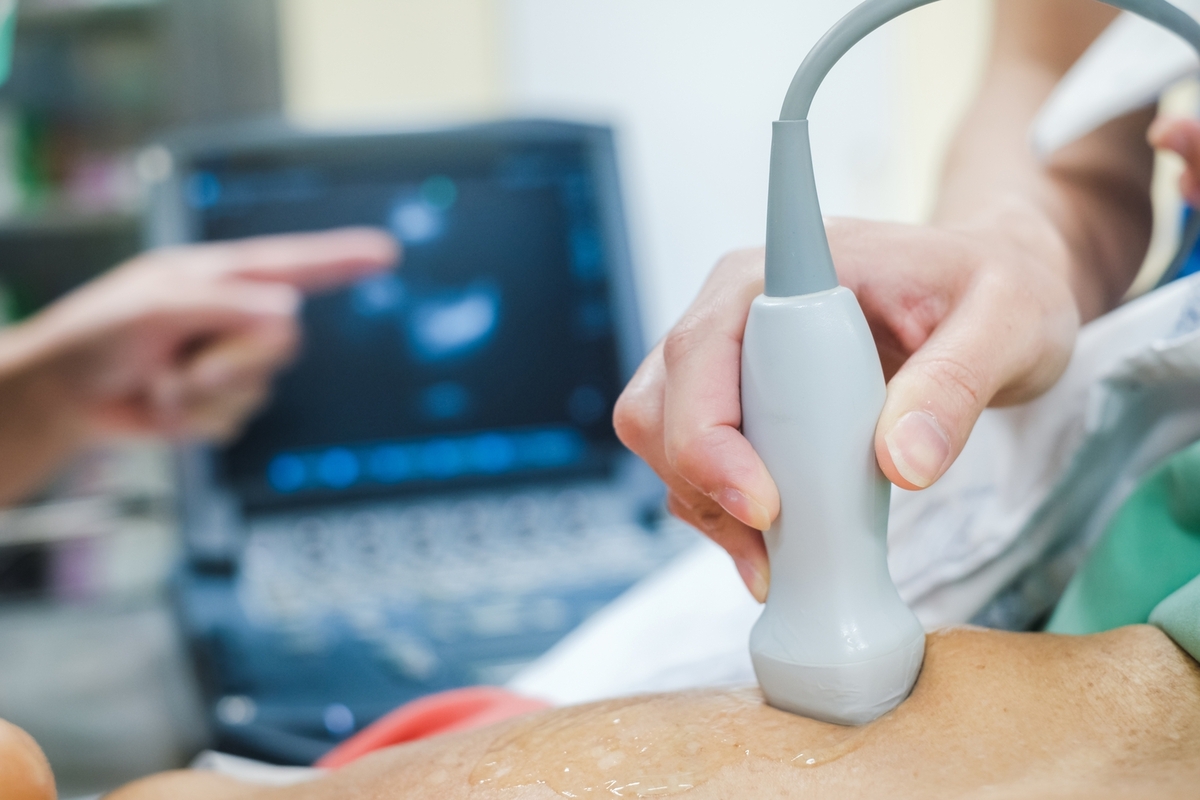
Handheld imaging tools are revolutionizing healthcare diagnostics, allowing providers to perform immediate, on-site scans across various environments. These lightweight devices now rival traditional machines, providing high-resolution imaging even in remote or resource-limited settings. This article examines the underlying technology, common applications, advantages, and compares top models on the market today.
Evolution of Portable Ultrasound Technology
Historical Insights
The development of portable ultrasound originated from the necessity to replace bulky, stationary machines with compact, mobile alternatives suitable for many clinical settings.
Advancements in miniaturization, battery life, and wireless connectivity have paved the way for modern portable ultrasound devices. These units feature crisp displays, sophisticated software, and often incorporate AI to enhance diagnostic accuracy and user experience.
Typical Applications of Portable Ultrasound Devices
1. Point-of-Care Imaging:
Extensively used in emergency rooms, intensive care units, and outpatient clinics, portable ultrasound facilitates swift bedside assessments, accelerating diagnosis and treatment planning.
2. Remote and Telehealth Services:
In underserved regions, these devices deliver vital imaging services where traditional equipment may not be accessible. Paired with telemedicine, images can be sent to specialists remotely for expert review, improving patient outcomes.
3. Pregnancy and Fetal Monitoring:
Portable ultrasound devices support prenatal visits, fetal well-being checks, and detection of pregnancy-related issues, especially in rural or mobile clinics.
4. Sports Medicine and Musculoskeletal Care:
Clinicians utilize these tools to diagnose sports injuries, guide joint treatments, and monitor healing processes directly on-site.
5. Cardiac Evaluation:
They assist in heart assessments, including echocardiograms, to evaluate cardiac function and identify problems early, aiding in cardiovascular management.
Benefits of Portable Ultrasound Devices
1. Mobility and Simplicity:
Compact and lightweight, these devices are easy to transport and operate in diverse settings such as ambulances and remote locations.
2. Cost-Effectiveness:
Compared to traditional systems, portable models are more affordable, expanding diagnostic capabilities without significant investment.
3. Rapid Results:
Instant imaging supports quick clinical decisions, leading to improved patient care.
4. User-Friendly Interface:
Modern devices feature intuitive designs and touchscreens, enabling easy operation even for less experienced users.
5. Patient Comfort:
On-site assessments reduce the need for patient movement, minimizing discomfort, especially for critically ill or immobile patients.
Leading Portable Ultrasound Devices on the Market
Below is an overview of some prominent portable ultrasound products:
GE Vscan Extend
Philips Lumify
Butterfly iQ+
Mindray M9 Portable
Clarius HD3
1. GE Vscan Extend
This compact device delivers fundamental imaging functions like B-mode and Doppler, suitable for urgent and primary care evaluations.
2. Philips Lumify
Connects easily with smartphones and tablets, offering high-quality images and multiple modes for varied clinical needs.
3. Butterfly iQ+
Budget-friendly and portable, it uses semiconductor technology for diverse imaging options in a pocket-sized device.
4. Mindray M9 Portable
Features advanced imaging capabilities and a large screen, ideal for detailed cardiology and general assessments, at a higher price point.
5. Clarius HD3
This high-definition scanner pairs with mobile devices, delivering superior imaging for both general practitioners and specialists.
Best Practices for Using Portable Ultrasound Devices
1. Training and Education
Ensure operators receive proper training in device handling, image acquisition, and safety protocols for accurate results.
2. Regular Maintenance
Routine checks and updates sustain device performance. Follow manufacturer instructions for calibration and upkeep.
3. Data Security
Protect patient data by employing encrypted transmission and storage, especially for wireless models.
4. Standard Operating Procedures
Develop consistent clinical protocols to guarantee precise diagnosis and treatment.
5. Electronic Health Record Integration
Ensure devices are integrated with electronic health records for seamless documentation and comprehensive patient management.
In conclusion, portable ultrasound technology enhances diagnostic flexibility, reduces costs, and improves patient care—particularly in challenging environments. Mastery of device features and best practices maximizes their benefits, enabling healthcare professionals to deliver better health outcomes.Sources: