A Guide to Types of Puzzles and Their Unique Features
Explore the diverse types of puzzles, from word and logic to cryptic and pattern puzzles. Learn about their history, features, and formats, including digital options. Perfect for enhancing critical thinking and problem-solving skills, puzzles remain a popular pastime across all ages.
Different Categories of Puzzles
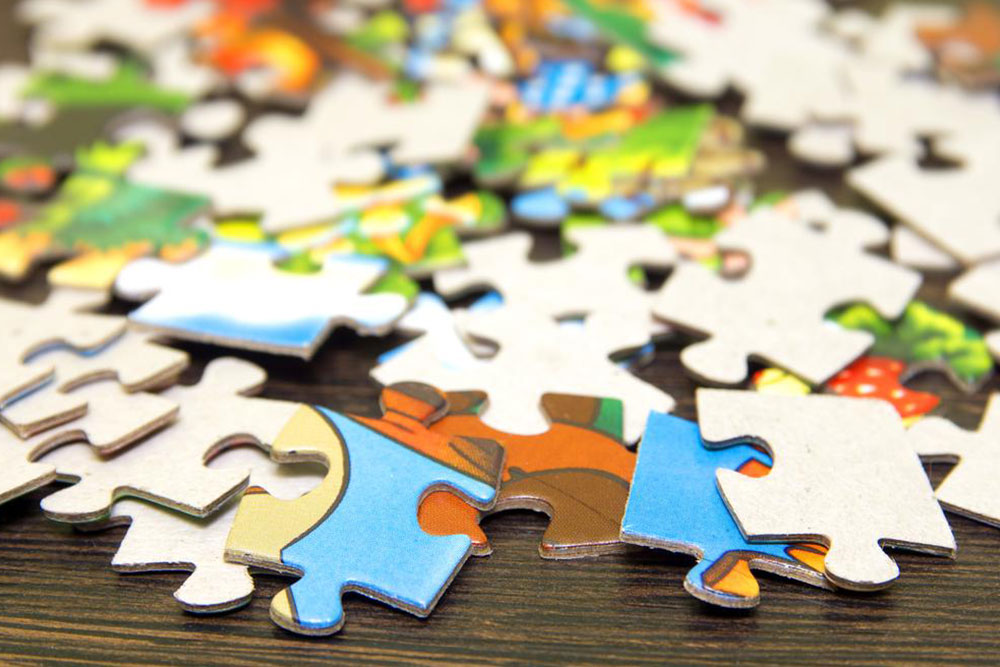
Puzzles offer a stimulating way to boost analytical thinking and problem-solving abilities. They challenge players to assemble pieces or decode riddles, often under time pressure. These mental exercises come in numerous styles, from themed stories to abstract designs. Dating back to 1760 when John Spilsbury created the first educational puzzle by cutting a map from wood, puzzles have remained a favorite leisure activity.
Today, puzzle varieties include construction sets, stick puzzles, transportation-themed puzzles, lock mechanisms, folding challenges, and mechanical puzzles.
Standard puzzle types include:
Word Puzzles: Centered on language skills, these include crosswords, trivia games, and word searches. A good vocabulary simplifies solving.
Logic Puzzles: These challenge players to follow specific rules and plan strategically to fill grids, requiring critical thinking.
Pattern Puzzles: Using logical reasoning, these puzzles uncover sequences or patterns, each with a clear solution.
Cryptic Puzzles: Known for their complexity, these puzzles involve obscure clues and mechanics, often needing multiple attempts to solve.
Generally designed for entertainment, puzzles typically have one correct answer, although different approaches may lead to various solutions. Both print and digital options are available, with digital puzzles becoming increasingly popular.