Effective Dietary Strategies for Managing Diarrhea
Discover effective dietary strategies and nutritional tips to manage diarrhea. Learn which foods to consume and avoid, understand the role of hydration and probiotics, and find guidance for quick recovery. Suitable for all ages, these recommendations help prevent dehydration and support gut health during episodes of diarrhea.
Effective Dietary Strategies for Managing Diarrhea
Diarrhea, characterized by frequent and watery bowel movements, can vary from mild to severe and often requires medical attention. It increases the risk of dehydration, especially among children and older adults. Typically caused by infections from viruses, bacteria, or parasites through contaminated food or water, understanding suitable dietary choices is essential during episodes. Most cases resolve within days with proper hydration and nutrition management.
Persistent diarrhea lasting several days may indicate underlying conditions such as
Irritable Bowel Syndrome
Crohn’s Disease
Coeliac Disease
Colorectal Cancer
It is often caused by bacteria like Salmonella, Shigella, or E. coli, which can be effectively treated with medical care and dietary modifications.Approaches to Managing Diarrhea
Minor cases often resolve naturally, but ongoing symptoms require medical evaluation.
Rehydration is critical; drinking water or IV fluids in severe cases supports recovery.
Oral Rehydration Solutions (ORS), containing salt and glucose, help restore electrolyte balance and hydration. Eating gentle, digestible foods reduces gut stress and promotes healing.
Dietary Guidelines During Diarrhea
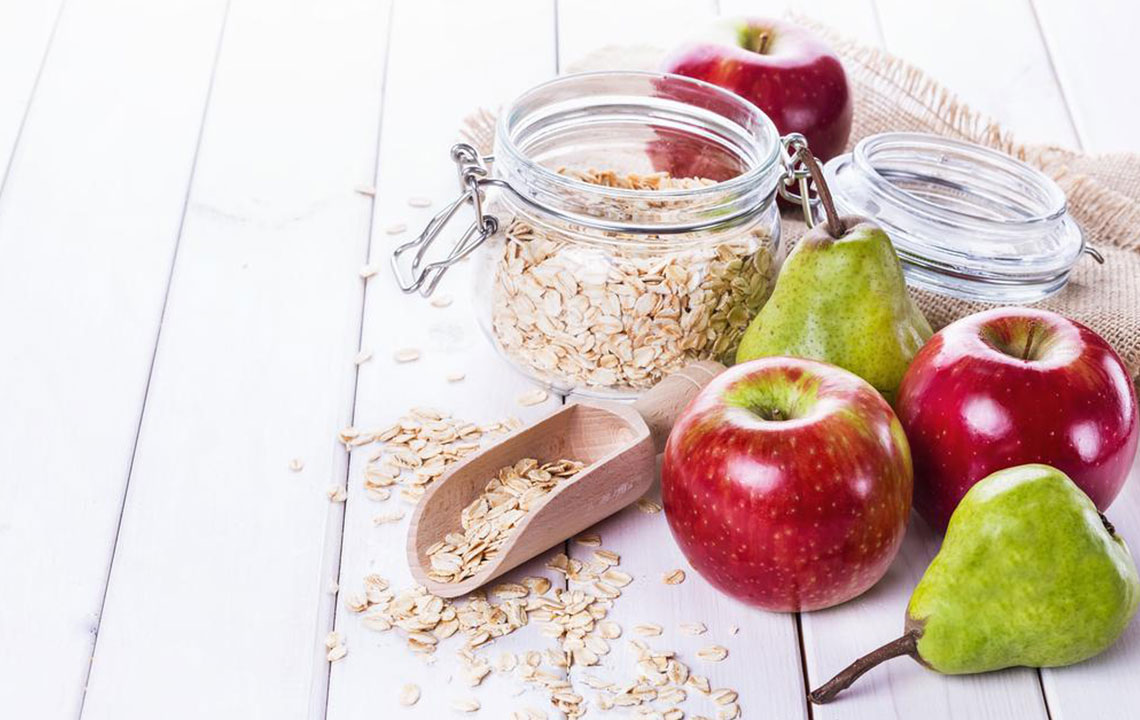
Choosing the right foods is key to alleviating symptoms. Focus on bland, easy-to-digest, and fiber-rich options such as oats, bananas, plain rice, boiled potatoes, toasted bread, skinless baked poultry, and moderate fats.
Nutrition tips include:
Drink clear, non-carbonated beverages like diluted fruit juices to replenish fluids.
Consume fluids between meals to minimize gut irritation.
Include high-potassium foods such as bananas, potatoes, and fruit juices.
Replenish electrolytes with broths and salted crackers.
Enjoy herbal teas like black tea for stomach comfort.
Eat cooked root vegetables like carrots and sweet potatoes to soothe the digestive system.
Try gentle desserts like rice pudding made with almond or soy milk and minimal sugar.
Foods to avoid include high-sugar items like prunes and cherries, caffeinated drinks, dairy containing lactose, greasy or spicy foods, and high-fiber foods that may worsen symptoms.
The Impact of Probiotics
Probiotics are beneficial microorganisms that help restore healthy gut flora during diarrhea. They are especially useful for travel-related and antibiotic-induced diarrhea. Available as capsules, powders, or liquids, probiotics should be taken under medical supervision, especially for infants and seniors. Proper probiotic intake can reduce illness duration and aid recovery.
If diarrhea persists beyond three days despite good hydration and diet, consulting a healthcare professional is essential. Though OTC medications exist, professional guidance ensures safe and effective treatment. Remember, strategic nutrition is vital for recovery; choose your foods carefully during illness and recovery periods.