Complete Eczema Management Guide: Symptoms, Types, and Treatment Strategies
This comprehensive guide covers eczema's symptoms, types, diagnosis, and effective treatment strategies. Learn how to identify triggers, differentiate between various eczema forms, and manage skin conditions for healthier skin. Essential tips include avoiding irritants, maintaining skin hydration, and consulting healthcare professionals for personalized care. Perfect for those seeking a detailed understanding of eczema and how to control it effectively.
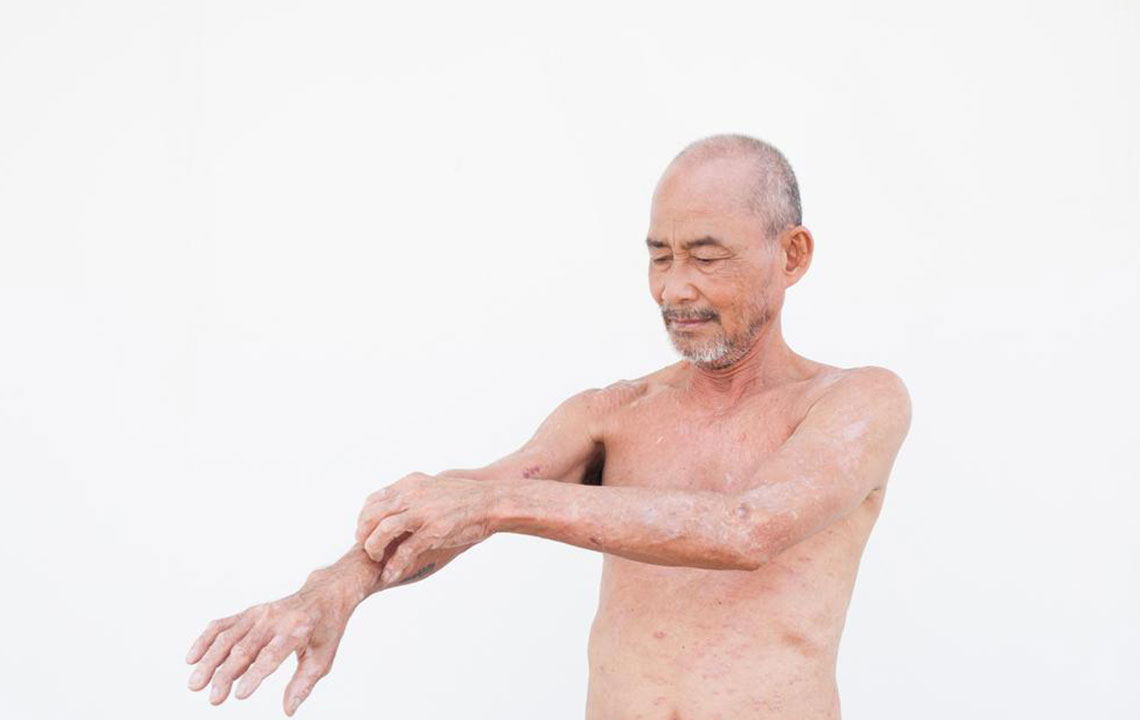
Understanding and Effectively Managing Eczema
Eczema encompasses various skin conditions marked by itching, redness, rough patches, and bumps. The most common form, atopic dermatitis, often begins in childhood but can affect individuals of any age. It has genetic roots and is influenced by environmental triggers, stress, certain foods, infections, and contact allergens.
Diagnosis of Eczema
Dermatologists typically diagnose eczema based on clinical examination and medical history. Persistent itching often indicates eczema, and in severe cases, a skin biopsy may be needed to confirm the diagnosis.
Common affected regions include skin folds such as elbows and knees, while infants may show symptoms on the forehead, cheeks, and limbs. Hand and foot involvement is also common. Identifying triggers and avoiding irritants, along with maintaining skin moisture, are crucial for management.
Types of Eczema
There are over eleven varieties of eczema, each needing specific treatment approaches. Pinpointing the exact type is essential for effective control.
Atopic Dermatitis
Most common, this form starts early in life and causes rashes on the neck, elbows, knees, and ankles. It involves immune system factors beyond allergies.
Allergic Contact Dermatitis
Occurs after repeated exposure to allergens like poison ivy, resulting in localized inflammation and irritation.
Stasis Dermatitis
Primarily seen on lower legs due to poor circulatory blood flow, leading to skin inflammation.
Irritant Dermatitis
Develops from frequent contact with harsh substances, damaging the skin.
Fungal Dermatitis
Can resemble eczema; diagnosis involves skin scraping and cultures for fungi.
Scabies
A mite infestation causing rashes and itching, similar in appearance to eczema.
Dyshidrotic Eczema
Often affecting hands and feet with small, itchy blisters on fingers, toes, and sides.
Seborrheic Dermatitis
Leads to flaky, oily rashes on the scalp, face, ears, and chest; infants may experience oozing behind ears.
Distinct distribution patterns and symptoms help differentiate these conditions. Recognizing specific triggers improves treatment outcomes.
Approaches to Eczema Treatment
Initial management may involve applying diluted water compresses to reduce oozing and soothe irritation. After inflammation lessens, topical steroids or prescribed medications help control symptoms. Long-term care might include addressing infections and avoiding triggers based on eczema type.