Complete Overview of Scoliosis Treatment and Management Strategies
This comprehensive guide covers scoliosis causes, symptoms, and treatment options. It highlights non-invasive methods like bracing, physical therapy, and when surgery might be necessary. Emphasis is placed on early intervention, personalized care, and ongoing research efforts to improve patient outcomes. Suitable for individuals experiencing spinal curvature issues or seeking detailed scoliosis management information.
Understanding Scoliosis: Causes, Symptoms, and Management Approaches
Experiencing a curved or hunched back? Noticing the spinal curve worsening over time? Facing postural issues or deformities? These signs may indicate scoliosis, a condition characterized by abnormal lateral curvature of the spine.
Scoliosis causes the spine to bend sideways or outward, resulting in physical deformity. It mostly affects children between 9 and 15 years old, with genetics influencing its development. Females are nearly twice as likely to develop scoliosis as males. Various types are classified based on age, gender, and curve characteristics.
Although there is no definitive cure for scoliosis, several treatments aim to control or slow its progression. The optimal approach depends on how severe the spinal curve is. An orthopedic or neurological specialist will evaluate the spine and recommend appropriate interventions. In cases where progression is likely, a comprehensive treatment plan becomes essential. Options include braces, physical therapy, and surgery, customized to individual needs.
Bracing Options
Mostly recommended for growing children, braces help steer spinal development and inhibit further curvature. Made primarily from plastic, these devices are designed for comfort and to be hidden under clothing. Two main types are used:
Nighttime Braces
These are corrective braces worn during sleep, applying force when standing is limited. They must be worn for at least eight hours nightly to be effective.
Full-time Braces
Intended for 16 to 23 hours of daily wear, these braces exert pressure from both sides to maintain spinal alignment.
Both types of braces fit snugly and are discreet under clothing, providing constant support to promote proper posture and spinal health.
Surgical Treatment
Severe or rapidly progressing scoliosis may necessitate surgery. Surgical options do not cure scoliosis but aim to reduce the curve and prevent worsening. Spinal fusion is most common, involving fusing affected vertebrae with bone grafts, metal rods, screws, and wires for stabilization.
Risks include bleeding, infection, nerve injury, and neurological problems. Since the spinal cord runs through the vertebral column, surgery must be carefully planned to avoid nerve damage.
Alternative Treatments
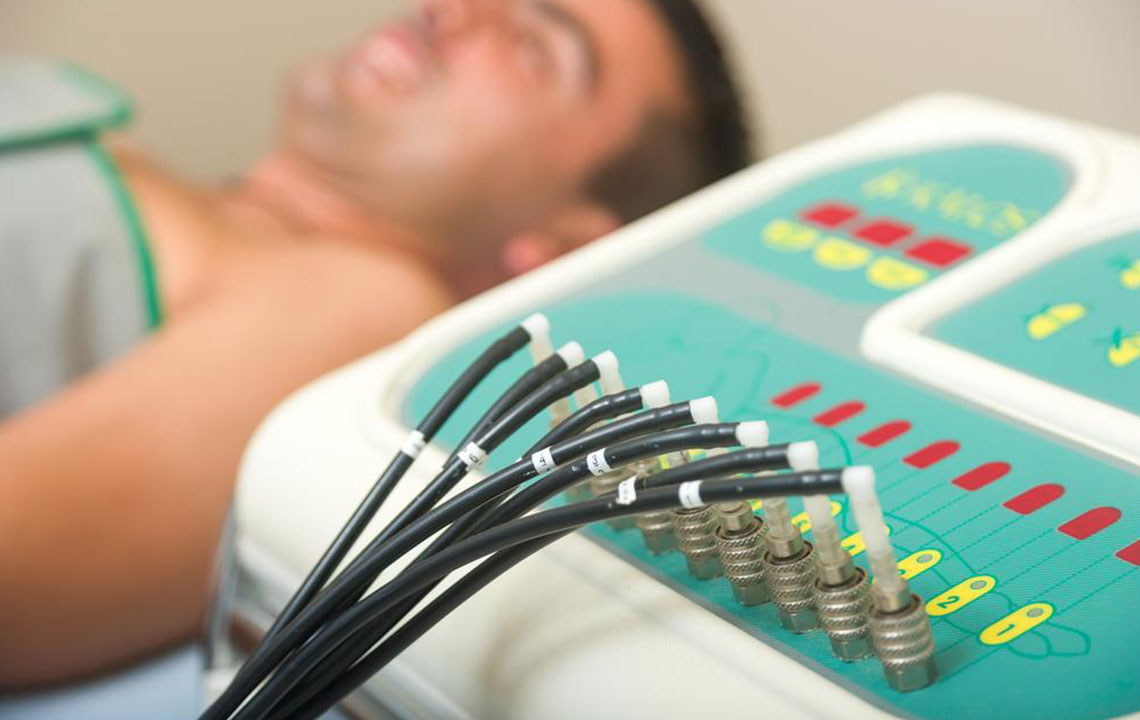
Some practices recommend chiropractic care, physical therapy, electrical muscle stimulation, or dietary supplements. Nonetheless, scientific evidence supporting these methods for scoliosis management is limited. Always seek a second opinion if such treatments are proposed. Conservative management primarily involves bracing, with exercises and yoga serving as supportive therapies to strengthen and improve flexibility.
While no cure is yet available, ongoing research provides hope for future breakthroughs. Adherence to prescribed therapies remains essential. Surgery is reserved for severe cases with rapid progression. Non-invasive options like bracing, physical activity, and posture correction help maintain quality of life. When necessary, surgical intervention aims to alleviate symptoms and restore function.