Your Complete Guide to Compact Oxygen Delivery Devices
This comprehensive guide explores portable oxygen therapy devices, including types like compressed cylinders, liquid oxygen systems, and concentrators. It highlights who benefits from oxygen therapy, how these devices work, and factors to consider when choosing suitable equipment. Designed for individuals with respiratory or cardiac conditions, this article emphasizes safety, portability, and effective oxygen delivery to improve quality of life.
Your Complete Guide to Compact Oxygen Delivery Devices
Mobile oxygen therapy devices are crucial for people dealing with breathing difficulties or medical conditions that reduce oxygen levels in the blood. These lightweight units are designed for easy portability, even suitable for children, ensuring consistent oxygen support during daily routines.
They come in various models, allowing selection based on budget and specific oxygen needs, whether constant or episodic support is needed.
Who Should Use Portable Oxygen?
Patients with respiratory illnesses like COPD, cardiac issues affecting breathing, or other conditions such as asthma, pneumonia, or sleep apnea may require supplemental oxygen. Symptoms such as shortness of breath, rapid heartbeat, confusion, or cyanosis could suggest low blood oxygen levels.
Physicians utilize tests like blood gas analysis, spirometry, X-rays, or CT scans to evaluate oxygen levels. Low readings typically lead to oxygen therapy, with tailored dosages and devices based on severity.
The air contains approximately 21% oxygen, with the remainder mostly nitrogen. When lung function declines, supplemental oxygen helps maintain adequate blood oxygen levels, supporting overall health.
Varieties of Portable Oxygen Equipment
Typically, portable oxygen sources are small cylinders worn on the back. Oxygen is delivered through nasal cannulas positioned near the nostrils for efficient inhalation.
Different Types of Portable Oxygen Devices
Common options include:
Compressed gas cylinders
These contain pressurized oxygen supplied via a cannula. They require replacement once empty, so users often carry multiple tanks for continuous use.
Liquid oxygen systems
These tanks store oxygen in a liquid state, offering increased capacity in smaller sizes. Upon release, the liquid converts to gas for breathing. Caution is needed due to extreme cold temperatures that pose injury risks.
Oxygen concentrators
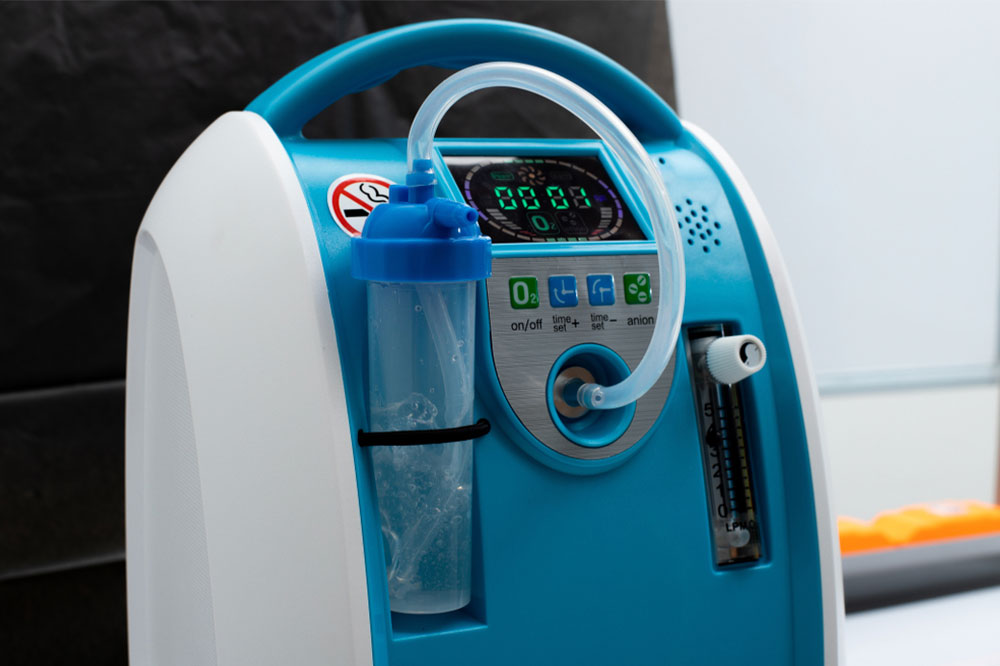
Available as stationary or portable devices, concentrators draw air from the environment and extract high-purity oxygen using a compressor and filters. Stationary models are suitable for home use, providing continuous flow, while portable versions offer pulse mode on the go, powered by electricity or batteries. They are safer as they do not store large oxygen amounts, making them travel-friendly, including on airplanes.
Device choice depends on cost, safety, and lifestyle preferences. Portable concentrators are popular for their safety and portability, but backup tanks may be necessary for uninterrupted oxygen supply.