Essential Insights into Shingles: Causes, Symptoms, and Management Strategies
This comprehensive guide explores shingles, highlighting causes, symptoms, and effective management techniques. It emphasizes the importance of early treatment with antivirals, discusses nerve pain and psychological impacts, and provides prevention tips. Suitable for older adults and those with weakened immunity, the article aims to educate readers on reducing risks and managing symptoms to improve quality of life.
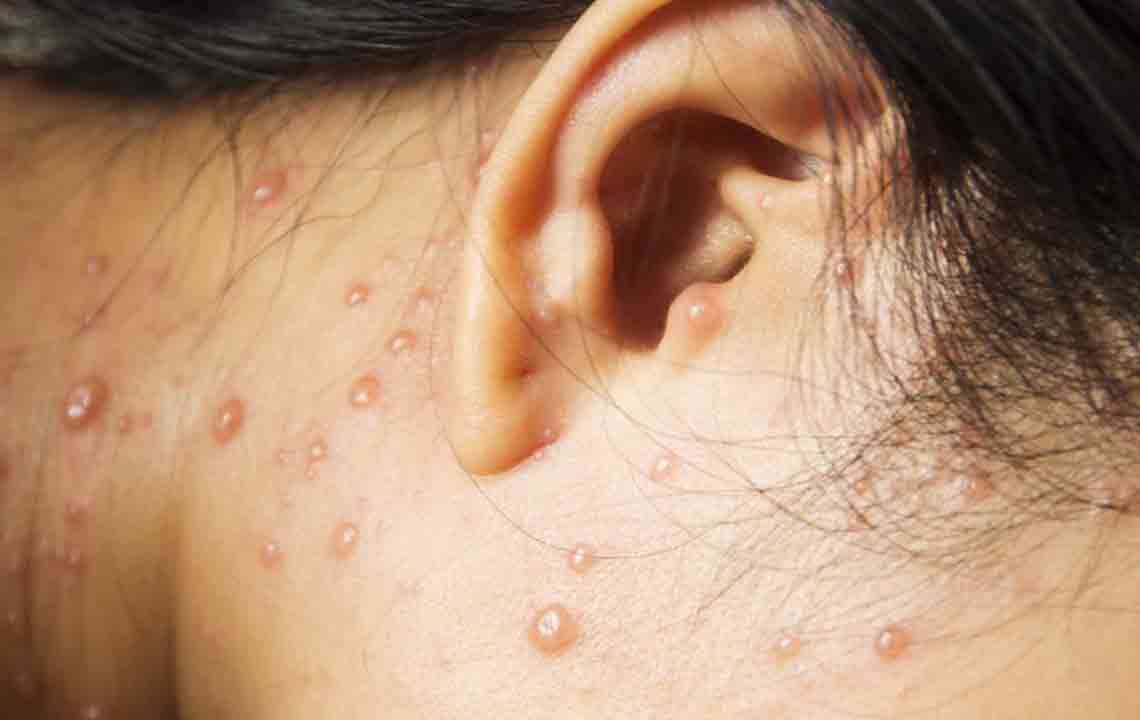
Shingles Overview: Causes, Signs, and Prevention Measures
Shingles is a distressing skin condition triggered by the reactivation of the varicella-zoster virus, the same virus that causes chickenpox. It presents as a rash forming a band or strip on one side of the body or face, predominantly affecting seniors or individuals with compromised immune systems. Most recover fully, but some may face recurrent outbreaks or persistent nerve discomfort known as postherpetic neuralgia (PHN).
The nerve discomfort associated with shingles can be severe, often characterized by sudden stabbing sensations or a constant burning sensation, especially during nighttime. Prompt and appropriate treatment can alleviate symptoms and prevent complications.
Neuropathic pain following shingles results from nerve damage inflicted by the virus. Symptoms may include intense pain, tingling, or numbness, and sometimes a decrease in sensation in the affected skin areas. Light touch or movement can trigger discomfort, complicating daily activities.
Factors increasing the likelihood of postherpetic neuralgia include advanced age, immune status, and mental health. Studies show that individuals with pre-existing psychological issues or social isolation are at greater risk. Warning signs such as tingling or itching may precede the rash, alerting to an upcoming outbreak.
The emotional impact of shingles can be profound, leading to heightened anxiety, depressive episodes, or personality shifts, which may intensify chronic pain. Support systems are essential to help reduce these psychological effects.
Prevention and early intervention are key. Antiviral drugs like valacyclovir, famciclovir, and acyclovir, if initiated within 72 hours of symptom appearance, can lessen the severity and duration of shingles and decrease PHN risk. Older adults, especially those above 50 with severe symptoms, should consider preventive vaccination. Using gentle skin care, topical treatments, and home remedies like baking soda can promote healing. Always follow your healthcare provider’s guidance for best results.
Important Reminder:
This article offers health insights based on current research but should not replace medical advice. Consult a healthcare professional for personalized diagnosis and treatment options.