Ultimate Guide to Keyboard Keycaps Principles and Materials
This comprehensive guide explores keyboard keycaps, their materials, manufacturing methods, and customization options. It covers popular plastics like ABS and PBT, innovative 3D printed and handcrafted keycaps, and special textures like rubber coatings. Learn how enthusiasts personalize their keyboards for better aesthetics and performance. An essential resource for keyboard hobbyists and tech fans interested in understanding keycap materials and options.
Ultimate Guide to Keyboard Keycaps Principles and Materials
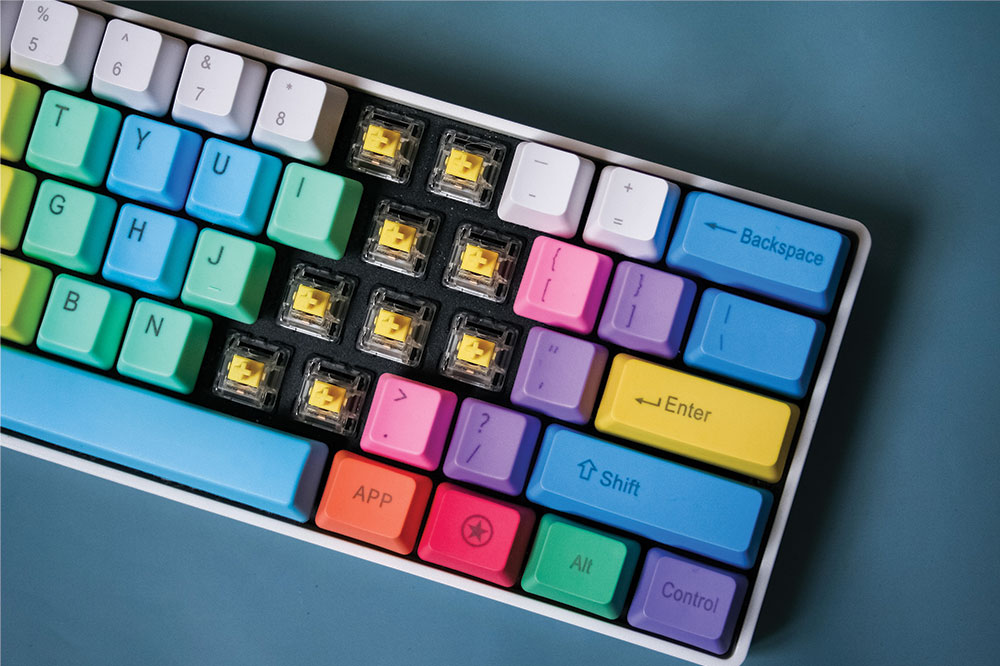
Keyboard keycaps are the plastic tops fitted onto switches, enabling users to press keys to input commands. They showcase characters, symbols, or functions aligned with each key. Enthusiasts often customize their keycaps, choosing from a variety of shapes, colors, and textures to personalize their typing experience. Custom keycaps are now a popular trend, combining aesthetic appeal with tactile comfort for keyboard fans worldwide.
Materials Used for Keycaps
The production of keycaps mainly relies on thermoplastic injection molding, where heated plastics are injected into steel molds. Different plastics are chosen based on desired qualities.
ABS:
Acrylonitrile butadiene styrene (ABS) is a prevalent plastic for keycaps, known for its affordability and widespread use. It’s easy to manufacture and cost-effective, making it a popular choice.
PBT:
Polybutylene terephthalate (PBT) is valued for its toughness and resistance to shine over time. PBT keycaps typically have a textured feel and are favored in aftermarket collections despite higher costs.
3D Printing and Handcrafted Keycaps:
Advances in 3D printing technology facilitate the creation of custom keycaps in various shapes and colors. Users can produce unique designs tailored to their preferences with a 3D printer. Hand-carving by artisans involves molds and resin casting, resulting in exclusive, artistic pieces that are often collectible and costly.
POM:
Polyoxymethylene (POM) is seldom used due to its durability paired with a slippery texture, limiting its market presence.
Rubber Coated Keycaps:
These plastics feature a rubber overlay for improved grip, favored by gamers who require better control during intensive gameplay.
Disclaimer:
Our blog provides comprehensive info on various topics to assist readers with research and insights. However, articles should not be considered absolute, and we disclaim responsibility for any inaccuracies. Please verify information independently for the most accurate data online.