Ultimate Tips for Managing Gout Effectively and Preventing Flare-Ups
This comprehensive guide offers essential strategies for managing gout effectively. It covers diagnosis, medication options, and lifestyle changes including diet and exercise to prevent flare-ups and joint damage. Proper treatment adherence and dietary adjustments are key to controlling uric acid levels and reducing pain. The article also touches on surgical considerations for severe cases, emphasizing an integrated approach for long-term relief and joint preservation.
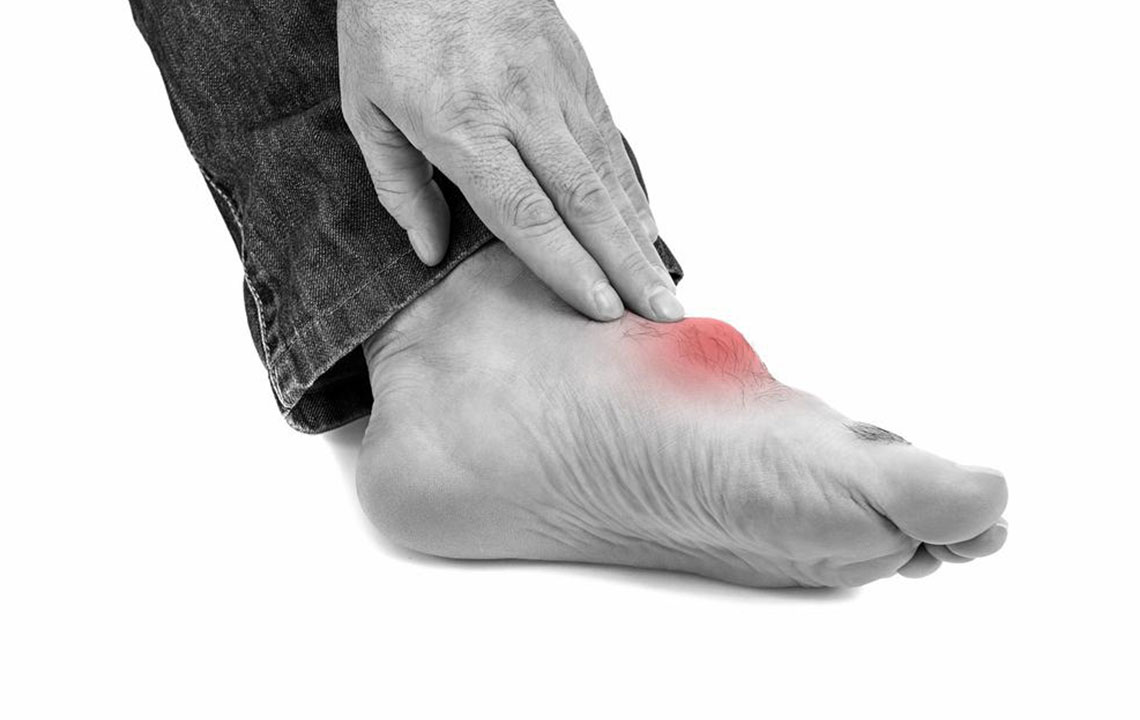
Ultimate Tips for Managing Gout Effectively and Preventing Flare-Ups
Gout is a painful form of arthritis caused by high uric acid levels, leading to sudden joint inflammation. It commonly impacts the big toes, fingers, knees, and elbows, causing symptoms like intense pain, swelling, redness, and stiffness. If unmanaged, recurring attacks can damage joints and tissues permanently. Diagnosis involves physical exams, joint fluid analysis to identify uric acid crystals, and blood tests to check uric acid levels.
Controlling gout requires a combination of medication and lifestyle changes. Short-term relief is achieved with NSAIDs such as naproxen, indomethacin, and ibuprofen. Severe cases may involve corticosteroids. For ongoing management, uricosuric drugs and uric acid inhibitors help keep uric acid levels in check and prevent future episodes.
It’s vital to follow prescribed treatments diligently and avoid unapproved OTC medicines without medical advice. Dietary modifications include consuming low-purine foods like vegetables, low-fat dairy, citrus, and whole grains, while reducing alcohol, red meats, and shellfish can decrease attack frequency. Regular, gentle exercise like walking and stretching supports joint health. In advanced cases, surgical options may be considered.
Combining medication with healthy lifestyle choices offers the most effective way to manage gout and protect joint health.