Advancements and Careers in Electronic Technology and Computing
Explore the history, types, and significance of electronics and computers, along with diverse career paths in this dynamic industry. Discover how these technologies influence daily life, healthcare, and industry, and learn about opportunities for professionals in electronics and computing fields.
Advancements and Careers in Electronic Technology and Computing
Electronic gadgets and computers are essential parts of modern life. We rely on devices like smartphones, cars, TVs, cameras, gaming consoles, laptops, and health monitoring tools daily. Many people are unaware of their history, diverse types, and the broad range of applications beyond personal use across various sectors. Read on to learn about the origins of computers, different classifications, and career opportunities in this ever-evolving field.
The Importance of Computing and Electronic Devices Our daily routines depend heavily on electronic systems. It's hard to imagine life without mobile phones, automobiles, or medical devices. These technologies simplify tasks such as booking tickets or managing healthcare through precise diagnostics. Electronics are also a vital engineering discipline, fostering innovation that shapes future advancements.
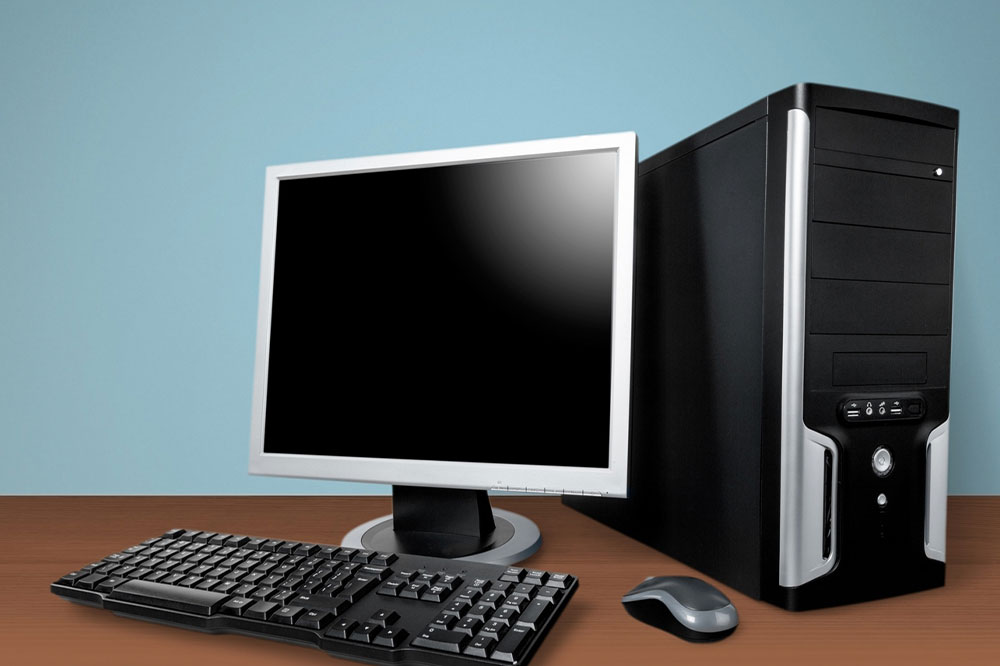
Are computers electronic devices? Yes. Computers are complex electronic systems that process raw data with software to generate meaningful output. They consist of electronic components and require electrical energy to function.
Evolution of Electronic Computers While computers are ubiquitous now, their development is recent. Charles Babbage, an English mathematician, designed the first mechanical computer around 1812. Collaborating with Ada Lovelace, a mathematician and programmer, he laid the groundwork for programmable machines. Though Babbage never built a complete device, he's recognized as the 'Father of Computing' due to his visionary ideas.
Categories of Modern Computers Before digital computers, analog systems served specific purposes but are now largely obsolete. Today's digital computers fall into four main types:
Microcomputers: Compact, affordable devices such as smartphones, digital watches, and household appliances featuring microprocessors, memory, and input/output interfaces.
Minicomputers: Slightly larger systems used mainly in industry for multitasking and processing multiple tasks simultaneously.
Mainframe Computers: Large-scale systems designed for organizations to handle extensive data processing efficiently, often via centralized servers.
Supercomputers: The most powerful computers capable of performing billions of calculations per second, used for weather modeling, scientific research, and complex simulations.
Career Opportunities in Electronics and Computing The growing dependence on electronic and computing technologies offers numerous job prospects. Enthusiasts can pursue careers from technician to engineer and researcher roles. Fields like robotics, industrial electronics, and information technology provide lucrative and evolving career paths, with many opportunities for advancement and specialization.
Note: Our blog provides valuable insights across various topics. While aimed at informing readers, the content should not be taken as absolute or definitive. We are not responsible for inaccuracies or discrepancies with other sources and do not guarantee access to all offers or schemes mentioned.