Recognizing Causes and Natural Strategies to Manage Heart Failure
This article explores the causes of heart failure and highlights natural remedies to promote heart health. It discusses the importance of lifestyle factors like diet, exercise, and supplementation, guiding readers on early symptom recognition for better outcomes. Practical and accessible, these natural strategies can help reduce the risk and improve the quality of life for those affected by heart failure.
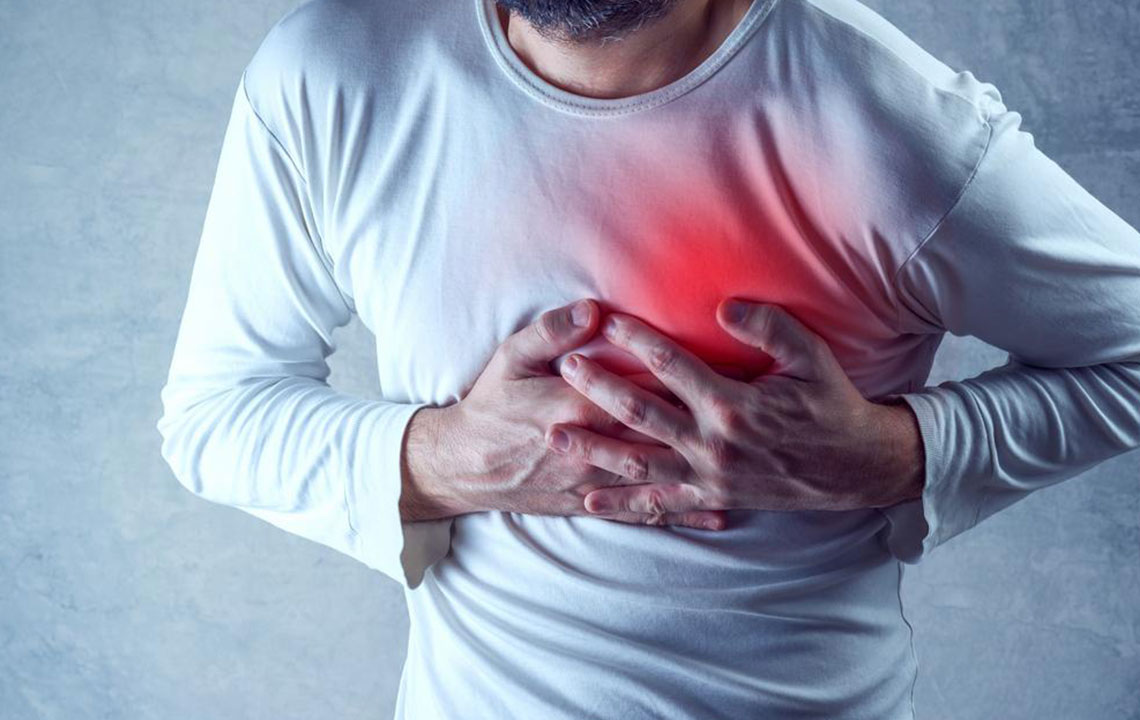
Recognizing Causes and Natural Strategies to Manage Heart Failure
Heart failure occurs when the body's tissues and organs receive inadequate blood flow and oxygen. The heart, essential for circulating blood, pumps deoxygenated blood to the lungs for oxygenation and then distributes oxygen-rich blood throughout the body. Damage or poor functioning of the heart’s pumping ability leads to heart failure, often caused by various health issues. Adopting natural methods can play a key role in lowering the risk of this condition.
Here are four proven natural approaches to support heart health. Keeping a healthy lifestyle—through a balanced diet and regular physical activity—is vital for preventing and managing heart problems. Always seek medical advice before making significant lifestyle changes or trying new remedies.
Natural remedies such as eating omega-3 rich fish oils can promote healthy heart rhythms and prevent arrhythmias. Ensuring sufficient vitamin D intake from sources like dairy, fish, eggs, or supplements may also boost cardiovascular health. Following a heart-friendly diet—low in sodium and processed foods, high in fruits and vegetables—can help avoid complications. Regular exercise, adapted to individual capacity, strengthens the heart and reduces failure risk. Incorporating these natural practices into daily life is crucial, especially since over 5 million Americans live with heart failure, with nearly 287,000 deaths annually. Early recognition of symptoms like chest pain, fatigue, and breathing difficulty can lead to timely medical intervention and improved outcomes.
Main Causes of Heart Failure:
Blocked or narrowed coronary arteries impair oxygen delivery to the heart muscle. Heart attacks can cause sudden artery blockages, damaging the heart. Excessive alcohol intake and drug misuse can weaken cardiac muscles over time, leading to cardiomyopathy. Conditions such as high blood pressure, valve issues, thyroid problems, and diabetes increase strain on the heart, potentially resulting in failure. Recognizing symptoms like chest discomfort, fatigue, shortness of breath, and dizziness is key for early diagnosis and treatment.
Symptoms and Warning Signs: Ongoing chest pain, tiredness, rapid heartbeat, and breathing difficulties are typical signs. Sudden difficulty performing physical activity, dizziness, or a rapid decline in appetite may indicate worsening heart function. Breathlessness, especially during exertion or when lying down, is a crucial warning. Prompt medical attention upon noticing these signs is essential for effective management of heart failure.