Comparison of the Latest iPhone 12 and iPhone 11: Key Features and Upgrades
Discover the key differences between the iPhone 12 and iPhone 11, including 5G connectivity, camera enhancements, display upgrades, and powerful processing. Learn which features set the latest model apart and why it’s a worthy upgrade for Apple fans.
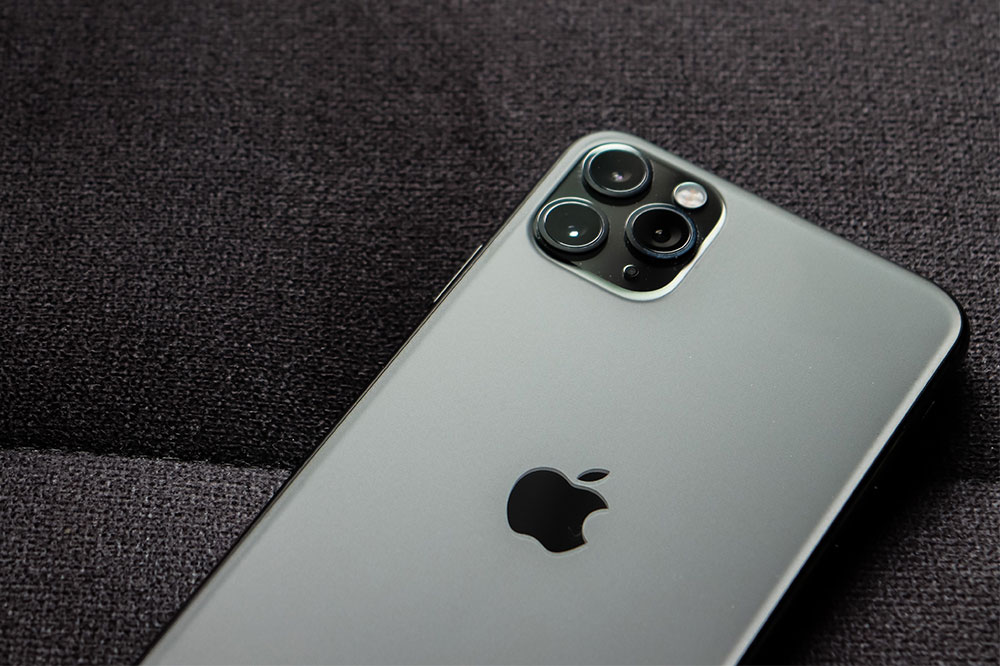
Apple’s newest release, the iPhone 12, introduces several significant improvements over its predecessor, the iPhone 11, which is now available at a reduced price. This article highlights the main differences and upgrades between the two devices.
Next-Generation 5G Connectivity
The iPhone 12 supports 5G networks, enabling faster internet speeds, rapid downloads, and smoother streaming experiences. Conversely, the iPhone 11 operates solely on 4G LTE connectivity. The 5G capability is now accessible internationally, broadening high-speed access beyond the United States.
Enhanced Camera and Video Recording
The iPhone 12 improves content creation with Dolby Vision HDR video recording at 30 fps. While both models feature Ultra Wide and Wide lenses, the iPhone 12’s Ultra Wide lens includes lens correction technology, resulting in sharper and more vibrant photos.
Display Improvements
Both phones feature 6.1-inch screens, but the iPhone 12 offers a higher-resolution display at 2532×1170 pixels and 460 ppi, compared to the iPhone 11’s 1792×828 pixels and 326 ppi, delivering a more vivid and immersive viewing experience.
Updated Processor
The iPhone 12 is powered by the new A14 Bionic chip, built on a 5-nanometer process, making it the fastest mobile processor available. In comparison, the iPhone 11 uses the A13 Bionic chip, which was industry-leading at its time.