Distinguishing Between Fitness Coaches and Personal Trainers
Explore the differences between fitness coaches and personal trainers to inform your career choices. This guide details roles, qualifications, and responsibilities to help you understand both fitness professions clearly.
Key Differences Between Fitness Coaches and Personal Trainers
Thinking about a career in health and wellness? You might often hear the terms fitness coach and personal trainer used interchangeably. However, these roles have distinct responsibilities and skill requirements. This article clarifies the main differences to help you understand the profession better.
Role of a fitness coach
Fitness coaches generally work in gyms or fitness centers, guiding members on proper equipment use such as weights and cardio machines. They often develop workout plans to ensure safe and effective exercise routines.
What about a personal trainer?
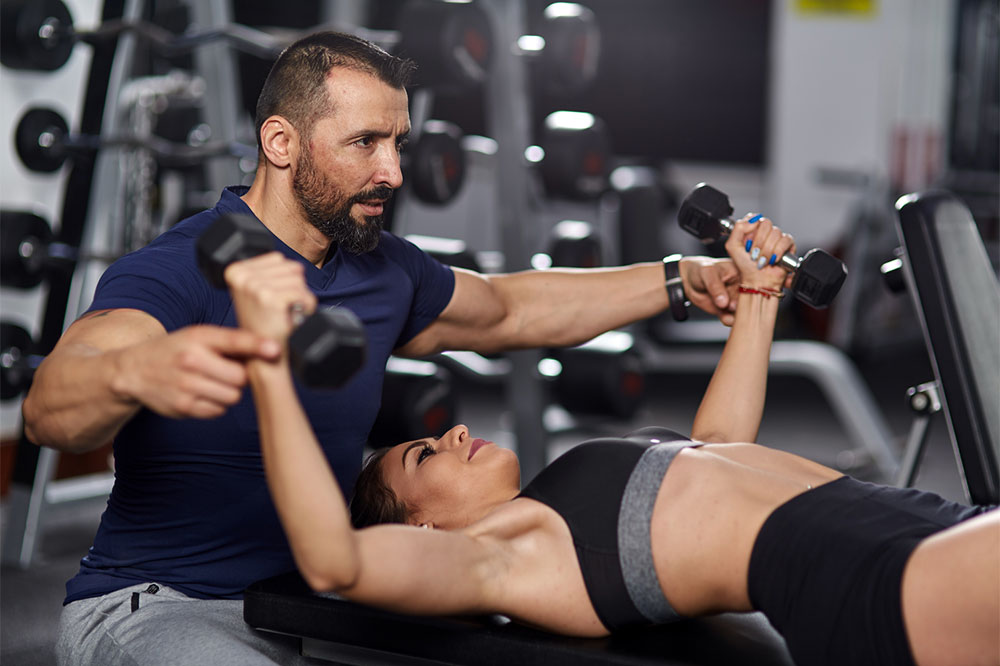
Clients hire personal trainers for customized fitness and nutrition guidance, aimed at attaining specific health goals. Trainers work closely with clients to foster long-term habits and ensure consistent progress, often over an extended period.
Personal trainers require in-depth exercise knowledge and understanding of behavior psychology. They motivate clients through tailored programs and ongoing support for sustainable results.
Supporting long-term health improvements, personal trainers help clients reach their goals gradually.
Credential differences
Fitness coaches
Entering this role typically requires completing an accredited Level 2 Gym Instructor Course, known as the Level 2 Certificate in Fitness Instruction.
Personal trainers
Certification at Level 3 in Personal Training is essential. Advanced certifications like Level 4 can enhance earning potential. Personal trainers can conduct personalized sessions and craft bespoke fitness plans.
Role responsibilities comparison
Fitness coaches
Usually working within gyms or independently, they run group classes, oversee equipment, and ensure exercises are performed safely. They assist new members, maintain gym equipment, and often serve as gym instructors before specializing further. They typically do not build ongoing client relationships.
Personal trainers
Focused on individualized health objectives, they develop tailored programs based on initial assessments. They can operate outside gym environments, offering flexible training locations, and provide motivational support to keep clients engaged and progressing.
Choosing your career path
While similar, the main distinction is that personal trainers require advanced skills for customized training, whereas fitness coaches focus on technique and safety. Starting as a fitness coach can be a good entry point, especially for newcomers to the industry.