Gout Explained: Causes, Symptoms, and Treatment Strategies
Discover comprehensive insights into gout, including its causes, symptoms, diagnosis, and effective treatment options. Learn how to manage and prevent flare-ups through lifestyle changes and medication strategies for better joint health.
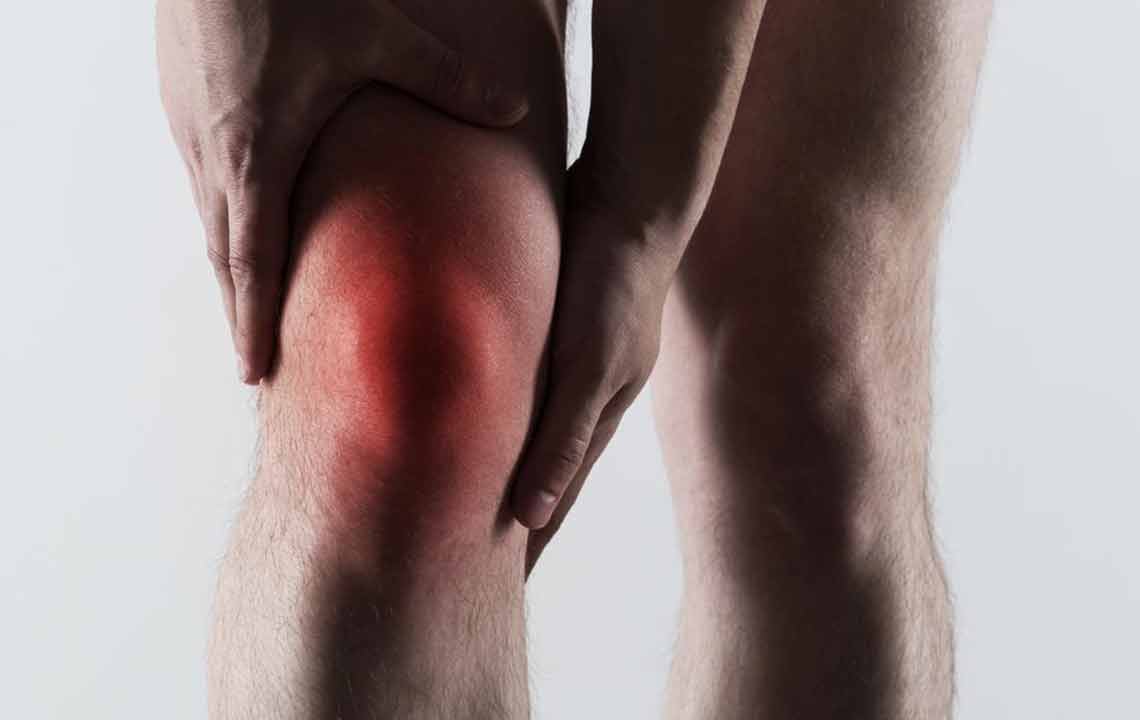
Gout Overview: Causes, Symptoms, and Management
Gout is a type of arthritis resulting from high levels of uric acid in the blood, leading to crystal buildup in joints. It often targets the big toe but can also affect the ankle, knee, wrist, or elbow.
The condition presents with sudden, intense pain, redness, and swelling around the affected joint. Attacks last from 3 to 10 days, with the most severe symptoms occurring within the first 36 hours. Afterward, periods of remission are common.
At-Risk Populations: Men over 40 are most affected, with men being three times more likely than women. Post-menopausal women are also at risk. Factors increasing susceptibility include obesity, alcohol intake, family history, certain medications like diuretics, and health issues such as hypertension, heart disease, diabetes, or high cholesterol. Gastric bypass surgery can also elevate risk.
Causes of Gout: Uric acid forms when the body breaks down purines, substances found in foods such as seafood, red meats, and sugary beverages. Normally, uric acid dissolves in blood and is eliminated via urine. Excess production or reduced elimination leads to crystal formation in joints, causing gout. Chronic high uric acid levels can also result in tophi, disfiguring lumps, or kidney stones.
Diagnosis Methods: Joint fluid analysis for urate crystals, blood tests measuring uric acid and creatinine, X-rays, ultrasounds for crystal detection, and dual-energy CT scans during inflammation help confirm gout and rule out other conditions.
Managing Gout Attacks: Rest, joint elevation, and NSAIDs can alleviate symptoms during flare-ups. Professional medical guidance is essential before starting any medication.
Preventative Measures: Maintain a healthy weight, avoid fasting, exercise regularly, limit alcohol and purine-rich foods, and consult your doctor about medications to keep uric acid levels in check.
Medications: Short-term remedies like NSAIDs, colchicine, and corticosteroids manage acute pain. Long-term treatments, such as uricosuric agents, xanthine oxidase inhibitors, colchicine, and pegloticase, help lower uric acid production and decrease attack frequency. Following medical advice ensures optimal results.