Comprehensive Overview of Managing Heel Pain from Plantar Fasciitis
This comprehensive guide covers causes, symptoms, diagnosis, and effective treatments for plantar fasciitis. Learn how supportive footwear and custom orthotics can alleviate heel pain caused by this common condition, emphasizing early intervention for better mobility.
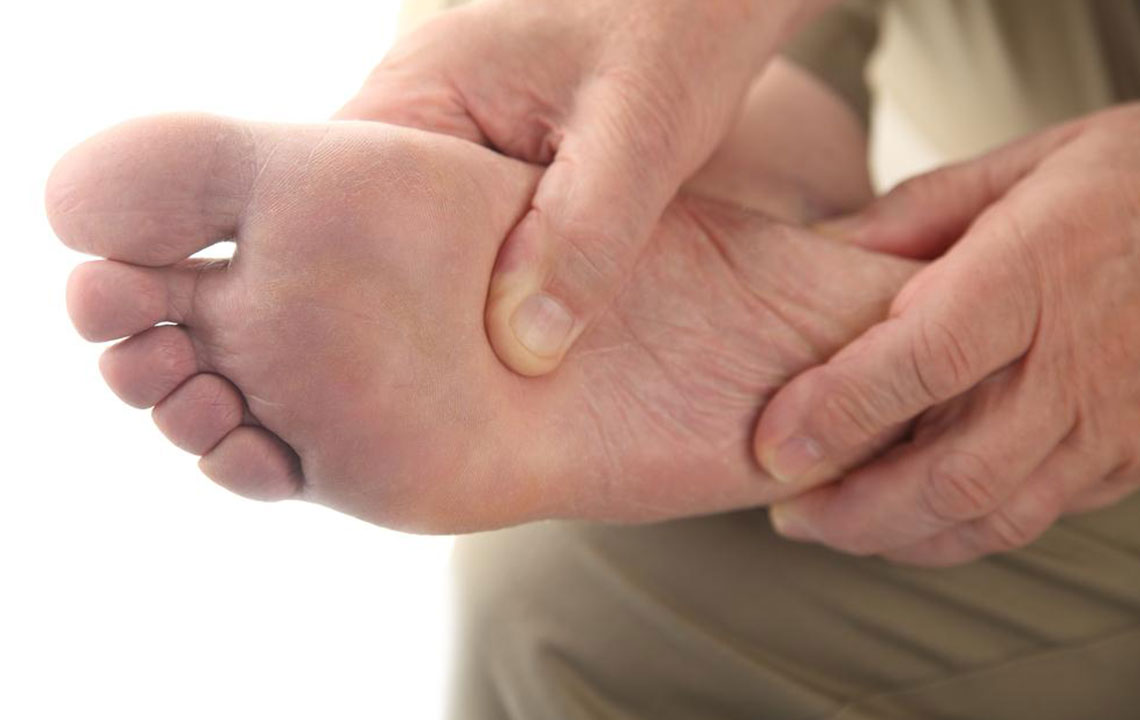
Understanding and Treating Plantar Fasciitis
Ongoing discomfort in the foot can be overlooked until symptoms become severe. Often mistaken for simple overexertion or minor injuries, persistent heel pain may signal plantar fasciitis, an inflammation of the tissue band connecting the heel to the toes.
This condition develops from repetitive stress, leading to tightening, tearing, and inflammation of the plantar fascia. Common symptoms include heel and arch pain, especially after waking or prolonged standing. Fortunately, treatments like supportive orthotics can help reduce discomfort.
The main cause is excessive strain on the plantar fascia. Contributing factors include inadequate arch support, sudden weight fluctuations, high physical activity levels, weak foot muscles, tight calf muscles, and underlying arthritis. Pain typically occurs in the heel, arch, or midfoot regions.
Diagnosing Plantar Fasciitis
To assess for plantar fasciitis, observe if foot pain intensifies after waking or long periods of activity. An X-ray can identify bone spurs—small bony growths under the heel. Foot specialists may conduct examinations by applying pressure to identify tender areas. Ongoing pain should lead to medical consultation to prevent mobility issues from worsening.
Prevention and Care Methods
Managing plantar fasciitis involves proper footwear and orthotic devices. Recommendations include:
Choosing shoes with firm arch support
Wearing shoes with shock-absorbing heel cushioning
Selecting footwear with adequate forefoot padding
Using custom or over-the-counter inserts designed for heel support
What Are Plantar Fasciitis Orthotics?
Orthotic insoles help reduce strain on the plantar fascia while standing or walking. Available in materials such as plastic, rubber, or felt, they can be custom-made or purchased off-the-shelf. Custom insoles are molded to fit individual feet for tailored support but are more expensive. It’s advisable to try different options before deciding on the best fit.
Note:
We aim to provide trustworthy information; however, always seek advice from healthcare professionals for accurate diagnosis and personalized treatment plans. We disclaim responsibility for any discrepancies or alternative options suited to individual needs.