Healthy Eating Strategies for a Better Life
Discover practical tips for incorporating healthy foods into your daily routine. Learn how to balance nutrient intake, reduce salt and carbohydrate consumption, and make smarter food choices despite busy schedules. This guide helps you adopt a nutritious lifestyle easily and sustainably.
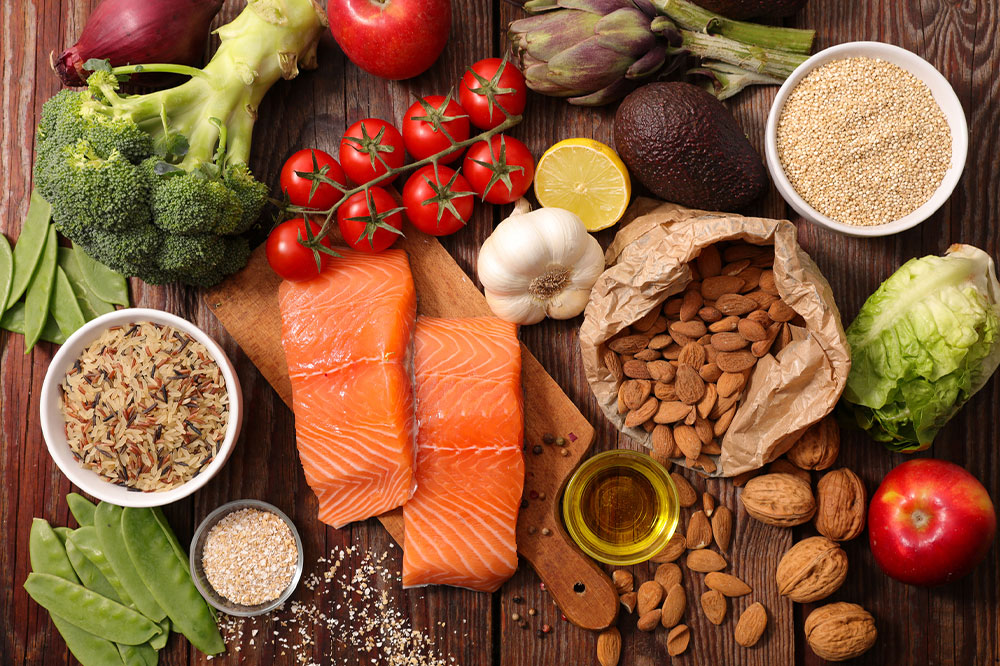
Integrating Nutritious Foods into Your Daily Habits
Our modern lifestyles have significantly altered how we approach daily living and diet. As we adapt to a fast-paced world, our habits and nutritional needs shift quietly but impactfully. The way we handle daily routines and self-care greatly influences our overall health.
With busy schedules, finding time for nutritious meals can be challenging.
Many individuals are caught in a rush against time, relying on quick bites to keep up. As young adults leave home for education or work, their dietary choices often shift towards convenience foods, notably fast food, due to ease and affordability.
Eating patterns tend to change rapidly, especially with the popularity of food trucks and fast-food chains. Many resort to processed and snack foods that are quick, cheap, and readily available. This reliance is driven by accessibility, cost, and the immediate satisfaction these foods provide.
Health experts stress the importance of incorporating nutritious options into daily eating habits. Advances in food production have introduced a variety of healthy choices—such as low-carb cereals, high-fiber snacks, and low-calorie products—making nutritious eating easier without sacrificing convenience.
A fundamental aspect of a balanced diet is moderating carbohydrate intake found in bread, rice, pasta, and potatoes—staples in many diets. While carbs are essential, excessive consumption can lead to weight gain and health issues. Fortunately, many brands now offer low-carb snack options that are portable, affordable, and satisfying, facilitating healthier snacking routines.
Recent studies point to the adverse effects of high salt intake, mainly due to sodium. Although salt enhances flavor, too much can raise blood pressure risks. Many processed foods now come with low-sodium variants, helping consumers manage salt intake and improve health outcomes.
Making healthy eating a consistent part of life is both feasible and rewarding, achievable through small, mindful food choices.