Timing Your Conception: Key Factors for Fertility Success
Learn about the optimal timing for conception by understanding the menstrual cycle, ovulation, and fertile windows. This guide helps women plan pregnancy effectively, increasing the chances of successful conception. Knowing when ovulation occurs and how to time intercourse can significantly improve fertility outcomes and optimize pregnancy planning.
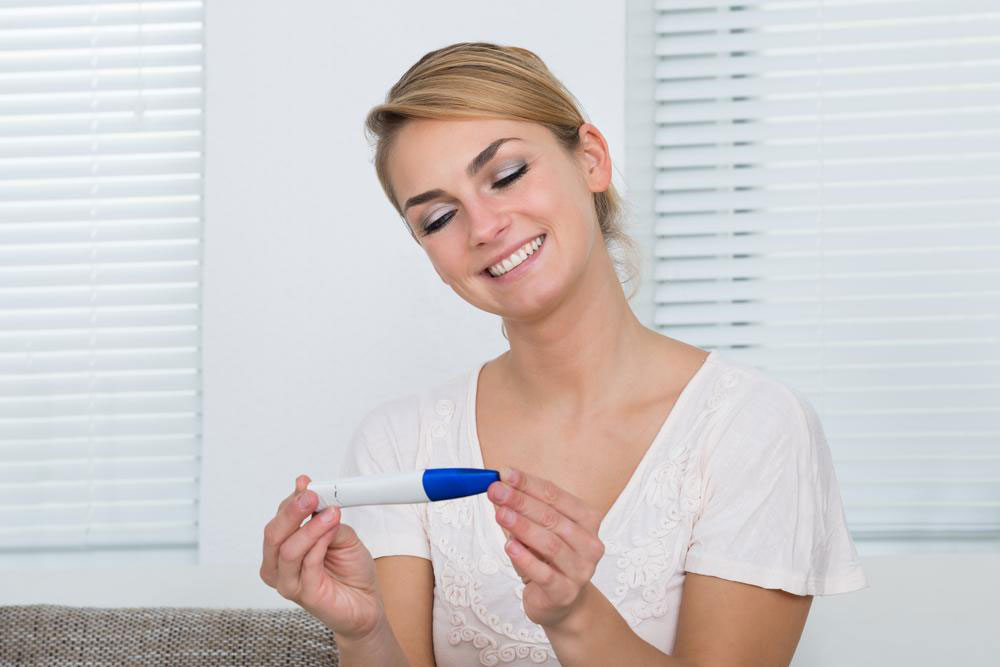
Timing Your Conception: Key Factors for Fertility Success
Conception happens when a man's sperm fertilizes a woman's egg, resulting in implantation in the uterus. Some women conceive quickly, while others may take longer. Research indicates that approximately 80% of couples become pregnant within a year of trying.
Understanding the female menstrual cycle is essential for planning pregnancy.
The cycle begins on the first day of menstruation, lasting 2 to 5 days or more for some women.
Following menstruation, ovulation occurs, releasing eggs from the ovaries, typically around 12-14 days before the next period. The optimal conception window is during this time.
Ideal time for pregnancy
Fertility peaks within a day or two after ovulation when intercourse is most effective. Ovulation lasts about 14 days in a standard 28-day cycle, starting after menstruation begins.
In a typical 28-day cycle, an egg remains viable for only 24-48 hours. Tracking ovulation and timing intercourse during this fertile phase enhances chances of conception. Sperm can survive up to 7 days in the reproductive tract, so frequent intercourse during this period is recommended. Fertilization happens in the fallopian tubes, where sperm meets the egg.
During ovulation, the uterine lining thickens to support potential pregnancy, while cervical mucus becomes thinner to assist sperm movement. Fertilization occurs in the fallopian tubes, with the resulting embryo traveling to the uterus for implantation.