Identifying Insect Bites and Stings: A Practical Guide
This guide helps recognize signs of different insect bites and stings, emphasizing prompt first aid and when to seek medical attention. It covers bites from bed bugs, spiders, mosquitoes, fleas, and flies, offering key symptoms to identify each type. Proper recognition ensures effective treatment and reduces health risks associated with insect bites. Always consult healthcare professionals for precise diagnosis and care.
Identifying Insect Bites and Stings: A Practical Guide
Insects and bugs tend to bite or sting when they feel threatened or provoked. Spiders, bees, and wasps will act defensively if disturbed, while insects like bed bugs, mosquitoes, ants, and fleas may bite unexpectedly. Providing quick first aid is crucial to prevent infections and health complications. Recognizing the specific nature of a bite is vital for choosing the correct treatment to alleviate symptoms.
By understanding common symptoms, you can select the most effective remedy to ease discomfort.
Here are typical signs to help you identify insect bites. If your symptoms match, seek medical advice promptly for proper care.
Bed bug bites: Appear as swollen, red skin areas with a dark spot, often grouped or in a line. Checking online images can aid in identification.
Spider bites: Usually cause blisters, ulcers, or two tiny puncture wounds, accompanied by pain, cramps, sweating, headache, muscle aches, purple skin, and redness. These symptoms distinguish spider bites from others.
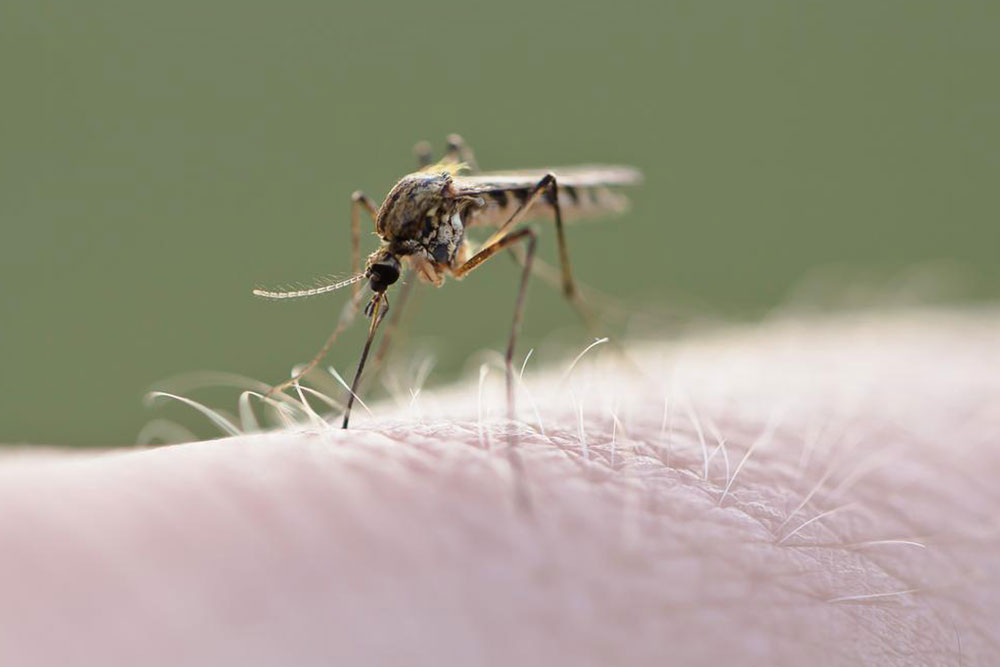
Mosquito bites: Characterized by itching, round raised bumps, redness, and sometimes multiple bites close together. Burning sensations and swelling may occur afterward.
Flea bites: Commonly found on feet and lower legs, with itchy red bumps surrounded by a reddish halo.
Fly bites: From sand flies, tsetse flies, or deer flies, leading to red bumps or blisters that are often painful and susceptible to infection, as these flies feed on blood.
Disclaimer: Our blog provides practical, researched information but does not replace professional medical advice. Always consult a healthcare professional for accurate diagnosis and treatment. We are not responsible for any inaccuracies or missing details from various sources.