The Evolution of the iPhone 10 Series: Key Features and Innovations
Explore the groundbreaking features and evolution of the iPhone 10 series, including the shift from Home Button to gesture controls, OLED displays, and Face ID. Discover how these innovations set the stage for future models and redefined smartphone design, performance, and security for Apple fans and tech enthusiasts alike.
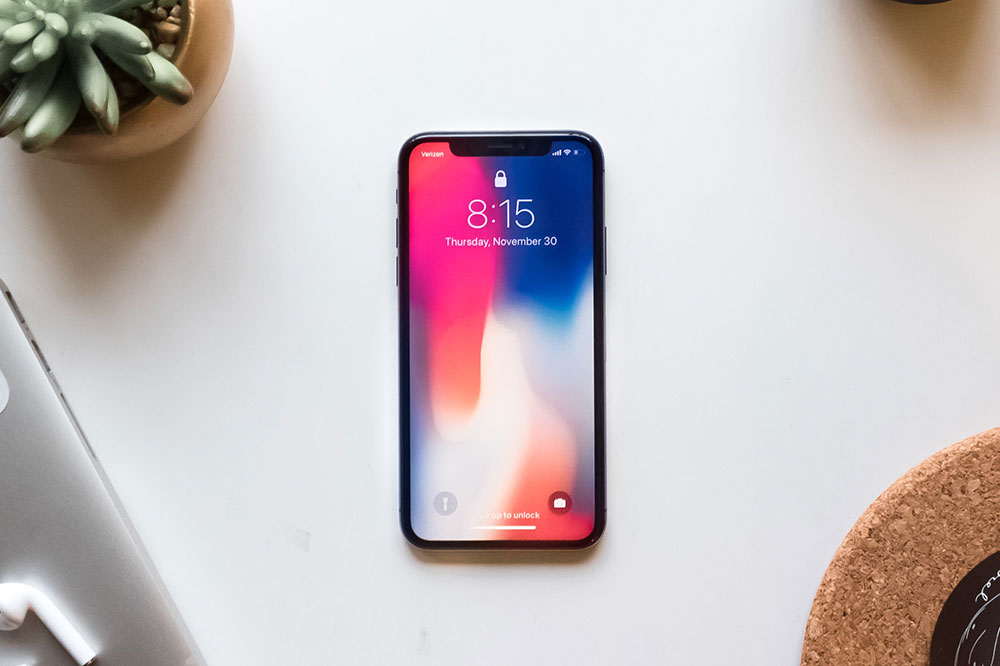
The iPhone series has revolutionized mobile technology since its launch. Debuted by Steve Jobs in 2007, the original model brought multi-touch screens and advanced photography features. Apple’s innovation peak came with the 2017 release of the iPhone X, which introduced groundbreaking design and functionalities. This device set new standards, impacting future models. Let's delve into the main features of the iPhone X and its subsequent variants.
iPhone X
This model was the first to remove the Home Button, replacing it with gesture-based navigation. It showcased a 5.8-inch OLED edge-to-edge display, delivering vivid colors and high contrast compared to earlier LCD screens.
OLED technology improved color fidelity and was more efficient power-wise.
Face ID replaced Touch ID for biometric security.
The front camera, housed within the notch, supported 3D facial recognition using infrared sensors, even in low-light conditions.
The rear featured dual cameras—a telephoto and wide-angle lens—and a stainless-steel frame for durability.
Additional features included water resistance and wireless charging.
Launched at around $999, it was positioned as a premium flagship device.
The 2018 lineup expanded to include iPhone Xs, Xs Max, and XR. The Xs retained the original design but introduced faster processors, enhanced water resistance, improved HDR capabilities, bigger storage options, and dual SIM support, priced approximately at $999. The Xs Max had a larger 6.5-inch display, retailing at around $1,099. The XR offered a more affordable alternative at about $749, with a 6.1-inch LCD screen, single camera, aluminum frame, and multiple colors, though with slight compromises on display clarity and camera features. These models built upon the innovations of the iPhone X, shaping Apple’s future design language and features.
Overall, the iPhone X marked a pivotal transition, introducing features like OLED screens and Face ID that have become industry standards. Consumers seeking premium specs could choose the Xs series, while budget-conscious users appreciated the XR’s value. The progression from the iPhone X onward emphasizes Apple’s dedication to innovation, performance, and user experience.
Disclaimer: Our blog provides diverse insights and reliable information across various topics. While we aim to share accurate data, readers should view our content as a helpful reference. The website isn't responsible for changes or discrepancies from other sources. Some deals and offers might not be up-to-date or included.