Comprehensive Guide to Hand-Foot-and-Mouth Disease: Causes and Symptoms
Learn about hand-foot-and-mouth disease, including its causes, symptoms, and ways to manage the infection. Recognizing early signs like fever, mouth sores, and rashes is essential for timely treatment. The disease primarily affects children but can also impact adults, spreading easily through close contact. Effective management helps alleviate discomfort and speeds recovery.
Understanding Hand-Foot-and-Mouth Disease: Causes and Manifestations
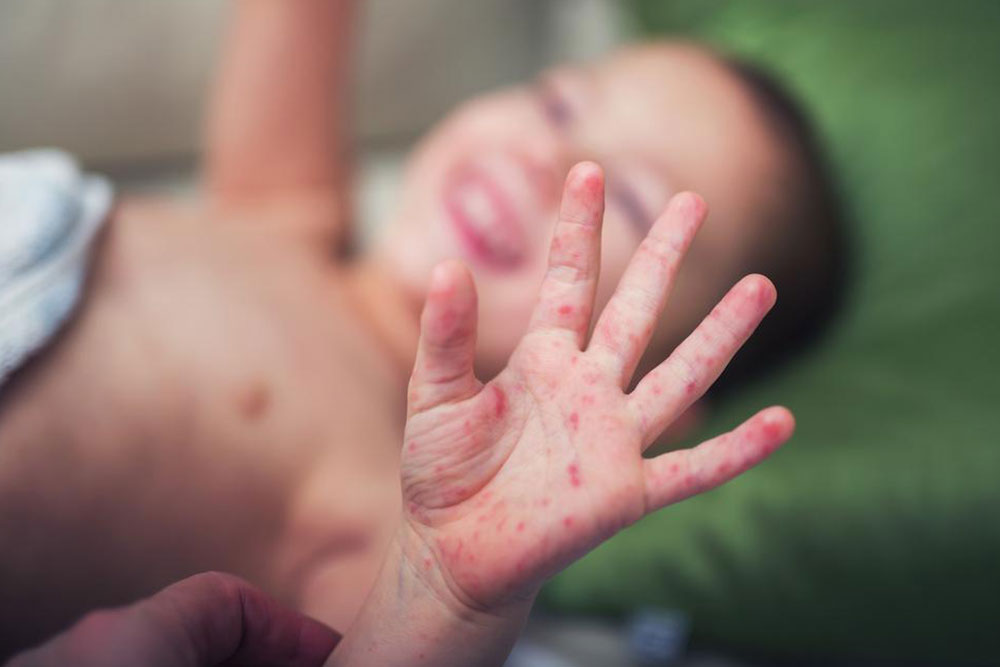
Even with good nutrition and a healthy lifestyle, illnesses like colds prevail. While adults often stay safe due to strong immunity, children are more susceptible. Hand-foot-and-mouth disease is a common contagious illness affecting mainly young children but can also infect adults. It presents with painful blisters on the hands, feet, and mouth, occasionally extending to the legs and buttocks.
What Causes Hand-Foot-and-Mouth Disease?
This illness is primarily caused by the coxsackievirus A16, a non-polio enterovirus. It spreads through contact with an infected person, especially via coughs or sneezes, making it highly contagious. The virus transmits easily in close-contact environments, particularly among children.
Identifying the Symptoms of the Disease
The initial signs include fever, sore throat, and the appearance of red blisters on the hands, feet, mouth, legs, and buttocks. Recognizing these early symptoms helps in prompt treatment. Key indicators encompass:
Fever: A high fever from 101°F to 103°F often signals the start, with other symptoms emerging after around three days.
Sore Throat: Painful, raw throat discomfort may arise after exposure, making swallowing challenging.
Blisters and Sores: Red, painful blisters develop on the skin and inside the mouth, affecting movement and eating. Fluid from these blisters is infectious and can spread the virus.
Loss of Appetite: Patients, especially children, frequently lose their desire to eat due to mouth sores and discomfort.
While uncomfortable, proper medication and care can alleviate symptoms and facilitate recovery.