Next-Generation Vehicle Navigation Using Advanced GPS Technology
Discover how advanced GPS navigation systems optimize vehicle routing with real-time traffic updates, precise satellite positioning, and user-friendly features. Learn about system components and how they enhance driving safety and efficiency. Perfect for drivers seeking smarter navigation solutions.
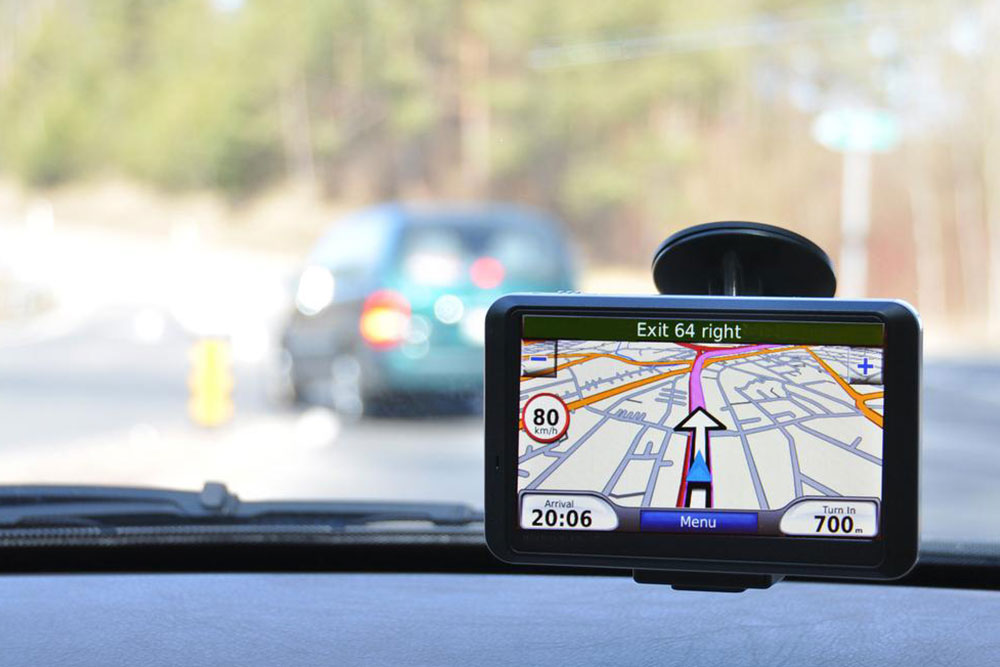
Modern Vehicle GPS Navigation Systems
In today's driving environment, GPS technology is essential for safe and efficient navigation. Many drivers turn to smartphone apps with GPS features, though these often depend on internet connectivity. Dedicated vehicle navigation systems offer a range of functionalities aimed at improving travel comfort and safety. This article explains how these GPS-based navigation systems work, covering core components and their roles in delivering precise directions and real-time traffic updates. A variety of devices are available, catering to diverse driver needs.
The satellite signals received by the GPS antenna enable accurate positioning.
Direction sensors determine the vehicle's heading.
Speed sensors track current velocity, aiding in estimating remaining travel time.
The display screen provides visual navigation data.
The system's map database integrates satellite and sensor inputs to offer real-time updates, pinpointing the vehicle's location precisely.
The main navigation control processes this data to identify your current position, calculate routes, and predict arrival times based on speed and distance.
It also shows the remaining distance and estimated time of arrival.
Key features include route planning, which evaluates multiple paths considering current traffic conditions to avoid delays.
These features rely on four main databases:
Road network information, including connectivity and structure.
Geographic features such as rivers and rail lines.
Landmark and infrastructure data, like addresses and points of interest.
Voice guidance data for spoken directions.
The system determines your current location, sets your destination, and finds the most efficient route—either shortest or quickest. It continuously updates traffic information and offers alternative routes if needed. Traffic data from authorities and other drivers helps maintain smooth, timely journeys.