Causes and Relief Strategies for Breast Pain
Breast pain is a common issue influenced by hormonal shifts, injuries, or stress. Understanding the types and causes helps in effective management. Self-care tips include dietary changes, proper support, and relaxation techniques. Seek medical advice if pain persists to ensure proper diagnosis and treatment.
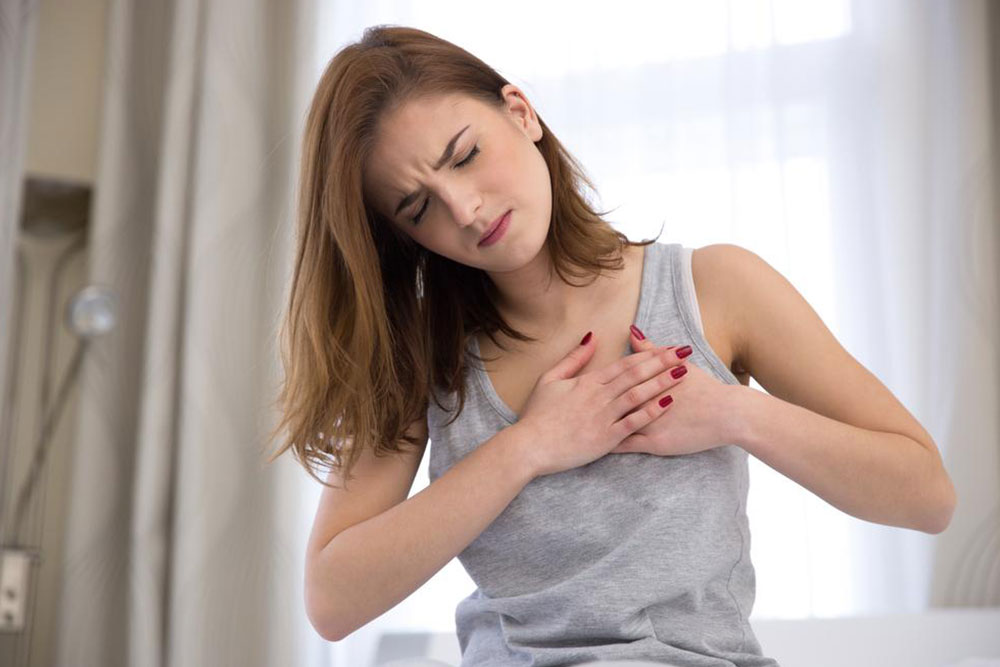
Causes and Relief Strategies for Breast Pain
Breast pain, often involving tenderness or soreness, is a common issue affecting many women. It usually does not signal serious illnesses like cancer. Hormonal changes are a predominant factor, and the discomfort can occur in one or both breasts. Symptoms vary in intensity based on the underlying cause.
Breast pain is categorized into cyclic and noncyclic types.
Cyclic pain tends to follow the menstrual cycle, often appearing a week before periods and affecting both breasts and sometimes the underarm area, primarily in women aged 20 to 40. Symptoms usually subside after menstruation.
Noncyclic pain is more common in older women and is unrelated to cycles, often manifesting as burning or aching sensations. Causes may include previous injuries or muscle strain.
If pain persists beyond a few days or worsens, seek medical advice to identify the cause. Here are some helpful tips for relief:
Avoid foods and drinks high in caffeine, like chocolate, tea, coffee, and sodas.
Cut down on salt to reduce swelling and discomfort.
Practice relaxation methods such as yoga and meditation to reduce stress.
Maintain a stable weight; both overweight and underweight conditions can increase pain.
Wear well-fitted bras; avoid underwire styles, and choose supportive sports bras when active.
Use cold packs to soothe burning sensations or warm compresses to improve circulation.
Always consult a healthcare provider before trying self-treatment. Persistent pain or trauma-related symptoms warrant medical tests to find the cause.