Strategies for Detecting and Managing Cervical Lymph Node Swelling
This article explores methods to identify and manage swollen lymph nodes in the neck. It covers diagnostic techniques such as physical exams, blood tests, imaging, and biopsies. Treatment options include antibiotics, immune therapies, and, if necessary, surgical interventions for cancer. Recognizing symptoms early and seeking medical advice are crucial for effective management and avoiding serious complications.
Cervical Swelling: Recognizing and Addressing Enlarged Lymph Nodes
Enlarged lymph nodes in the neck, often caused by infections, are common and usually indicate an immune response. These swellings, known as lymphadenitis, can also be linked to rare cases of cancer. Lymph nodes are essential in defending the body by filtering out harmful agents like bacteria and viruses. Swelling can occur not only in the neck but also under the chin, in the groin, or beneath the arms.
Effective evaluation and treatment of neck lymph node swelling involve several steps:
Assessment
Healthcare professionals perform detailed evaluations to determine the cause of swelling, considering symptom onset and severity. Diagnostic procedures include:
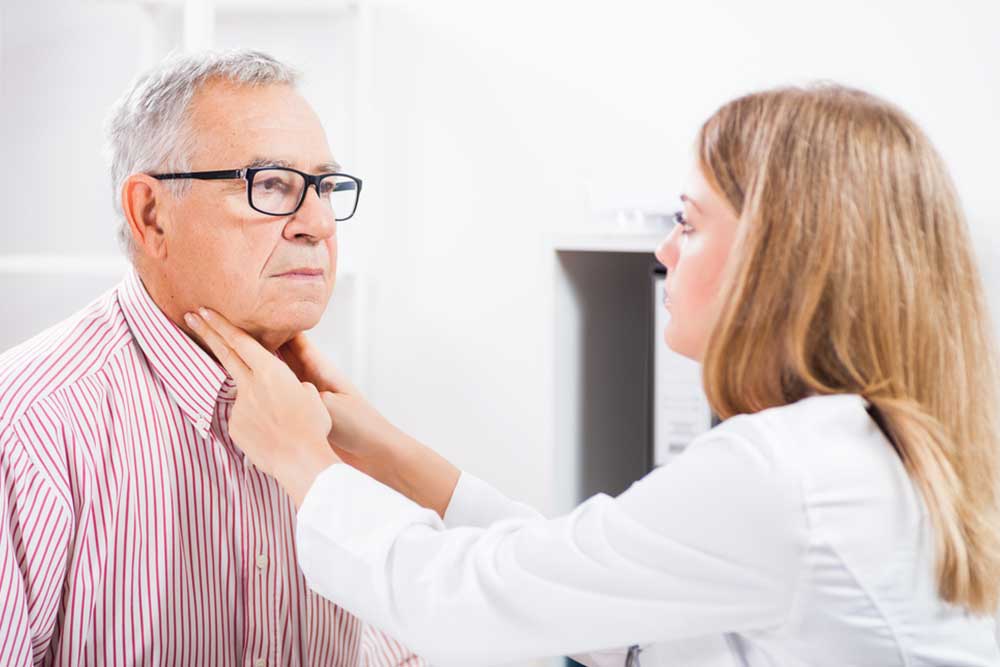
Physical examination to check for tenderness, size, warmth, and texture
Blood tests to identify infections or other abnormalities
Imaging techniques such as ultrasounds or CT scans to locate sources
Lymph node biopsy for tissue analysis and definitive diagnosis
Management
Treatment varies based on the underlying issue:
Antibiotics for bacterial infections
Specific therapies for immune-related conditions
Surgical removal, chemotherapy, or radiation if cancer is involved
In some cases, swelling diminishes naturally or with simple remedies like warm compresses. Consultation with a healthcare provider is vital to ensure proper care and avoid potential complications, especially with compromised immunity.
Note:
This content provides general information and is not a substitute for medical advice. For accurate diagnosis and personalized treatment, consult a healthcare professional. Always seek expert evaluation for health concerns.