Transforming TV Schedules and Streaming Trends in Modern Media
This article explores the evolution of television scheduling from traditional guides to modern streaming platforms. It discusses scheduling techniques, time segments, and how streaming services like Netflix and Disney Plus have transformed media consumption. Despite the rise of on-demand content, live TV remains vital for specific events and advertising. The shift emphasizes personalized viewing experiences, highlighting the ongoing influence of these trends on the television industry.
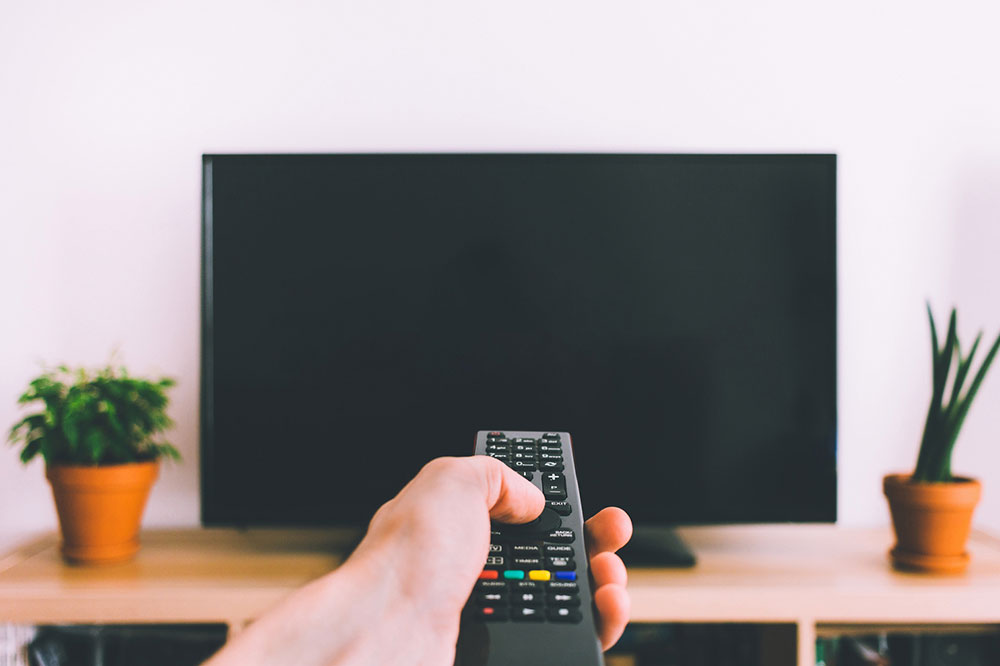
Changes in TV Programming and the Rise of Digital Streaming Platforms
TV programming guides, both printed and digital, direct viewers to upcoming shows, indicating channels and broadcast times across various delivery methods like terrestrial, cable, satellite, and internet streaming. These schedules have been essential since the early days of television, helping viewers plan their viewing routines.
Evolution of Viewership Habits
Initially, TV was watched according to fixed schedules. The advent of VCRs in the 1980s shifted this, allowing recordings and on-demand viewing. Today, streaming services enable instant access to content, though broadcasters still strategize their schedules based on audience patterns and peak periods.
Broadcasters use various techniques to boost engagement:
Trailers and previews create excitement before new episodes.
Counterprogramming schedule different genres simultaneously to avoid direct competition.
Pre-echoing promote upcoming content ahead of prime shows.
Hammocking place new programs between popular ones to attract viewers.
Follow-up programming airs similar content after hit shows to retain audiences.
Rapid transitions switch quickly between shows to reduce channel switching.
Consistent scheduling for specific shows at fixed times, often daily, based on audience demographics.
TV programming is segmented into parts:Early morning (6 am - 9 am): News, interviews, lifestyle shows.
Daytime (9 am - 4 pm): Talk shows, reruns, children’s programs.
Early evening (4 pm - 7 pm): Kids' shows, soap operas, cooking programs.
Prime time (7 pm - 11 pm): Popular dramas, sitcoms, sports, news for viewers aged 18-49.
Late night (11 pm - 6 am): Adult content, talk shows, movies, sometimes edgier material.
Despite streaming giants like Netflix and Disney Plus gaining popularity, traditional live TV remains essential for live events and targeted advertising during prime hours. These platforms have changed content consumption but haven't replaced scheduled programming entirely.Top Streaming Platforms Today
Streaming services have transformed viewing habits, offering on-demand content accessible from multiple devices. Notable services include:
Netflix: Extensive library of original series, films, documentaries, including international and gaming-related content.
Disney Plus: Wide selection of Disney, Pixar, Marvel, Star Wars, and National Geographic programming at affordable prices.
Hulu: Provides recent episodes from ABC, Fox, CBS shortly after broadcast, along with exclusive originals.
HBO Max: Offers premium movies, series, DC properties, Studio Ghibli animations, and Warner Bros. releases, with customizable profiles.
In summary
Modern streaming services empower viewers to choose, pay for, and enjoy content on their terms, significantly impacting global media consumption behaviors.