Ectopic Pregnancy: Key Symptoms, Causes, and Risk Factors
Ectopic pregnancy occurs when a fertilized egg implants outside the uterus, usually in the fallopian tubes. Recognizing early symptoms like missed periods, pelvic pain, or bleeding is essential. Risk factors include previous ectopic pregnancies, infections, and specific contraceptive methods. Prompt diagnosis and treatment are crucial to prevent serious complications and preserve health.
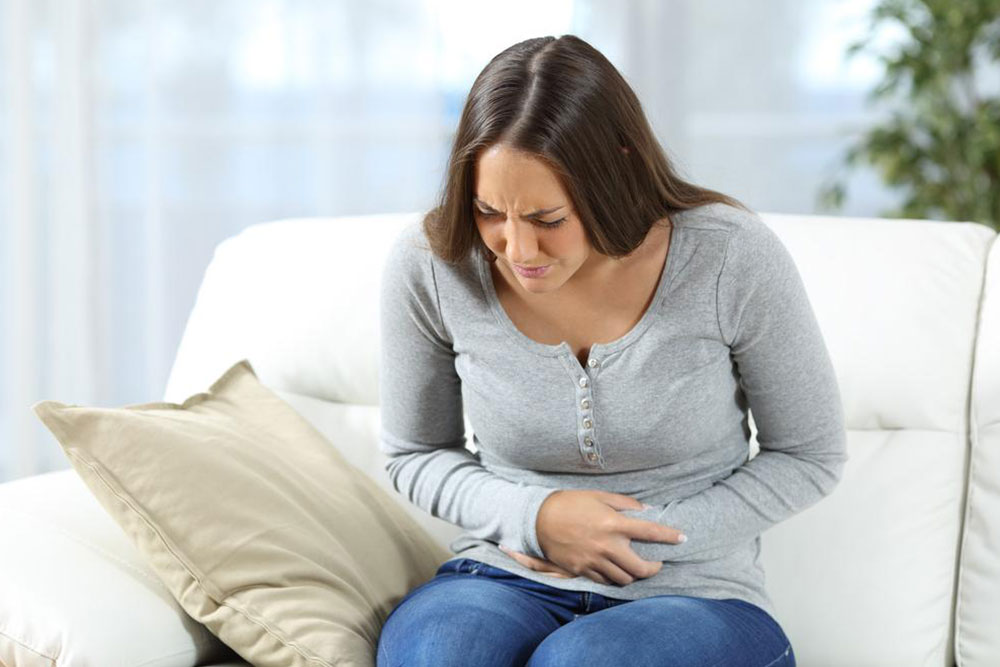
Understanding Ectopic Pregnancy: Common Signs, Causes, and Risks
An ectopic pregnancy happens when a fertilized egg attaches outside the uterus, preventing the pregnancy from progressing normally or the retrieval of the egg. Approximately 2% of pregnancies are ectopic, requiring prompt medical intervention to avoid severe complications.
Early indications resemble typical pregnancy symptoms, such as
• Missed periods
• Tender breasts
• Fatigue
• Nausea
• Frequent urination
Early warning signs include:
• Vaginal bleeding
• Pelvic or abdominal discomfort occurring 6-8 weeks after a missed period.
As the condition progresses, additional symptoms may be observed;
• Shock indicators—dizziness, fainting, rapid heartbeat, and high blood pressure, necessitating immediate medical treatment.
• Persistent pelvic or abdominal pain that worsens or spreads.
• Heavy, possibly severe bleeding.
• Discomfort during intercourse.
• Symptoms of internal bleeding such as weakness, faintness, or drowsiness.
• Shoulder pain caused by internal bleeding irritating the diaphragm.
It's important to note that ectopic pregnancy symptoms can resemble those of miscarriage.
How does an ectopic pregnancy develop?
Normally, after fertilization, the egg moves through the fallopian tube to reach the uterus. If the tube is damaged or blocked, the egg may implant outside the uterus, often in the tube itself, or less frequently in the ovaries, cervix, abdominal cavity, or scar tissue.
Risk factors associated with ectopic pregnancy
• History of ectopic pregnancy increases the likelihood of recurrence.
• Sexually transmitted infections like gonorrhea or chlamydia that cause fallopian tube inflammation.
• Use of fertility treatments can heighten risk.
• Structural damage or blockage in the fallopian tubes from previous surgeries.
• Certain birth control methods, such as intrauterine devices or tubal sterilization, may increase the risk.