Strategies for Managing Chronic Postherpetic Neuralgia
This article explores effective management strategies for postherpetic neuralgia, including medication options, self-care tips, and complementary therapies. It highlights the importance of personalized treatment plans to reduce pain and improve quality of life for affected individuals, especially seniors. Practical advice on preventive care and holistic approaches such as acupuncture and mindfulness techniques are also discussed, offering comprehensive options for symptom relief.
Effective Management of Postherpetic Neuralgia
Postherpetic neuralgia is a painful nerve disorder resulting from shingles caused by the varicella-zoster virus. After shingles lesions heal, nerve damage can cause persistent burning sensations and increased skin sensitivity, often lasting for months or even over a year.
People aged 60 and above are especially susceptible to this condition.
Approaches to Treating Postherpetic Neuralgia
Although there is no cure, symptom management often involves combining various therapies to ease discomfort.
Medication Options
While medications may not fully eliminate pain, they can help lessen its severity. Initial options might include over-the-counter medications like acetaminophen or combining acetaminophen with codeine, though these may be insufficient. Commonly prescribed treatments include:
Antidepressants such as duloxetine and amitriptyline, which alter brain chemicals involved in pain perception. These are typically started at low doses to minimize side effects like drowsiness, dry mouth, or weight gain.
Anti-seizure medications such as pregabalin and gabapentin can reduce nerve hyperactivity resulting from nerve damage. Possible side effects include swelling and cognitive fog.
opioids like tramadol or morphine are reserved for severe cases when other treatments fail. Use must be carefully supervised due to potential psychological and emotional risks.
Lidocaine patches provide localized pain relief by numbing affected skin areas temporarily.
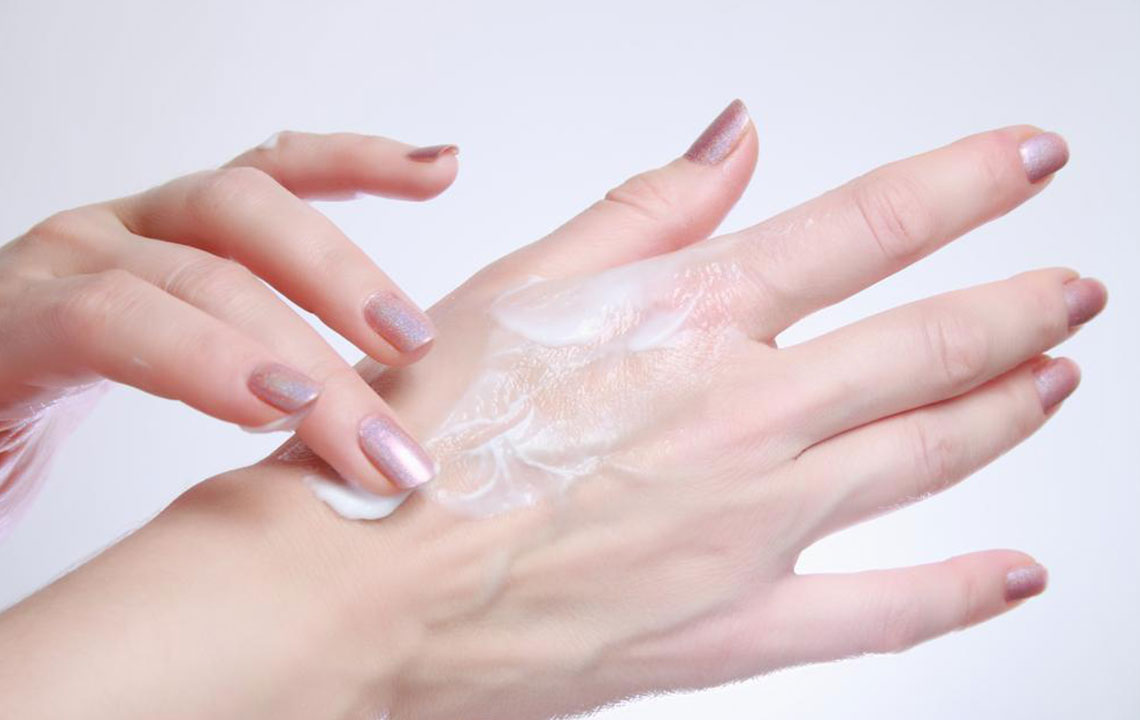
Capsaicin cream, derived from chili peppers, works by blocking pain signals after an initial burning sensation, gradually reducing discomfort.
Preventive and Self-Care Measures To manage symptoms better, consider these tips:
Protect sensitive skin regions with dressings or coverings to prevent flare-ups.
Wear soft, breathable fabrics like cotton or silk, and steer clear of tight clothing that may irritate the skin.
Apply cold packs carefully to numb pain—test on small areas first to evaluate response before applying broadly.
Physical and Alternative Therapies
Engaging in active treatments can also provide relief:
Light exercises such as yoga or tai chi can strengthen muscles, reduce stress, and diminish pain perception. Guidance from trainers or therapists may be beneficial.
Acupuncture may help by restoring energy flow and alleviating pain, offering a holistic approach without significant side effects.
Techniques like mindfulness, deep breathing, and meditation have also shown promise in effectively managing postherpetic neuralgia symptoms.