Top Strategies to Avoid Nail Fungal Infections
This article provides essential tips for avoiding common nail fungal infections, emphasizing hygiene, early detection, and when to seek medical treatment. Understanding the types of infections helps in effective prevention and management.
Top Strategies to Avoid Nail Fungal Infections
Preventing Fungal Nail Conditions
Fungal infections of the nails are often caused by inadequate hygiene and exposure to damp environments. Keeping your hands and feet clean, along with maintaining a tidy environment, is key to prevention. There are four primary types of nail fungal infections, mainly caused by dermatophyte fungi. Here's an overview of the most common nail infections to watch for.
Distal subungual onychomycosis (DSO)
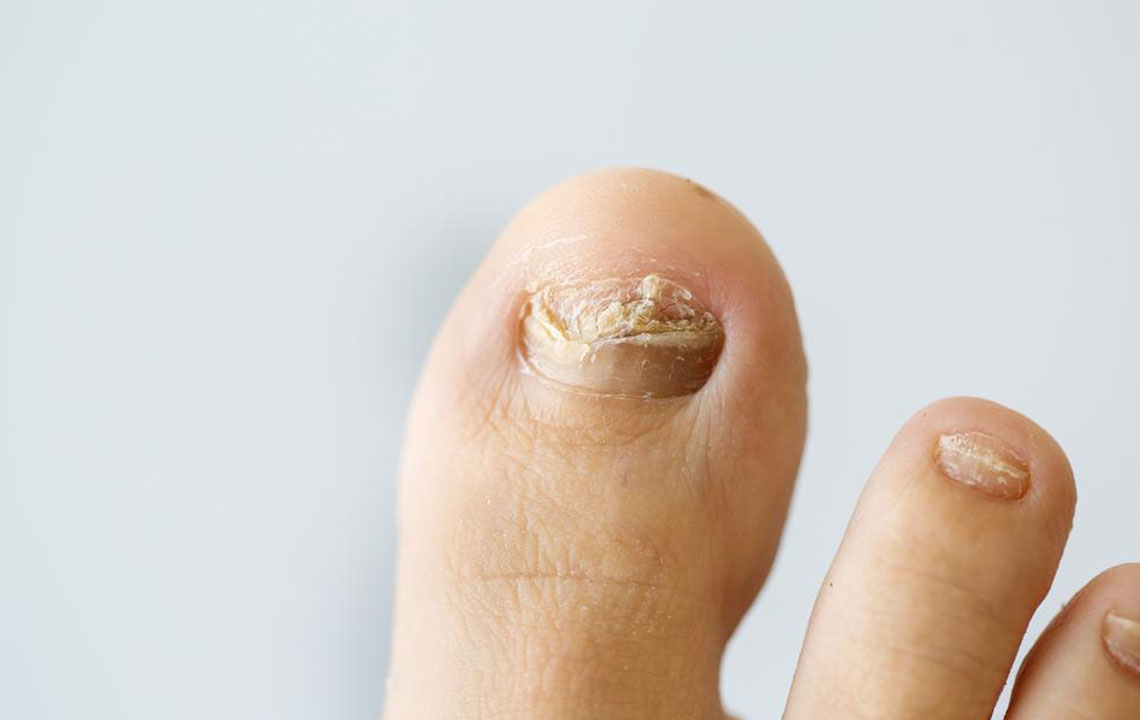
This is the most common form, starting with fungal growth beneath the nail (nail bed) and spreading upward, causing discoloration, usually white or yellow.
As DSO advances, nails may become fragile, crumble, or crack. Treating this condition often requires persistent management over time.
Candida onychomycosis
This yeast-related infection is less common but tends to affect fingernails more frequently than toenails. It can cause the nail to separate from the nail bed, with inflamed, red, tender skin often accompanying pain.
White superficial onychomycosis (WSO)
This fungal type affects the surface of the nail, forming white spots that develop into a powdery, flaky coating, which is typically easier to treat.
Proximal subungual onychomycosis (PSO)
Usually seen in immunocompromised individuals like those with HIV, this infection targets the nail fold, causing thickening and detachment of the nail. The nail appears opaque and white, and surrounding skin on the foot may also be involved.
In Summary
Good personal hygiene and routine nail care are essential to prevent these infections. If symptoms persist, seek medical advice promptly.